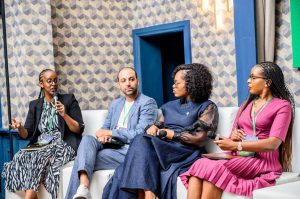
Kigali AI Hackathon Challenges Young Africans to Build Solutions for the Continent
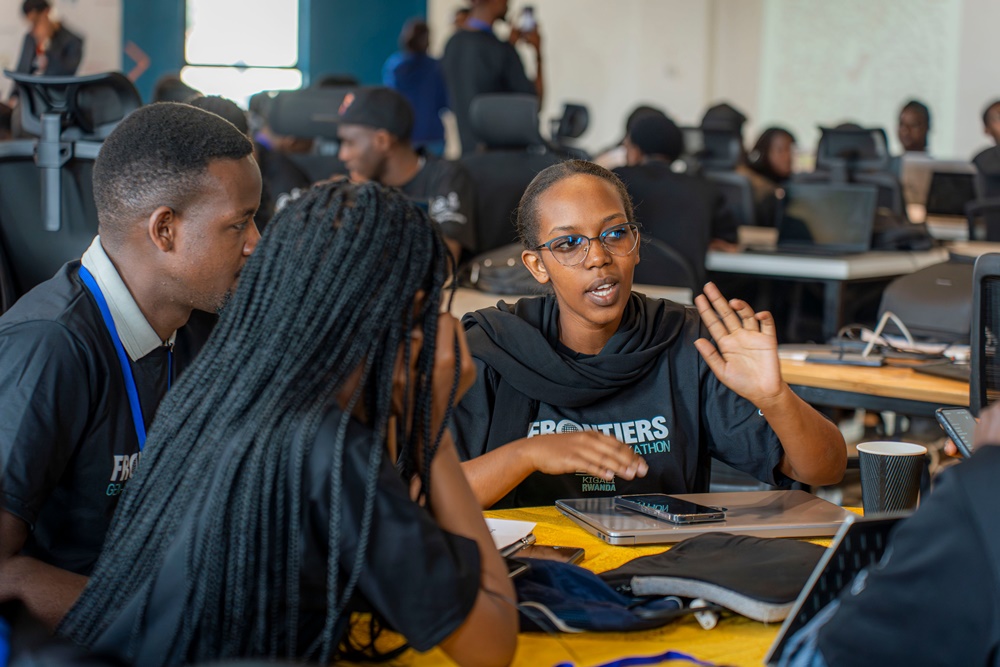
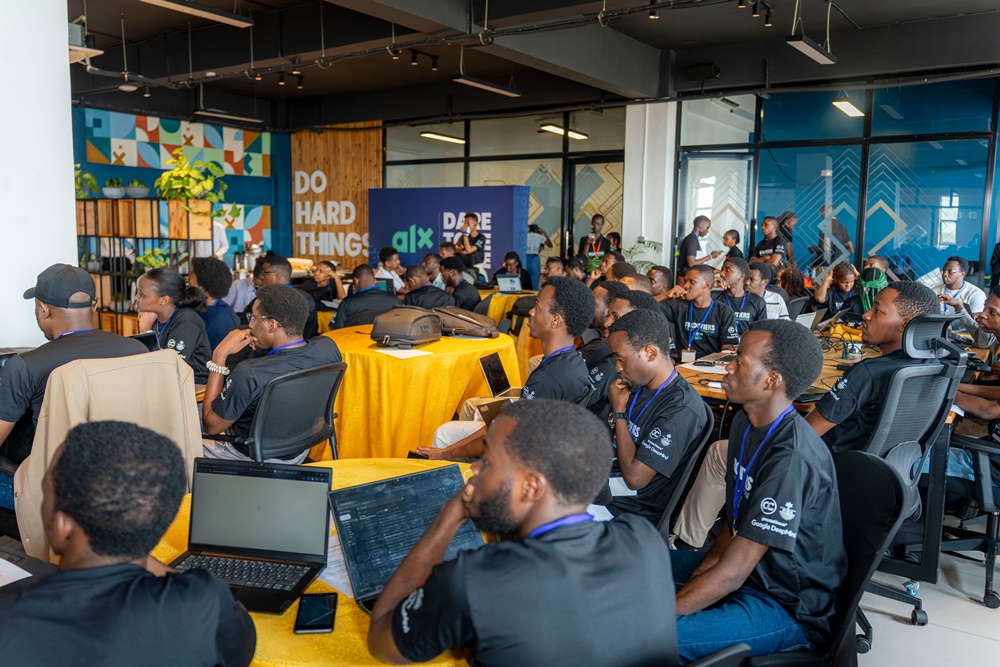
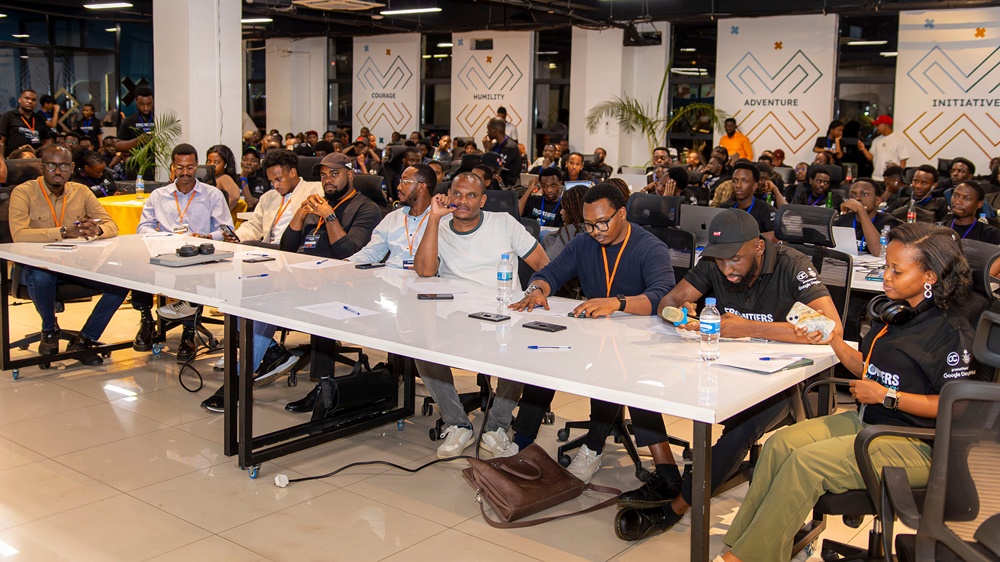
More than 200 of Africa’s brightest young programmers gathered in Kigali on Tuesday for the Pan-African Informatics Olympiad (PAIO) 2026 Generative AI Hackathon, an event organizers say is designed to help Africa produce the next generation of artificial intelligence innovators rather than simply consumers of AI technology.
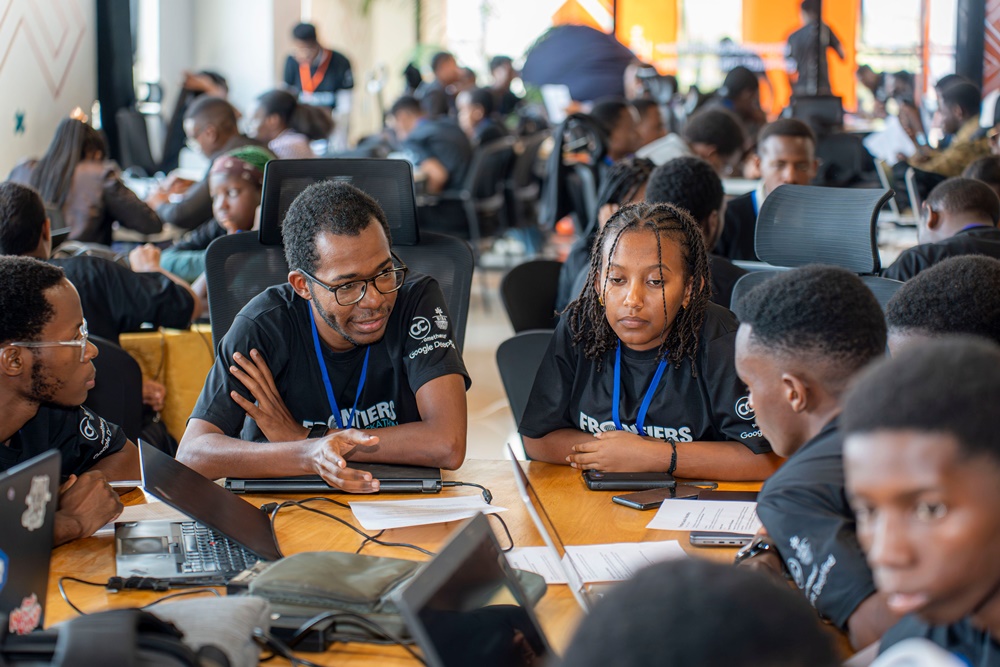
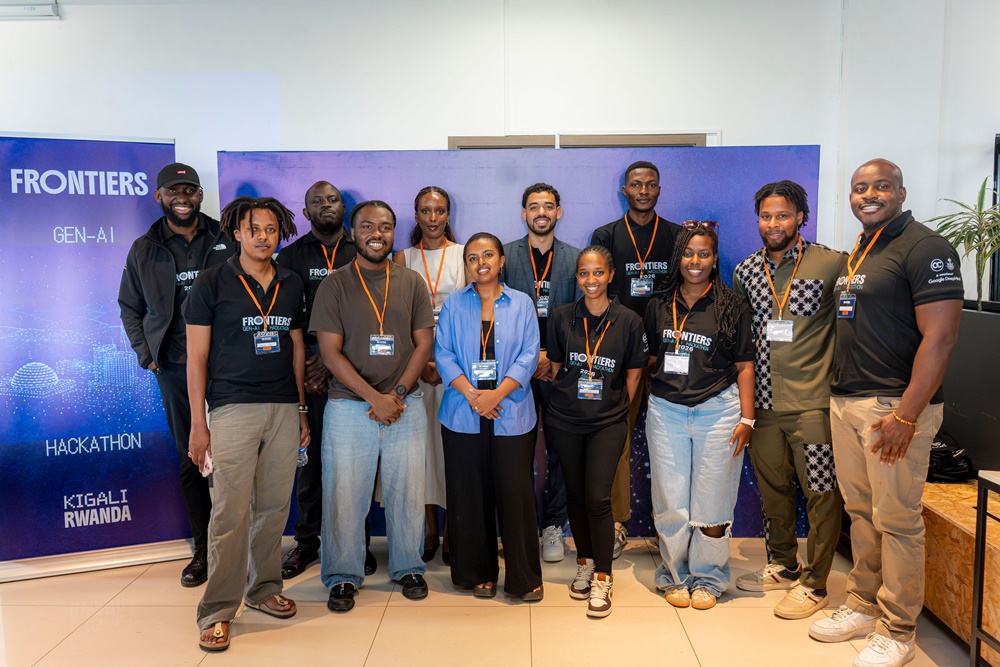
Held alongside the Pan-African Informatics Olympiad (PAIO) 2026, the hackathon brought together secondary school contestants and university students from across Africa, including Rwanda, to spend 12 hours designing AI-powered solutions to real-world challenges using Google’s latest generative AI tools.
Organized through a collaboration involving the African Olympiad Academy (AOA), the Rwanda Olympiad Foundation, Google DeepMind and Rwanda’s Ministry of ICT and Innovation, the event attracted participants from 14 African countries and challenged them to transform ideas into working prototypes within a single day.
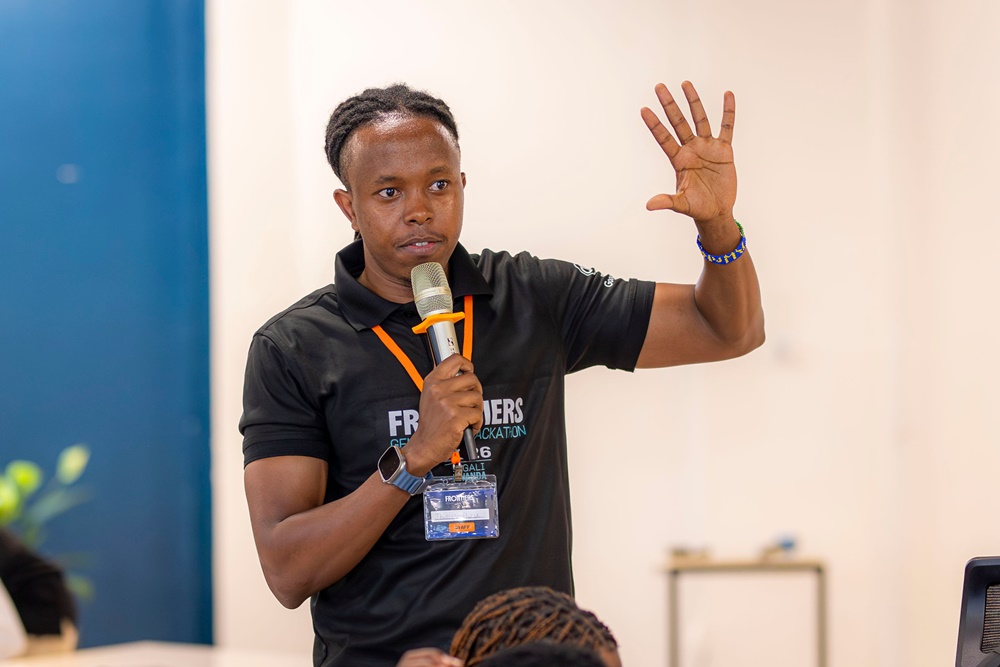
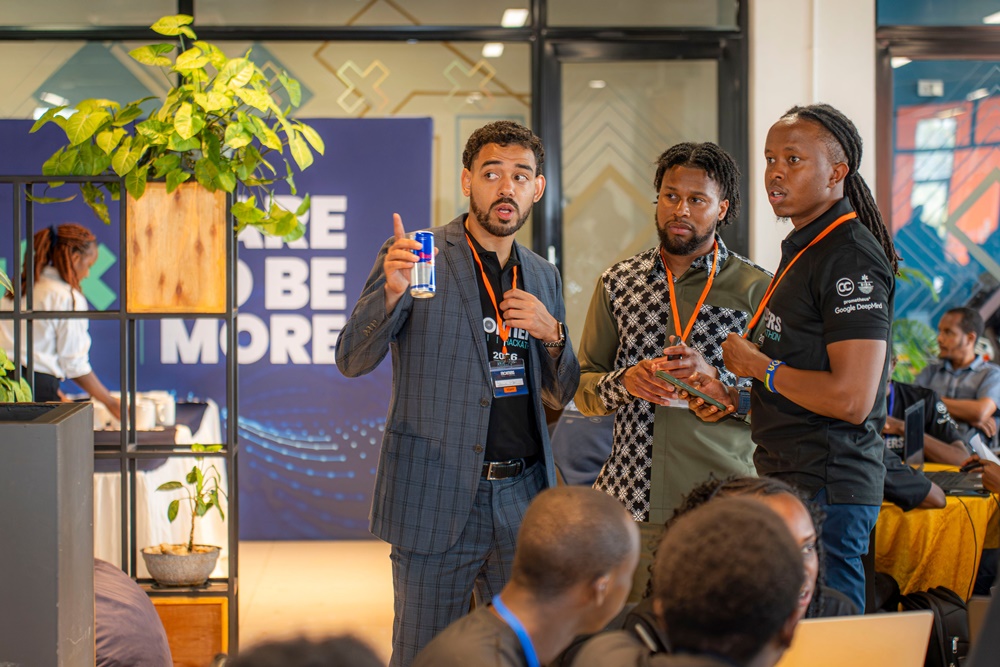
For Thierry Uwase, one of the organizers, the hackathon is about creating opportunities for talented young Africans who often lack access to the global technology ecosystem.
“Talent is universal, but opportunity is not,” Uwase said.
Having studied at Stanford University and currently attending Harvard Business School, Uwase said Rwanda has many students whose abilities rival those of young innovators in leading global technology hubs.
“We know students in Rwanda who are incredibly talented. What they need is access. We want to showcase that talent to the world and demonstrate that Rwanda and Africa are serious about building AI solutions that can transform lives,” he said.
Uwase said the initiative also seeks to convince international investors and technology companies that Africa is capable of developing world-class innovation.
He argued that while Africa supplies many of the minerals powering today’s digital economy, the continent should also become a center for designing chips, building software, developing AI systems and hosting data centers.
“I think this is probably the most important era for Africa. The question is whether we watch others build the future or whether we build it ourselves,” ” he said.
The organizers said nearly 500 students applied to participate, but only 200 were selected after a competitive screening process.
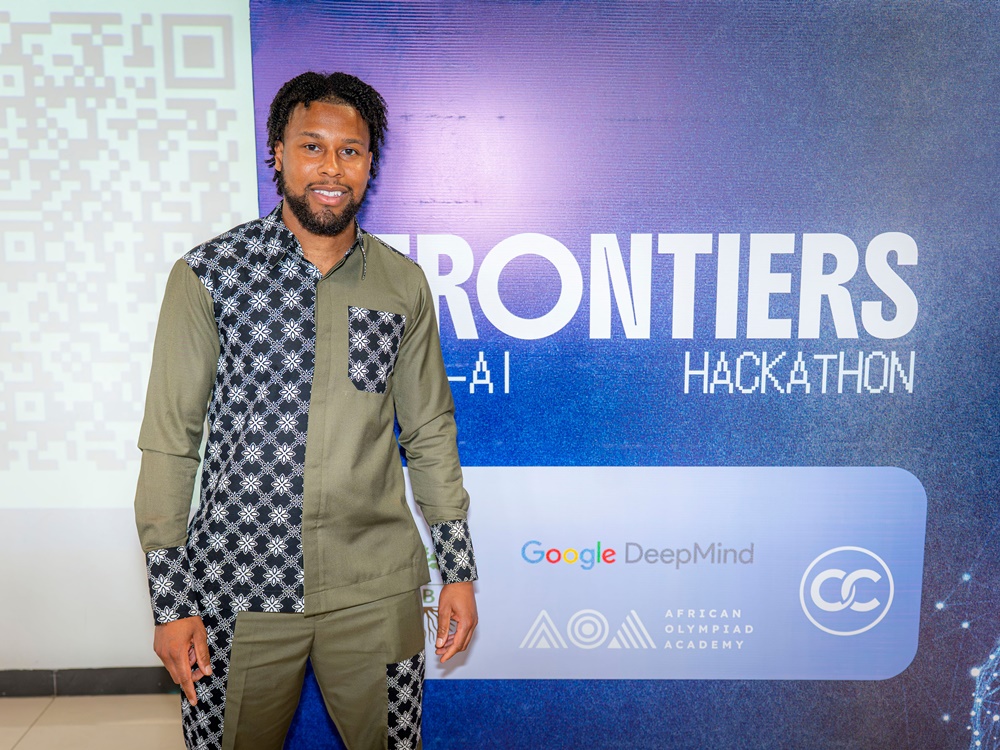
Jadal Williams, another organizer, said the hackathon aims to provide young African innovators with access to advanced AI models that are often unavailable to students on the continent.
“Our goal is to give unprecedented access to Google’s strongest AI models here on the continent, where you have some of the brightest minds but often limited access to these technologies,” Williams said.
He said a similar event was previously organized in Boston and expressed hope that the Rwanda edition would become part of a broader global initiative to expand access to frontier AI tools.
For the African Olympiad Academy, which co-hosted PAIO 2026, the hackathon represents a shift from teaching students how to use AI applications toward preparing them to build the next generation of AI systems.
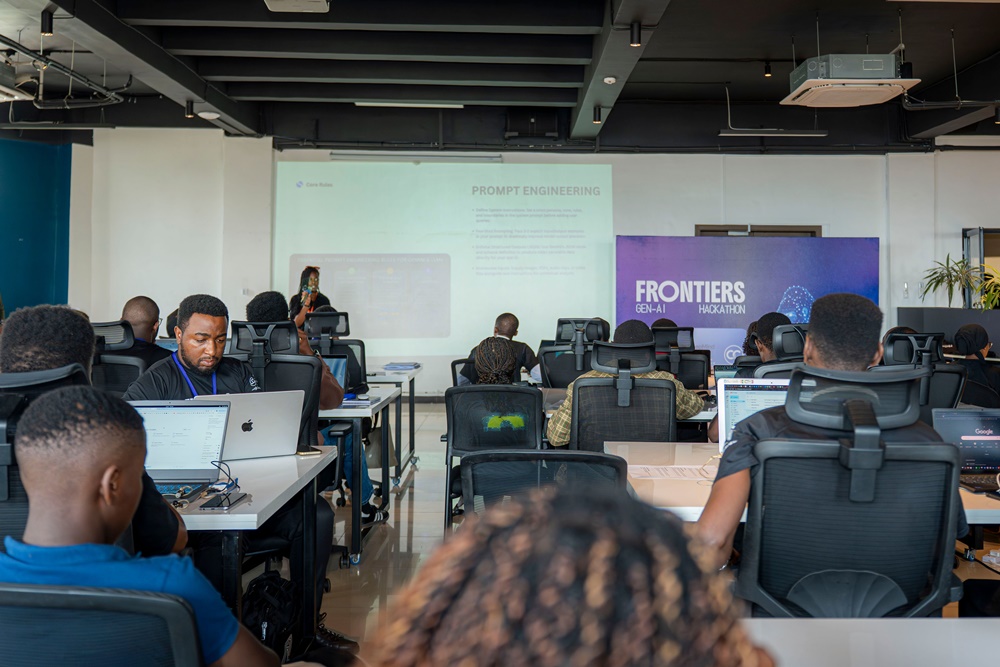
Gaidi Faraj, Head of School and co-founder of the African Olympiad Academy, said this year’s PAIO marked several milestones.
“This is the first time the Pan-African Informatics Olympiad has been held in person in Africa,” he said.
The competition brought together participants from 24 African countries, with 14 countries competing in Kigali while 10 joined virtually.
Faraj said the hackathon paired about 60 high school Olympiad participants with nearly 200 Rwandan university students studying computer science and related disciplines.
“What we’re talking about is how we train the next generation that’s actually going to create AI tools. Instead of being consumers, we want to be creators,” Faraj said.
He emphasized that developing globally competitive AI talent requires identifying exceptionally gifted students early and strengthening their foundations in mathematics and computer science.
“We want the next ChatGPT or another major AI tool to be created by Africans, with African context and for African use,” he said.
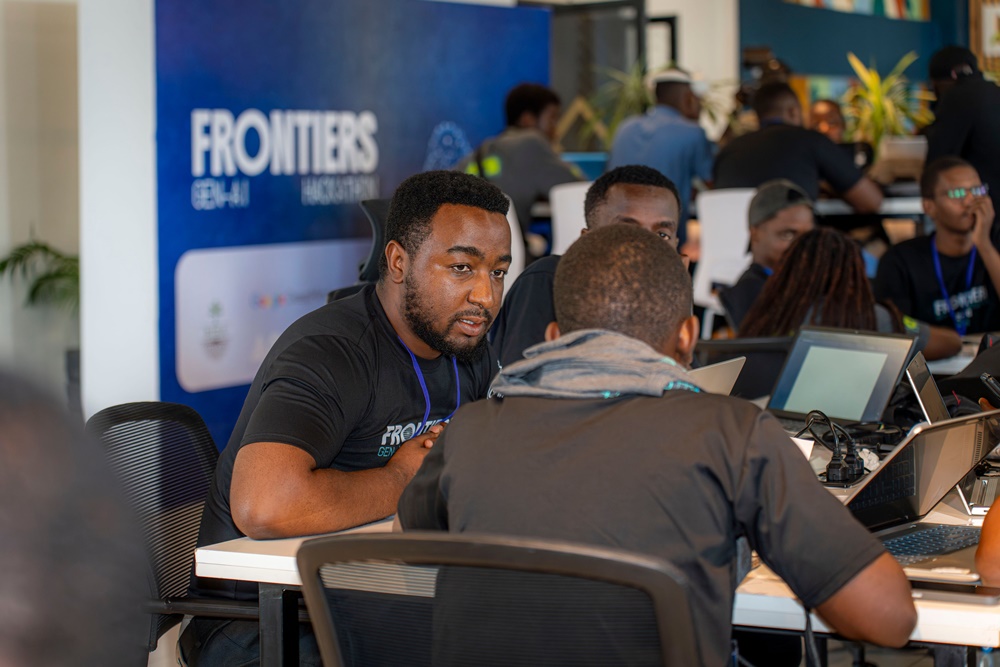
Among the participants was Adrien Niyodusaba, a Rwandan master’s student in Computer Science at the Georgia Institute of Technology, whose team developed an AI-powered platform called Power Pulse to help people better prepare for electricity outages.
The application combines official electricity outage information with historical data and artificial intelligence to advise users on likely outage durations and appropriate actions.
Niyodusaba said AI has fundamentally changed software development by reducing the time spent writing code and allowing developers to focus more on solving problems.
“Everyone is going to be able to write code. Figuring out what needs to be built is going to become the valuable skill,” he said.
He encouraged young Africans to learn how to work effectively with AI tools while focusing on identifying practical challenges within their own communities.
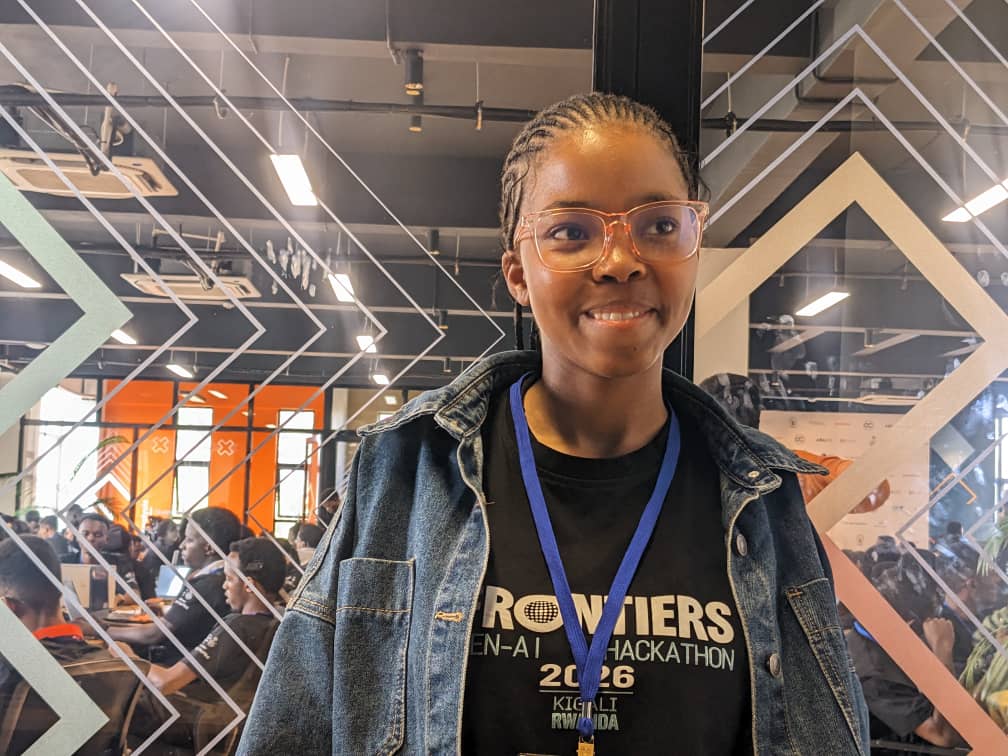
Another participant, Moretto Rapitso from Lesotho International School, said his team’s project focused on improving agriculture, a sector that remains central to many African economies.
“We should stop relying on others to solve our problems. Generative AI has shown us that we can create our own solutions,” Rapitso said.
She added that young Africans need strong problem-solving skills and teamwork to develop technologies capable of addressing the continent’s most pressing challenges.
Beyond the competition itself, organizers said they hope the hackathon will become part of a broader innovation ecosystem that connects talented students with universities, investors, technology companies and entrepreneurship opportunities.
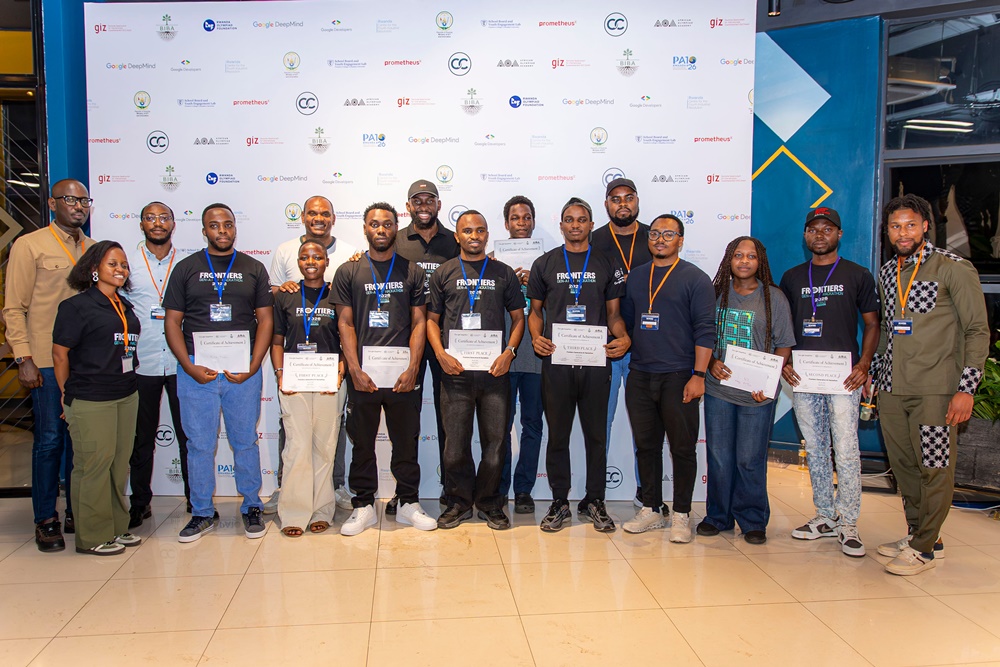
The hackathon concluded with the announcement of the winning teams. Ctrl + Alt + Generate claimed first place, with team members Cyuzuzo Pacifique, Miracle Nanen Mbanaade, Ntwali Rwilima Eloi Miguel, Jed Oloo and Oda Kalene Tuyishime. Loss Function Junction secured second place, represented by Evode Muyisingizemwese, Chaste Ganza, Ash Diop, Brian Muhizi and Michael Quaicoe. Third place went to Temperature 2.0, whose members were Thabolezwe Mabandla, Saddy Nkurunziza and Lightness Pigiliano.
Winning teams received prizes of $3,000, $2,000 and $1,000, while organizers said discussions are already underway with leading AI companies and technology partners to expand future editions and provide participants with continued access to cutting-edge AI tools.
Next year’s Pan-African Informatics Olympiad will be held in Nairobi, Kenya, but organizers said Rwanda will remain actively involved by sending students to compete while continuing to build its own AI talent ecosystem through national competitions, training camps and future hackathons.
About The Author


SUBSCRIBE TO OUR NEWSLETTER