China’s Zero-Tariff Policy Delivers Early Gains for African Exporters
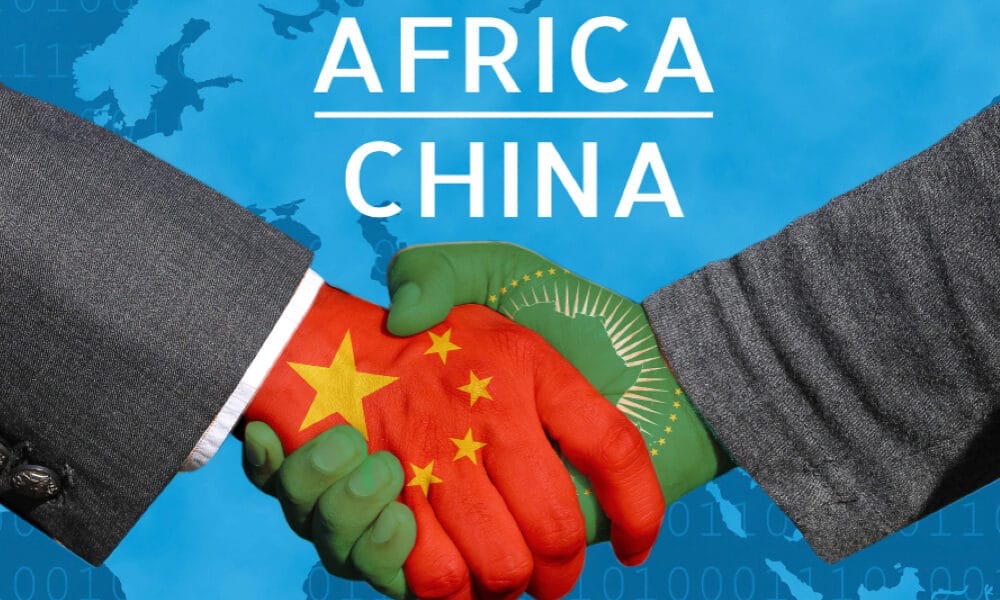
China’s Zero-Tariff Policy Delivers Early Gains for African Exporters
Nairobi / Beijing – August 15, 2026-Three and a half months after China fully implemented zero-tariff treatment for imports from 53 African countries, African exporters are reporting stronger sales, new market access, and early steps toward higher-value processing, according to customs data and industry accounts.
On May 1, 2026, Beijing removed all tariffs on products from the 53 African nations with which it maintains diplomatic relations. The measure expanded earlier preferential treatment that had applied mainly to least-developed countries. Eswatini, which recognizes Taiwan, was excluded.
Chinese customs figures show the policy’s immediate impact. In May and June alone, China’s imports from Africa reached 193.8 billion yuan (approximately $28.7 billion), a 23.5 percent year-on-year increase. Fresh produce led the surge: avocado imports rose 130 percent, apples 89.6 percent, and oranges 27.9 percent.
The first shipment under the new rules—24 tonnes of South African apples—cleared customs at Shenzhen Bay Port just after midnight on May 1. Since then, Kenyan avocados and avocado oil, South African wine, Zimbabwean blueberries, Rwandan dried and pickled chili, and Ethiopian roasted coffee have appeared more frequently on Chinese supermarket shelves and in processing plants.
In Kenya’s Athi River Export Processing Zone, a Chinese-invested avocado oil facility is running continuous production lines to meet rising demand. Industry managers there and in Rwanda report new inquiries from Chinese buyers and a shift from raw commodity shipments toward semi-processed goods. Zimbabwean officials described the country’s first blueberry consignment to China in July as a milestone for its horticulture sector.
Bilateral trade overall strengthened in the first half of 2026, reaching 1.41 trillion yuan (about $209 billion). China’s exports of electromechanical and capital goods to Africa also rose sharply, supporting African infrastructure and manufacturing needs.
Beijing has framed the zero-tariff policy as a response to global protectionism and a concrete step in South-South cooperation. Chinese officials emphasize that the vast domestic market can absorb more African products while helping partner countries move up value chains. African Union Chairperson and Burundian President Évariste Ndayishimiye has called the arrangement a model of mutual benefit that can raise incomes, create jobs, and keep more processing on the continent.
The policy is also accelerating the use of the Chinese yuan in bilateral settlements. African banks have linked to China’s Cross-Border Interbank Payment System, and some governments have converted portions of Chinese loans into yuan to lower interest costs.
Analysts note that lasting success will depend on whether African producers can meet Chinese quality, packaging, and certification standards and whether Chinese investment continues to support local processing capacity. Early evidence suggests the tariff removal has already lowered a major barrier and opened new commercial pathways.
As the second half of 2026 unfolds, exporters across East and Southern Africa are expanding production and exploring further product lines, betting that predictable, duty-free access to the world’s second-largest consumer market will remain a durable advantage.
About The Author


SUBSCRIBE TO OUR NEWSLETTER