American Investor Jonathan Shafer Pioneers Multi-Million Dollar Green Energy and Sustainable Housing Projects in Rwanda

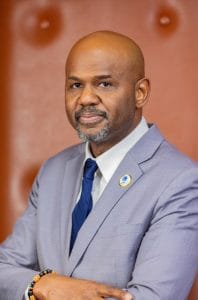
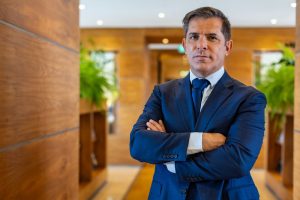
Kigali, Rwanda – Jonathan Shafer, the American founder and CEO of Fortis Green, is at the forefront of Rwanda’s accelerated development, investing deeply in multi-million dollar projects that blend renewable energy infrastructure with sustainable real estate. After six years of calling Kigali home, Shafer, who is the Managing Director of Fortis Green Holdings, views Rwanda as a stable, growing economy and an ideal base for attracting American capital to the African continent.
Fortis Green’s overarching mission is to channel investment into projects that not only generate profit for investors but also “make a meaningful difference in people’s lives” and promote human flourishing. Shafer emphasized that his goal is to establish Fortis Green as a trusted and safe pathway for American investors to put capital to work in Africa.
Redefining Modern Living with Masaka Views
Fortis Green recently celebrated the groundbreaking of the Masaka Views Eco Estate, a $25 million development in Kigali. Shafer considers this event, which took place in late October, a culmination of significant effort by his entire team.

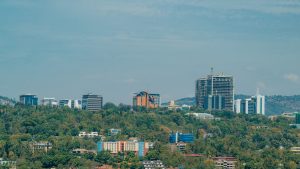
Masaka Views is being built on seven hectares in the rapidly developing Masaka region, which is seeing growth due to new infrastructure like the Medical City, the new hospital, and the Giporoso-Masaka Highway.
Key features of the estate include:
- Inclusive Housing: The project aims to satisfy the significant need for incremental housing units in Kigali, where between 20,000 and 30,000 units are required annually.
- Affordability: The development includes select eco homes priced from $120,000 to $135,000 USD for middle-income buyers.
- Structure: The estate features 33 townhouses and 51 single-family homes for sale. It also incorporates approximately 300 apartment units across three phases, built on a long-term “build to rent” model where Fortis Green maintains ownership to influence the community and future value creation. These apartments will offer various options: unfurnished, furnished, and fully serviced.
- Sustainability: The project emphasizes affordability and sustainability. The apartments and houses will be Edge certified, a global certification administered by the IFC (International Finance Corporation, part of the World Bank). This certification ensures savings in electricity, water, and carbon through features like water storage/reclamation, solar water heaters, and sufficient windows/lighting.
- Community and Wellness: Schaer stressed the importance of creating a thriving environment for the roughly 400 families expected to reside there. Wellness efforts include plans for a public community garden, yoga/exercise classes on site, and providing space for external social workers.
The first homes are expected to be ready for move-in during the first quarter of 2026, with the first apartments following in about 9 to 12 months.
Powering the Continent: Green Energy Investments
Fortis Green’s investments also target the immense energy gap on the continent, motivated by the fact that 650 million Africans currently lack access to electricity. Shafer noted that more than 80% of humans left in the world without energy access are in Africa.
In Rwanda, Fortis Green owns three power plants:
- Agahozo Shalom Solar Farm: An 8.5 megawatt solar power plant, one of the largest grid-scale solar farms in East Africa. The land is leased from the Agahozo Shalom Youth Village, which houses severely at-risk youth and orphans from the genocide, allowing rent payments to support the school’s operations.
- Rwaza Hydropower Plant: Located on the Mukungwa River near Musanze.
- A small piece of a project in Nyamasheke.
Shafer highlighted that Rwanda is an excellent environment for investment, citing its rule of law (recently ranked number one on the continent) and institutional stability, which provides “significant comfort in placing capital”. Fortis Green is focused on increasing the capacity of these assets to provide more power to Rwanda’s national grid.
Future Outlook and Societal Impact
Fortis Green is focused on accelerating its impact. The company’s housing division has a bold goal to build 10,000 units in 10 years in Kigali. Furthermore, on the energy side, Fortis Green is preparing to launch its second fund, the Green Fund Two, which targets approximately $100 million to increase electricity output in Rwanda and the broader region. Shafer expects to announce two or three more real estate projects of similar size next year.

The company directly employs about 40 people. Construction at the Masaka Views site alone will employ between 300 and 400 people daily. Shafer views his company’s role as supporting core infrastructure—energy and housing—which forms the foundation upon which the economy grows.
Reflecting on his move to Kigali, which was primarily a family decision, Schaer noted that the city has exceeded expectations and is the place they are “supposed to be”. Shafer, who played college basketball, is also heavily involved in the community, having started the Kigali Hoops League two and a half years ago, a league that now serves over 100 kids, teaching them about teamwork and leadership.
Shafer’s final message for those watching is one of commitment: “we are here to stay”.
About The Author


SUBSCRIBE TO OUR NEWSLETTER