Who Gets to Name Rwanda’s Baby Gorillas?
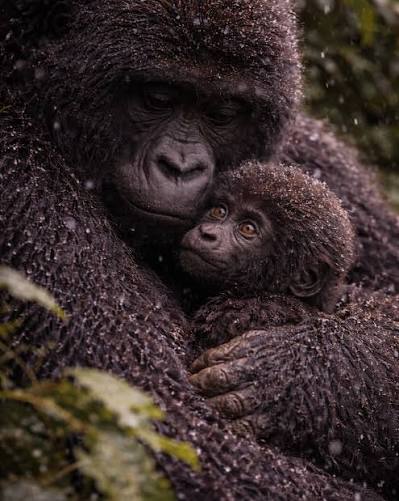
KINIGI, Rwanda — September 4, 2026 — From football legends and African music stars to conservationists and global tourism leaders, a diverse group of personalities gathered in Rwanda’s Volcanoes region on Friday 4th September, 2026 to take part in one of the country’s most distinctive conservation traditions: naming baby mountain gorillas.
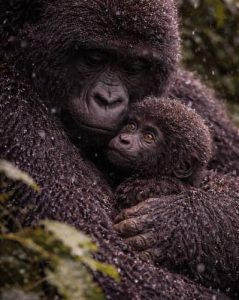
A total of 22 baby gorillas are being named during the 21st Kwita Izina ceremony in Kinigi, Musanze District, bringing the number of mountain gorillas named through the annual event to 460 since the ceremony became an official national celebration in 2005.
Held under the theme “Conservation is Life: Sustaining the Future,” this year’s ceremony brings together figures from sport, entertainment, business, tourism and conservation to celebrate Rwanda’s efforts to protect the critically important mountain gorilla population.
The ceremony draws its inspiration from a longstanding Rwandan tradition of naming a child in the presence of family and the wider community.
But the gorillas themselves remain in the forest.
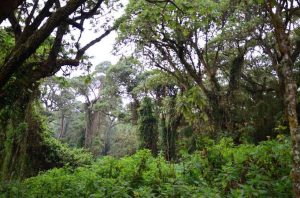
The names are announced symbolically on a ceremonial stage, while the real work of conservation continues in and around Volcanoes National Park, where rangers, trackers, local communities and conservation partners work to protect the animals and their habitat.
Who Gets to Name Rwanda’s Baby Gorillas?
The Rwanda Development Board released the list of 22 individuals selected to name this year’s baby gorillas.
The group reflects the increasingly international profile of Kwita Izina, while also highlighting the connection between conservation and Rwanda’s wider ambitions in tourism, sport, culture and economic development.
Football stars take centre stage
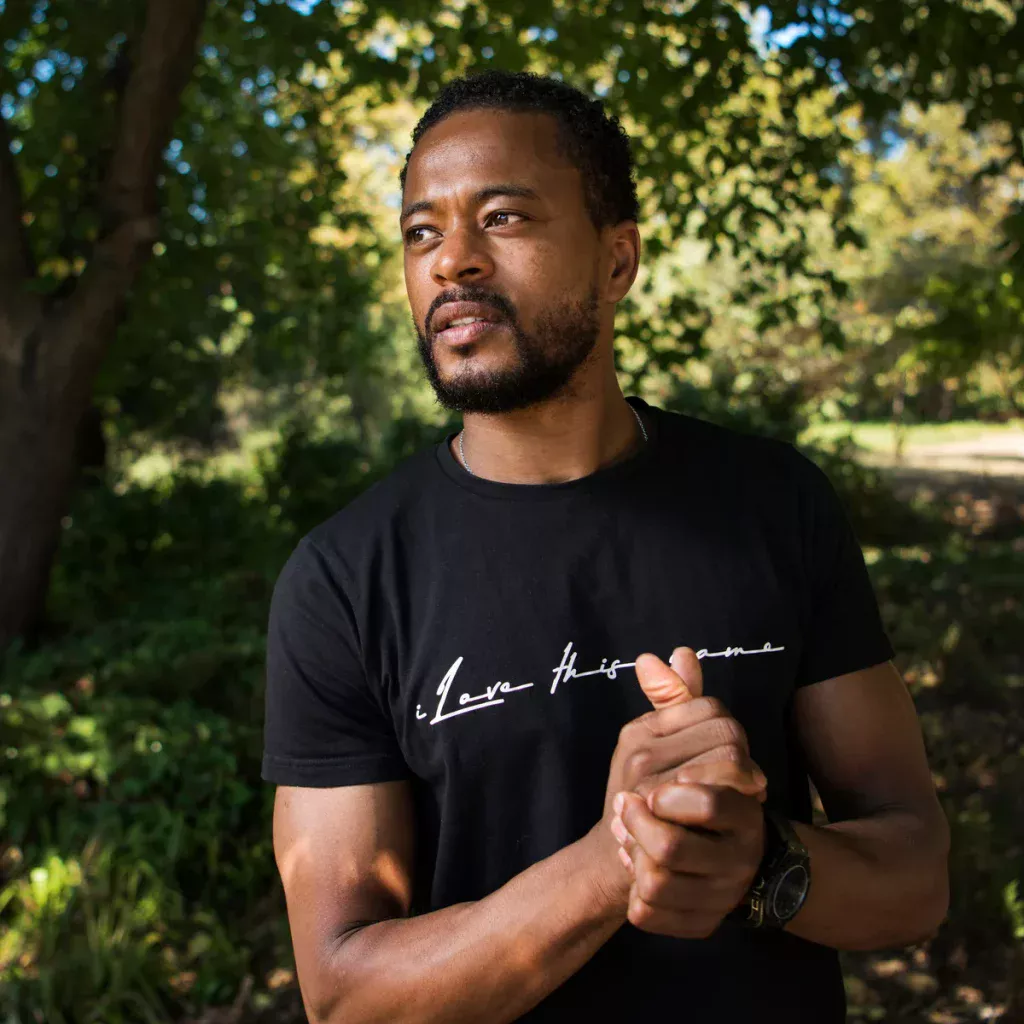
Former France and Manchester United captain Patrice Evra and former France international Mamadou Sakho are among the most prominent names participating in the ceremony.
They are joined by former Aston Villa captain James Chester, Atlético de Madrid CEO Miguel Ángel Gil Marín and Aston Villa business operations president Francesco Calvo.
The sporting contingent also includes David Lappartient, president of the Union Cycliste Internationale and an International Olympic Committee member, as well as Qatari Olympic high-jump champion Mutaz Essa Barshim.

Lappartient has a particularly strong connection to Rwanda following the country’s hosting of the 2025 UCI Road World Championships.
The presence of major sporting personalities reflects Rwanda’s growing use of sport as a platform for international visibility, tourism promotion and partnership-building.
African voices and Rwandan talent
Kwita Izina also maintains a strong African and Rwandan identity.
Gospel musician Israel Mbonyi is among this year’s namers, bringing one of Rwanda’s most recognisable contemporary music voices to the ceremony.
Filmmaker Marie-Clémentine Dusabejambo, whose film Ben’Imana reached the Un Certain Regard section at the 2026 Cannes Film Festival, is also participating.
Another notable figure is Jeanette Uwimbabazi, a ranger from Nyungwe National Park, whose inclusion highlights the frontline conservation workers whose daily efforts rarely receive the same international attention as celebrity guests.
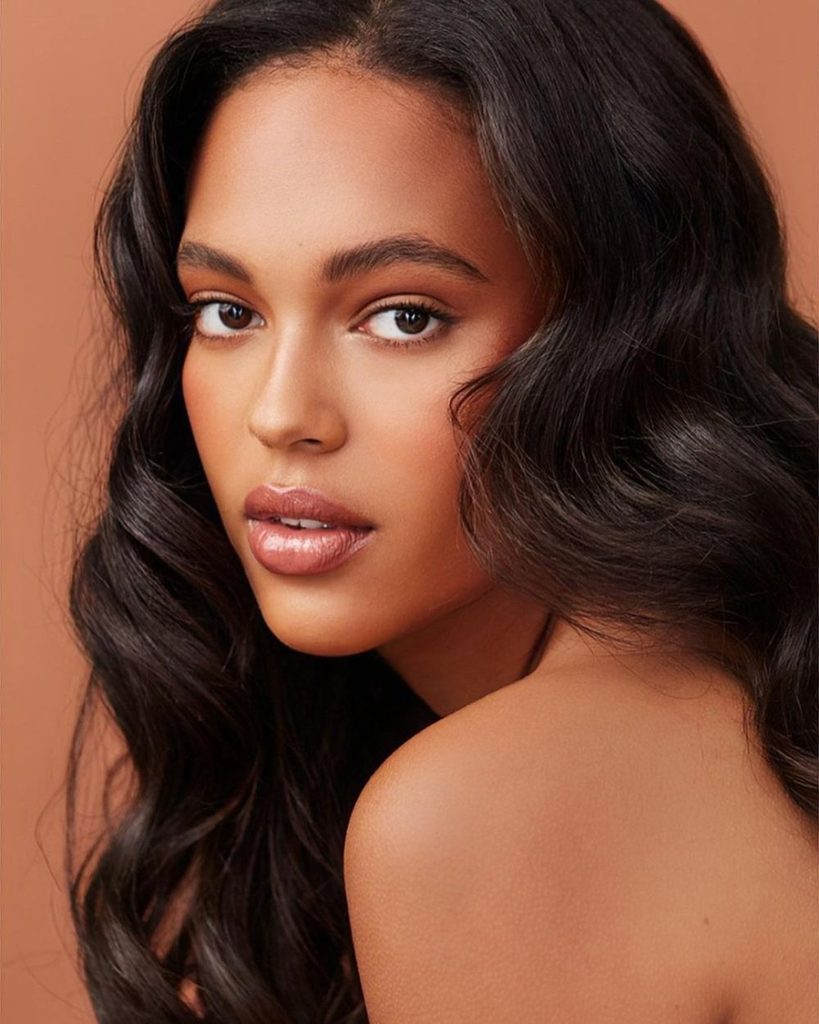
Kenza Johanna Ameloot, Miss Belgium 2024, who has Rwandan heritage, and Susan Hollern, founder of Hope Haven Rwanda, further strengthen the Rwanda-linked representation.
Tourism, business and conservation leaders
The list also includes influential figures from tourism, business and international conservation.
Shaikha Al Nuwais, incoming Secretary-General of UN Tourism and the first woman selected to lead the organisation, is among the high-profile participants.
Other namers include Eng. Ahmed Sadek Elsewedy, chairman of Elsewedy Electric; renowned nature filmmaker Alastair Fothergill; and Kelly O’Meara, executive director of the Pan African Sanctuary Alliance.
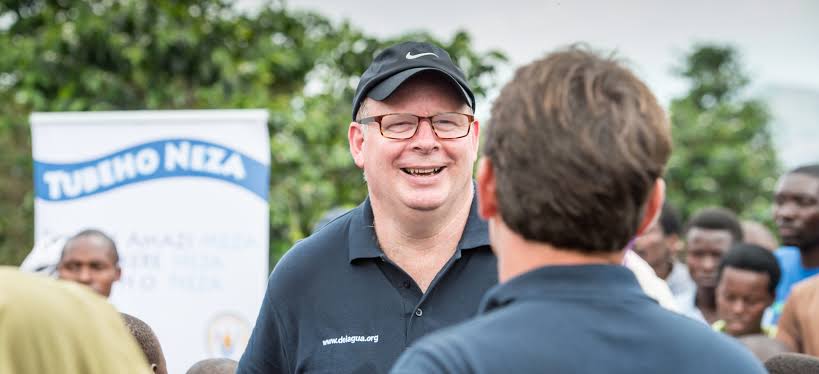
Hospitality investors Olivier and Quitterie Granet, paediatric-surgery philanthropists Garreth and Nicola Wood, DelAgua founder Neil McDougall, and Rio Tinto chairman Dominic Barton are also among those taking part.
The diversity of the group is part of what has made Kwita Izina increasingly significant beyond its ceremonial role.
It brings together people whose influence spans sport, tourism, entertainment, investment and conservation around a single message: protecting nature can also create opportunities for communities and economies.
Why Rwanda’s gorilla story matters
The annual ceremony comes against the backdrop of one of Africa’s most closely watched conservation successes.
Mountain gorilla numbers in the Virunga Massif and Bwindi landscape have risen to close to 1,100, making them the only great-ape population currently showing sustained growth.
Rwanda has built much of its conservation and tourism strategy around protecting the gorillas while generating economic benefits from visitors who come to experience them.
The country follows a high-value, low-volume tourism model, limiting the number of people who can trek to see the gorillas.
Part of the revenue generated by Volcanoes National Park is also channelled back into neighbouring communities, supporting projects including schools, health facilities, water infrastructure and livelihoods.
Rwanda recorded about USD 685 million in tourism revenues in 2025, generated from approximately 1.49 million visitors, highlighting the broader economic importance of the country’s tourism sector.
At the same time, authorities are working on longer-term habitat strategies, including plans to expand Volcanoes National Park and establish buffer zones aimed at reducing pressure between human settlements and wildlife habitat.
The challenge is becoming increasingly important as both Rwanda’s population and gorilla families require more space.
More than a naming ceremony
For Rwanda, Kwita Izina has evolved from a conservation-focused event into a major international platform.
The ceremony brings together celebrities and policymakers, but it also places attention on the people working closest to the animals — rangers, trackers, researchers and communities living alongside the national park.
That combination is central to Rwanda’s conservation model.
The message is not simply that gorillas must be protected.
It is that conservation must also work for the people who live around protected areas.
The involvement of football stars such as Evra and Sakho gives the event access to a global sporting audience, while artists such as Mbonyi and filmmakers such as Dusabejambo connect conservation with African culture and storytelling.
Tourism leaders and investors, meanwhile, highlight the economic opportunities that can emerge when environmental protection becomes part of a broader national development strategy.
The celebration continues in Kigali
The Kwita Izina celebrations will continue in Kigali on Saturday, September 5, with the Kwita Izina Concert at BK Arena.
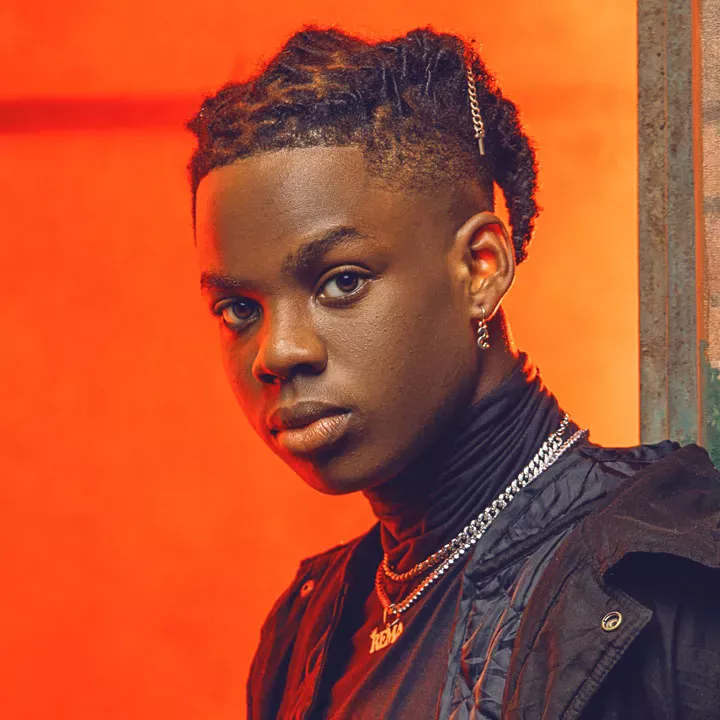
Nigerian Afrobeats star Rema is set to headline the concert, alongside Rwandan performers including Kivumbi King and Kenny Sol.
The transition from a conservation ceremony in Kinigi to a major music event in Kigali reflects the increasingly broad reach of Kwita Izina.
What began as a way of celebrating newborn gorillas has become a platform connecting conservation, tourism, culture, sport and community development.
And behind every name given to a baby gorilla is a larger responsibility.
The infants named in Kinigi will grow up in the forests of the Virunga mountains. Their survival will depend not on the ceremony itself, but on whether Rwanda and its partners can continue protecting the habitat, supporting surrounding communities and ensuring that conservation remains economically and socially sustainable.
The names may last a moment. The conservation work must last for generations.
About The Author


SUBSCRIBE TO OUR NEWSLETTER