Rusizi plants 4,700 trees as 140,000-tree restoration project launched
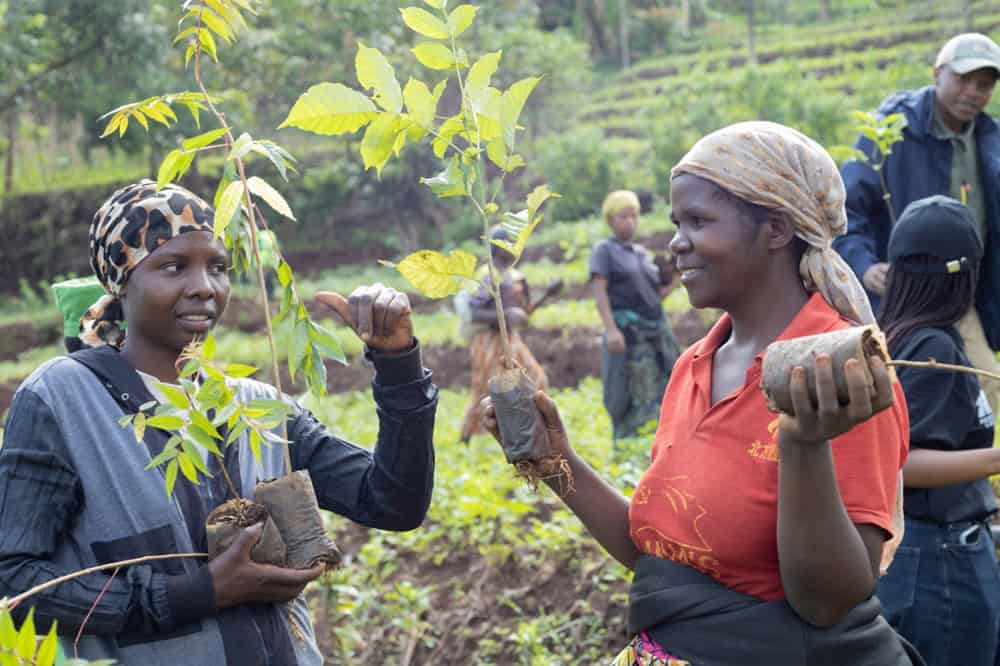
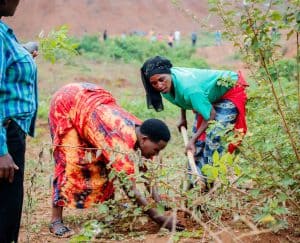
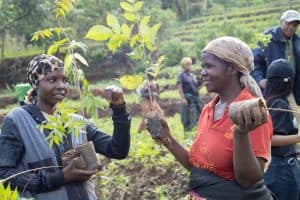
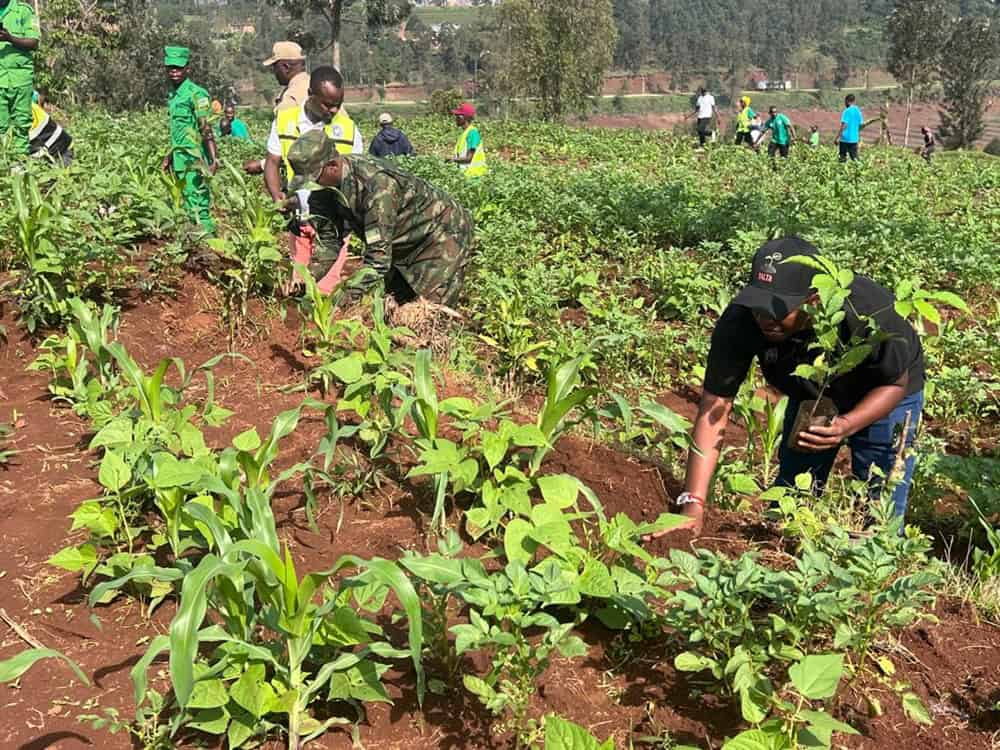
A total of 4,700 trees have been planted across 10 hectares in Rusizi District as part of efforts to restore degraded land, following the launch of a six-year project targeting 140,000 trees across 400 hectares.
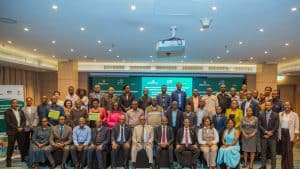
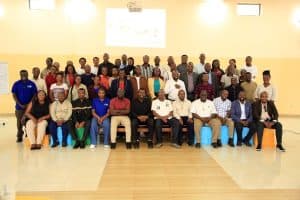
The tree-planting exercise took place on November 10, 2026, in Mururu Sector, during the launch of YALTA Initiative’s project, titled ‘Restoring Biodiversity and Building Resilient Livelihoods for Food Security in Rusizi District.’
The initiative aims to combat soil erosion, restore biodiversity, protect the Rusizi River Catchment and improve agricultural livelihoods among local communities.
The project targets 400 hectares, with 240 hectares scheduled for restoration in 2026 and the remaining 160 hectares in 2027. According to the project plan, 98,000 trees will be planted in 2026 and another 42,000 in 2027.
Of the 140,000 trees, the project expects 112,000 to survive and grow by December 2032, representing an 80 percent survival rate.
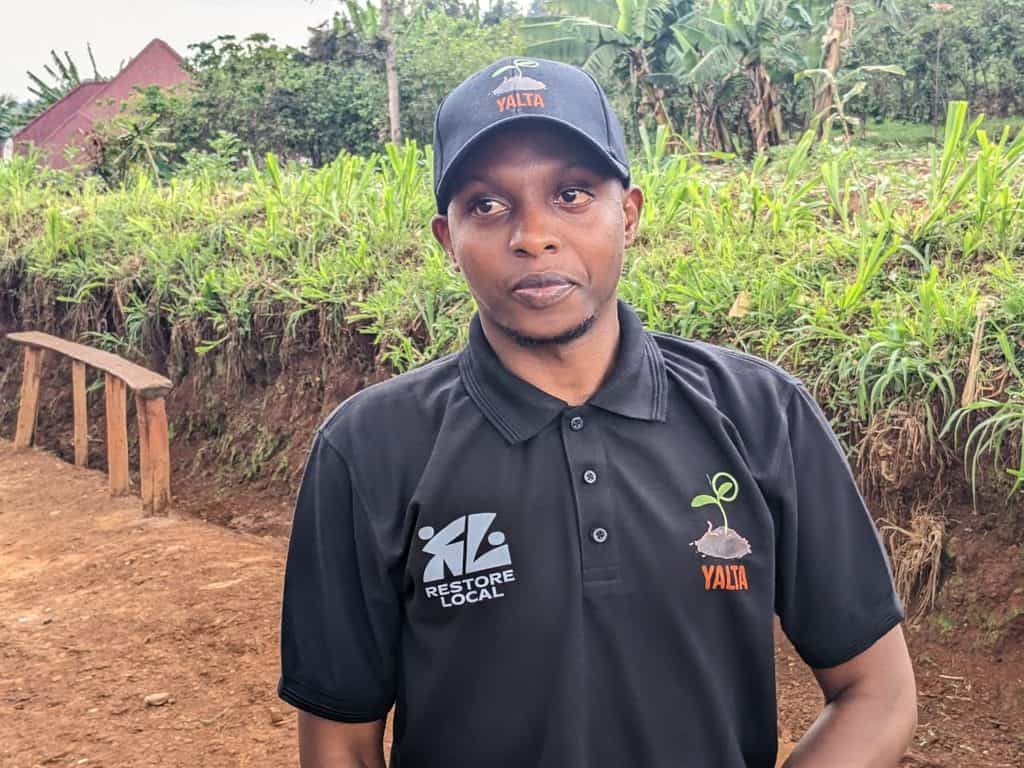
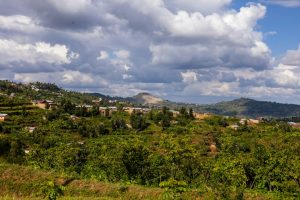
Emmanuel Ngamije Kwizera, the project’s manager, said Rusizi was selected because of its hilly landscape and dependence on agriculture, which make communities particularly vulnerable to soil erosion.
“Rusizi is a hilly district, and agriculture is one of the main activities here. Because of the terrain, a lot of soil is washed away through erosion. We saw farmers repeatedly losing the very soil they depend on for cultivation, which contributes to low agricultural production,” he said.
He added that the project was also designed to protect the Rusizi River Catchment, whose degradation threatens soil fertility, water quality and biodiversity.
The project, which began in January 2026 and runs until March 2032, has a budget of $210,000, according to Kwizera.
He said 95 percent of the restoration activities would focus on agroforestry, integrating trees into agricultural land, while the remaining five percent would involve planting trees along riverbanks.
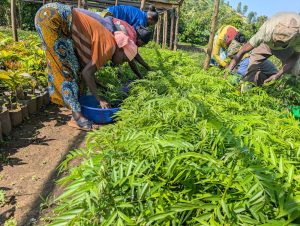
The project will promote different tree species, including indigenous varieties that have become less common in the district, alongside fruit trees such as avocado and mango.
Kwizera said the initiative would encourage farmers receiving seedlings to plant fruit trees as well, enabling households to benefit from both agricultural production and fruit harvesting.
“We want every farmer who receives trees to also plant fruit trees. This will help households have access to fruits while improving their food security. We also hope this will contribute to addressing child malnutrition in Rusizi District,” he said.
He emphasised that the initiative would go beyond distributing and planting seedlings, saying the project team would remain involved in monitoring their growth throughout its six-year implementation period.
“Sometimes people plant trees and leave them without following up. Our approach is different. We are here for six years to ensure that the trees we plant grow and eventually deliver the benefits we expect,” he said.
He attributed the project’s prospects for success to community involvement, explaining that beneficiaries participated in identifying planting locations and selecting the types of seedlings they wanted.
Beyond tree planting, the project will support farmers through agricultural training, particularly in fruit and vegetable production, and help connect them to markets.
The project plan also includes establishing five Farmer Field Schools, seven Youth Agroecology Clubs and three Community Restoration Committees to support agricultural learning, community participation and the protection of restored sites.
District targets erosion and child malnutrition
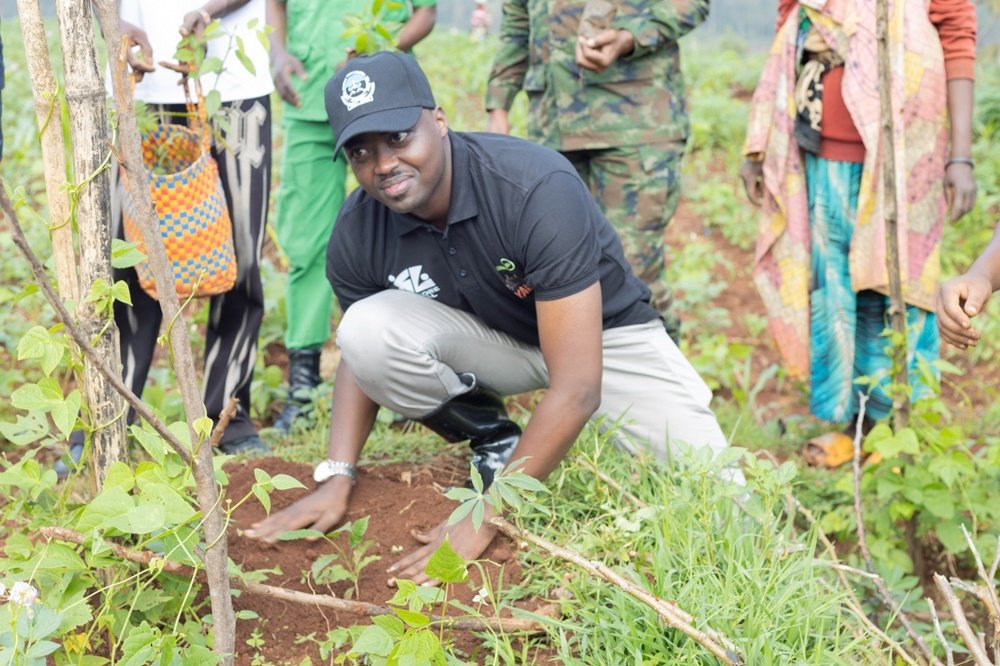
Fred Rwiririza, the Acting Executive Secretary of Rusizi District, said trees were important not only for environmental protection but also for human health and economic development.
“Trees are essential to human life because they provide the air we breathe. They also contribute to economic development through timber and other products that people can use to improve their livelihoods. They protect agricultural land against erosion and help restore areas that have already been degraded,” he said.
Rwiririza said 4,700 trees had been planted across 10 hectares during the launch-day activities, with fruit trees among the varieties prioritised.
He noted that the district was prioritising fruit trees, including avocado, mango and orange, to improve household nutrition and contribute to efforts to address child malnutrition.
“Rusizi District still faces the challenge of child malnutrition. That is why we are including fruit trees in our planting activities. Fruits can contribute to children’s growth, improve their diets and help protect them against nutrition-related illnesses,” he said.
He added that tree planting was particularly important in Rusizi because of the area’s recurring landslides.
The district has been encouraging residents to plant trees along terraces and within agricultural fields to stabilise the soil, prevent further degradation and restore areas affected by landslides.
Communities encouraged to protect planted trees
For residents participating in the initiative, the project is also an opportunity to improve their understanding of the importance of trees and adopt better agricultural practices.

Francine Uwamaliya, a beneficiary from Karambi Cell in Mururu Sector, said the initiative had changed how community members viewed trees.
“Before YALTA came here, we treated trees carelessly because we did not understand their importance, and sometimes we were among the people destroying them. Today, we understand their value because trees provide the air we breathe, give us food and protect our land against erosion. Trees are life,” she said.
Uwamaliya said the fruit trees would help households improve their diets, while training provided through the project had also equipped farmers with knowledge to increase their incomes.
She explained that farmers had been trained to grow vegetables not only for household consumption but also for sale, allowing them to earn money while improving food availability.
“When we grow vegetables for our own consumption and also produce enough to sell at the market, we address two challenges at the same time: we have food to eat and money coming into our households,” she said.

Jean Claude Habyarimana, another beneficiary from Mururu Sector, said the trees would provide several benefits to households, including fruits for children and timber for construction and other uses in the future.
He said previous tree-planting efforts had sometimes failed because residents did not give the seedlings adequate care.
“Sometimes we planted trees in the past, but they did not grow well because we did not follow up or take proper care of them. YALTA has taught us how to plant a tree and continue looking after it until it grows and is ready for harvesting,” he said.
By combining agroforestry, indigenous tree restoration, fruit production and farmer training, the initiative seeks to ensure that environmental restoration also contributes to food security and household incomes in Rusizi District.



About The Author


SUBSCRIBE TO OUR NEWSLETTER