Rwanda Launches 2026-2027 Tree Planting Season with Ambition to Plant Over 100 Million Trees
2026-2027 Tree Planting Season
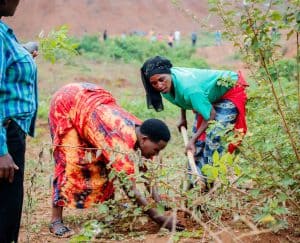
KIGALI, Rwanda — November 7, 2026 — Rwanda’s Ministry of Environment today officially launched the 2026-2027 national tree planting season during a community Umuganda exercise at the Nyabigugu site in Mulinja Cell, Gahanga Sector, Kicukiro District.
Permanent Secretary Fidèle Bingwa inaugurated the season under the continuing theme “My Tree, My Legacy” (Igiti cyanjye, umurage wanjye). The slogan underscores individual and collective responsibility for environmental stewardship, framing tree planting as a lasting contribution to current and future generations as well as the wider planet.
This year’s campaign targets the planting of more than 100 million trees across all districts. The mix includes trees for production forests, agroforestry systems, indigenous species, and fruit trees. The approach aims to balance timber and fuelwood needs with biodiversity restoration, soil protection, climate resilience, and household nutrition and income.
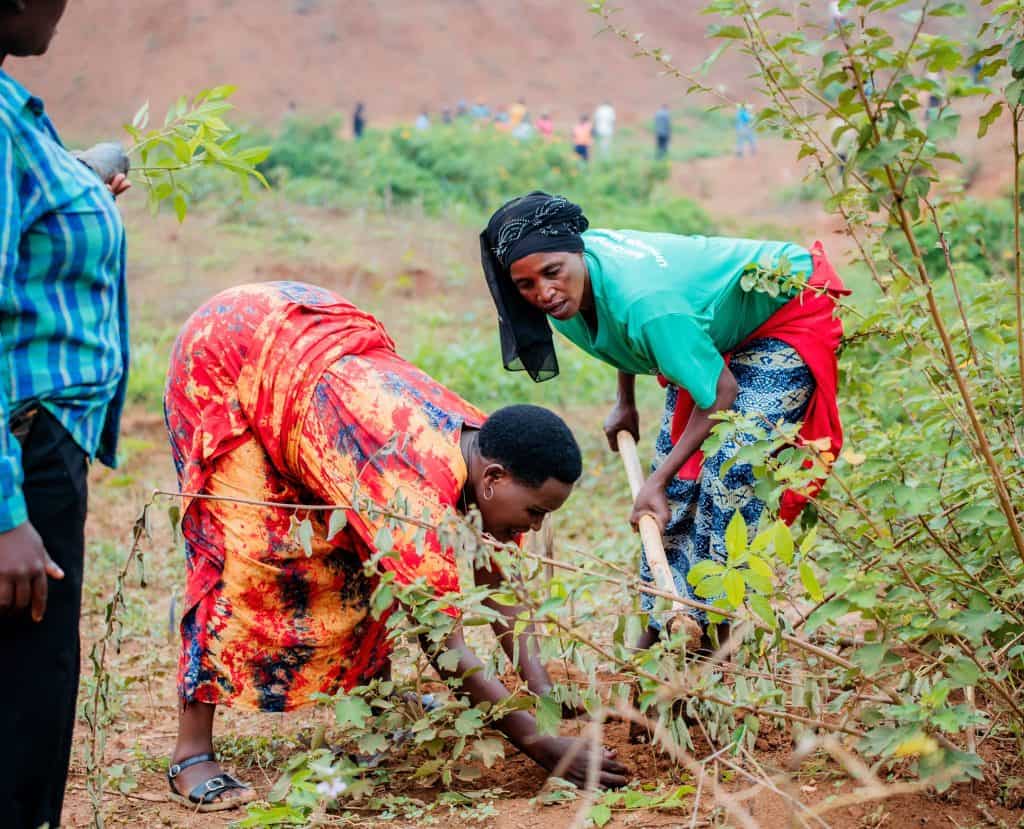
The launch continues Rwanda’s established practice of tying the annual tree planting season to Umuganda, the country’s monthly community service tradition. Citizens, local leaders, and officials worked side by side planting saplings, reinforcing the message that sustained care after planting is as important as the initial act of putting trees in the ground.
Rwanda’s Tree Planting Performance
Number of trees (millions) — previous season and new national target
Reported national forest cover, according to the figures provided for this report.
Source: Rwanda Ministry of Environment figures supplied for the 2026–2027 tree planting season launch. The 2026–2027 figure is a target, not an achieved planting result.
The new season builds on strong recent performance. In the 2025-2026 season, also run under the “My Tree, My Legacy” theme, Rwandans planted more than 68.5 million trees, exceeding the 60 million target by roughly 14 percent. Eastern Province led planting numbers, followed by the Southern and Western provinces. Officials have highlighted progress in protecting indigenous species and improving overall forest management.
Rwanda currently reports national forest cover of about 30.4 percent. The ongoing campaigns support broader national goals under the second National Strategy for Transformation, which envisions the planting of hundreds of millions of additional trees by the end of the decade while advancing landscape restoration commitments.
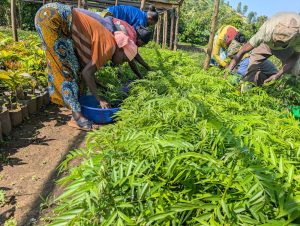
Partners including the Rwanda Forestry Authority, One Acre Fund (Tubura), and projects such as TREPA and COMBIO are expected to support seedling supply, technical guidance, and post-planting monitoring. Recent investments in modern nurseries, including facilities serving Kigali, are intended to improve the quality and availability of seedlings.
As planting activities expand beyond today’s launch site to every district in the coming months, authorities are stressing both volume and survival rates. Past seasons have shown that community ownership and regular follow-up maintenance are critical to turning high planting numbers into lasting forest cover, improved soil health, and greater climate resilience.
About The Author


SUBSCRIBE TO OUR NEWSLETTER