From Historical Antagonism to Pragmatic Partnership: How France and Rwanda Rebuilt Their Relationship

For more than two decades after the 1994 Genocide against the Tutsi, France and Rwanda stood on opposite sides of a deep historical divide.
France’s close political and military ties to the Hutu-led government of Juvénal Habyarimana, its failure to heed clear warnings, and its perceived support for elements of the former regime left a lasting wound in Kigali.
Diplomatic relations were severed in 2006 amid French judicial investigations and were only cautiously restored in 2009–2010. Accusations of complicity, mutual distrust and competing narratives dominated the relationship for a generation.
The decisive shift began under President Emmanuel Macron.
In 2021, the Duclert Commission concluded that France bore “heavy and overwhelming responsibilities” for the events leading to the genocide, rooted in a colonial mindset that blinded policymakers, while ruling out direct complicity in the genocide.
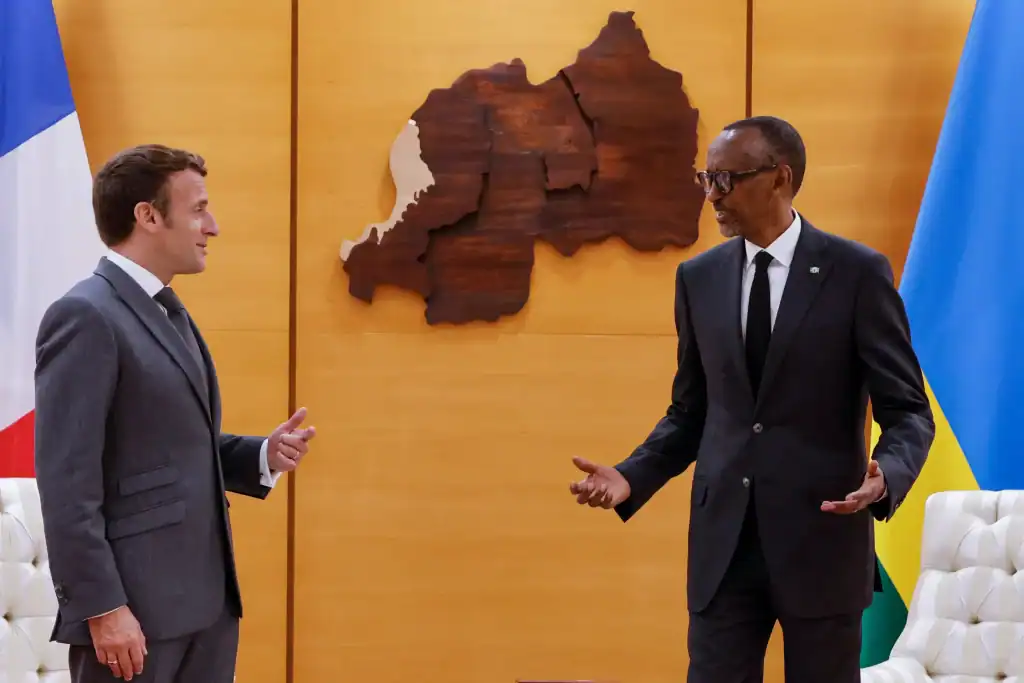
During a visit to Kigali on 27 May 2021, Macron publicly acknowledged France’s responsibilities. President Paul Kagame described the speech as more valuable than a formal apology. The exchange marked a turning point: both sides chose to confront the past rather than remain trapped by it.
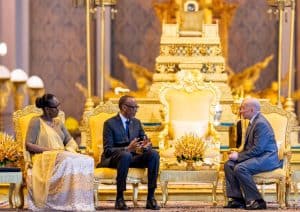
This work of remembrance continued. On 2 June 2026, Macron and Kagame jointly inaugurated “L’Archive”, a memorial on the banks of the Seine in Paris designed by artist Grada Kilomba. Macron called it the culmination of a long and painstaking quest for truth and a milestone in remembrance. Kagame welcomed the monument as a mark of respect for Rwandan dignity and history.
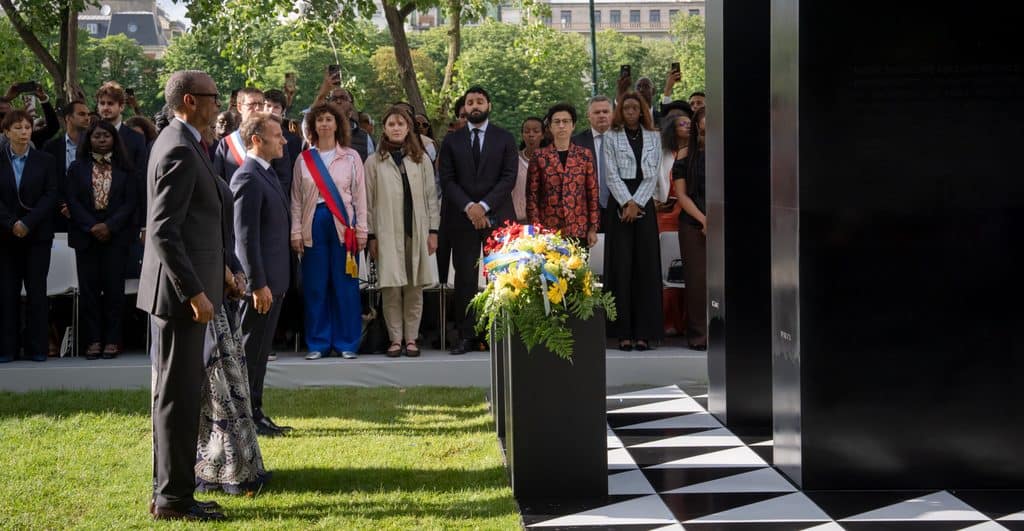
The act was deliberately public and permanent, placing the memory of the genocide at the heart of the French capital. It symbolised that the relationship was no longer defined solely by denial or accusation, but by a shared, if still incomplete, effort to establish historical clarity.
With the historical foundation partially rebuilt, the relationship has evolved into a pragmatic partnership driven by converging interests. France, seeking to maintain relevance in a changing Africa and diversify beyond its traditional Francophone partners, has viewed Rwanda as a dynamic actor in Anglophone East Africa.
Rwanda, in turn, has welcomed French development finance, technical expertise and private-sector engagement as it pursues its Vision 2050 goals.
The results are increasingly visible in development finance, trade and business presence. The Agence Française de Développement (AFD) resumed operations in Rwanda in 2019 and officially inaugurated its Kigali office in March 2022.
By the end of 2025, its portfolio had reached nearly €600 million across 22 ongoing projects, including work in health, education and vocational training, sport and climate resilience. A 2024 commitment by France provided for approximately €400 million in AFD support between 2024 and 2028.
Sources: French Treasury, AFD and French Ministry for Europe and Foreign Affairs. Bars use separate scales and are illustrative of each indicator, not directly comparable.
Bilateral trade in goods reached €67 million in 2025, an increase of 79.8% compared with 2024, according to France’s Directorate-General of the Treasury.
Nearly 50 French companies were operating in Rwanda in 2026—more than double the number in 2021—with activity in logistics, hospitality, digital services, media, engineering and infrastructure. The figures point to a relationship increasingly underpinned by commercial and development interests, even as the overall trade volume remains modest.
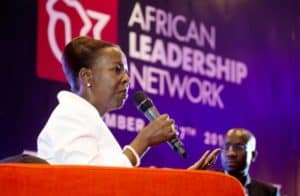
This pragmatism has proven resilient even when disagreements arise. At the 20th Francophonie Summit in Phnom Penh on 15–16 November 2026, tensions flared over the leadership of the Organisation internationale de la Francophonie.
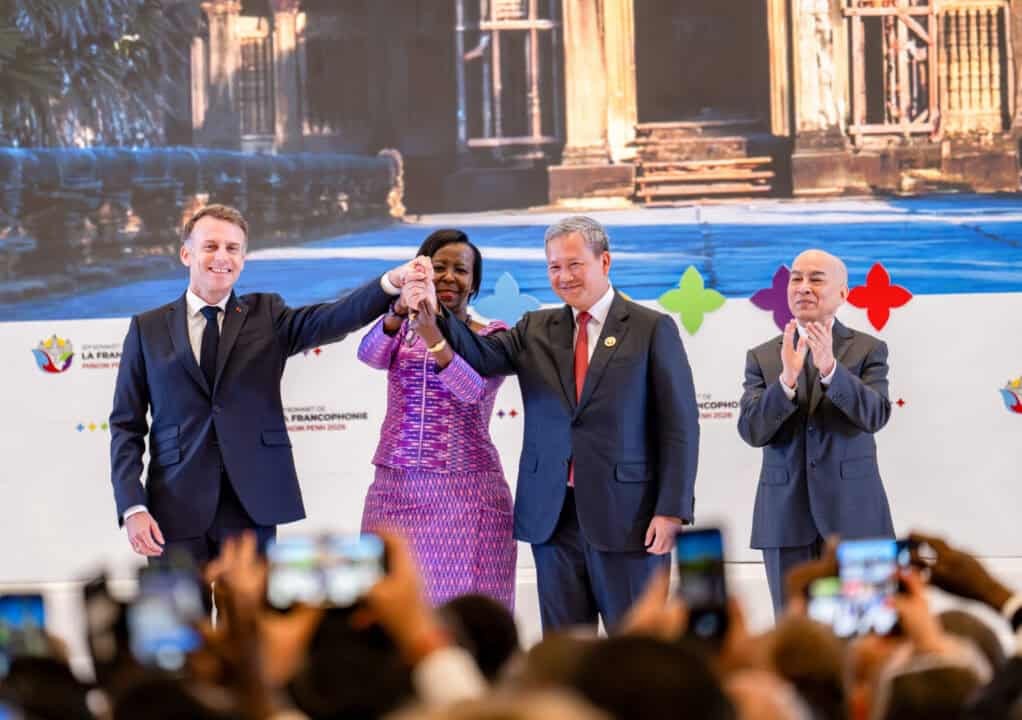
Rwanda’s candidate, Louise Mushikiwabo, sought another term; the Democratic Republic of Congo opposed her bid, while France called for a consensus solution.
Member states postponed the selection of a new secretary-general for a year, allowing Mushikiwabo to remain in office during the interim.
The episode exposed sharp differences, but did not produce a rupture in bilateral relations. Rwandan officials have maintained that partners can disagree without endangering the wider relationship.
France has also continued to call for the withdrawal of Rwandan forces from eastern Democratic Republic of Congo and an end to support for the M23, allegations Rwanda disputes.
At the same time, development cooperation has continued. The ability to keep diplomatic engagement and economic programmes moving amid disagreement illustrates the practical character of the relationship, although it should not be mistaken for agreement on regional security issues.
The transformation is neither complete nor free of contradiction.
Full mutual trust takes longer than commissions and memorials, and strategic differences—especially over the Great Lakes region—persist.
What has changed is the foundation. Historical antagonism has increasingly given way to a relationship that treats remembrance as a prerequisite for cooperation rather than an obstacle to it, and that grounds partnership in measurable shared interests: development, investment, regional influence and a desire on both sides to move forward.
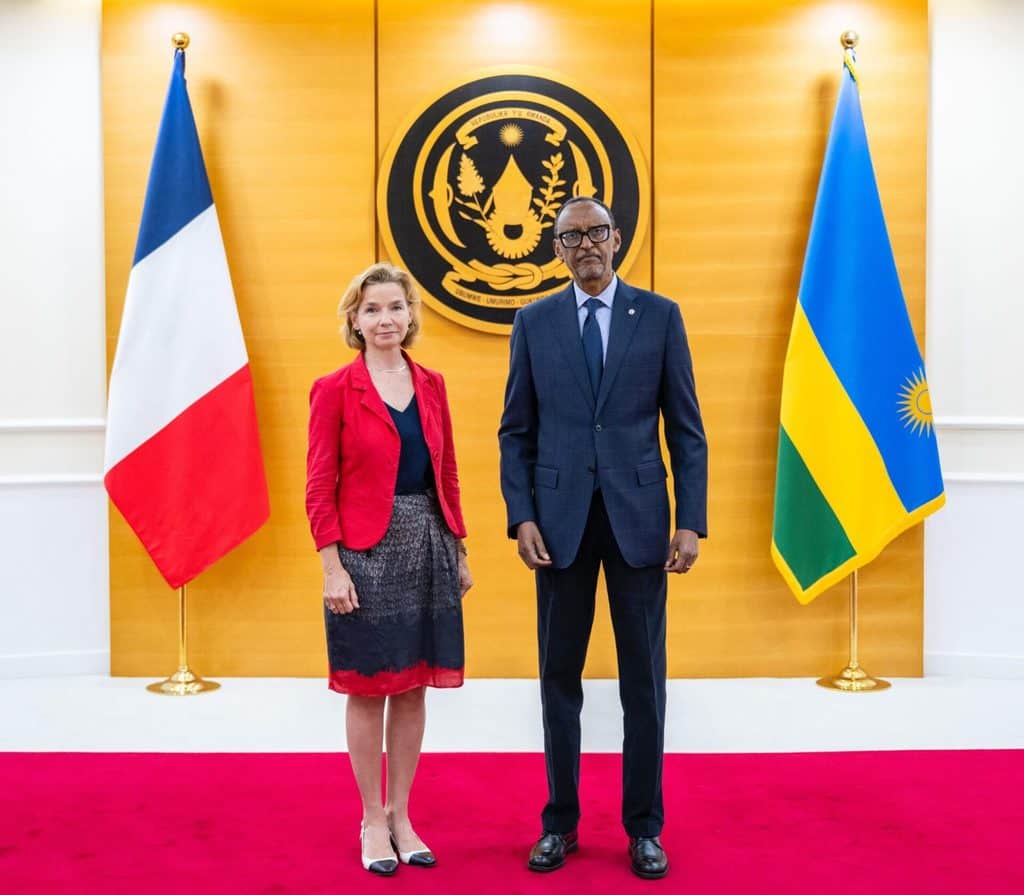
French Ambassador to Rwanda, Aurélie Royet-Gounin, pledged that her country will continue to strengthen bilateral relations while also following up on genocide suspects linked to the 1994 Genocide against the Tutsi.
As of late 2026, France and Rwanda are no longer defined primarily by the rupture of the past; they are defined by the pragmatic, if imperfect, partnership they have chosen to build.
Sources: Élysée – inauguration of L’Archive memorial; France’s Directorate-General of the Treasury – bilateral economic relations; AFD – opening of its Kigali office; Le Monde – Francophonie Summit, November 2026.
About The Author


SUBSCRIBE TO OUR NEWSLETTER