Rwanda Moves to Strengthen Environmental Protection as Parliament Advances New Environment and Climate Change Law
Rwanda is moving towards a stronger legal framework for environmental protection and climate action, with a proposed new law seeking to tighten pollution controls, strengthen safeguards for mining and gas extraction, and establish clearer rules for climate finance and carbon markets.
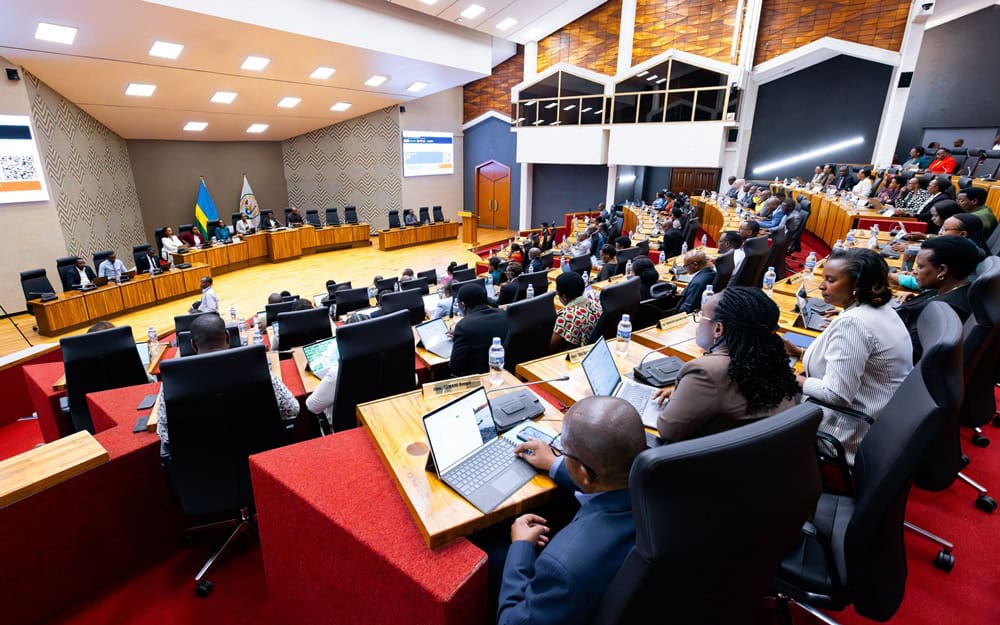
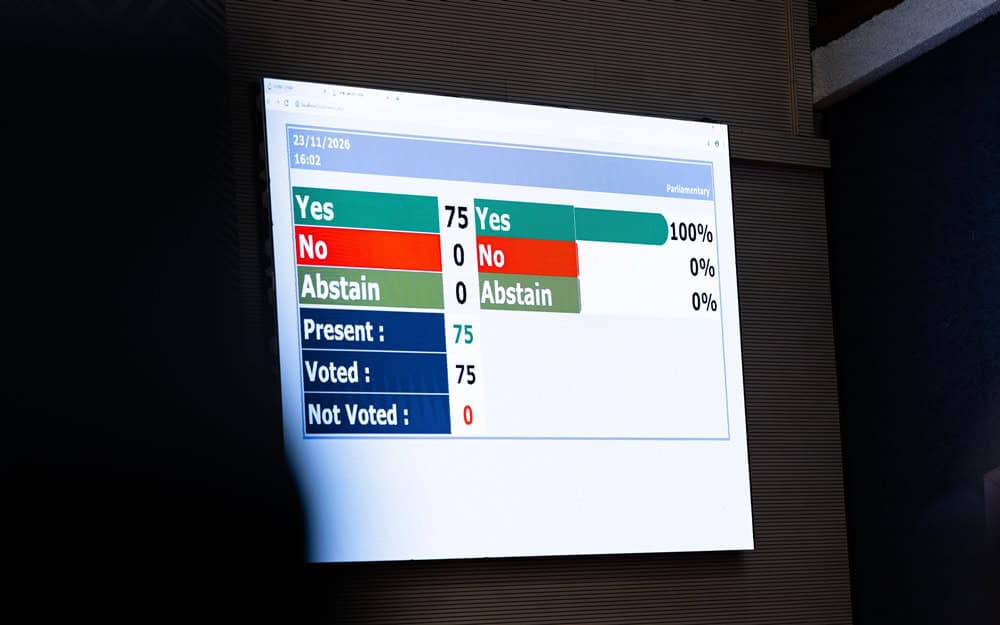
On November 23, 2026, the Chamber of Deputies adopted the relevance of the draft law governing the Environment and Climate Change, alongside a separate bill governing the Rwanda Green Fund (FONERWA). The decision advances both proposals through the legislative process.
The two draft laws were approved by Cabinet in September 2026 as part of the Government’s efforts to strengthen environmental governance, support climate resilience and attract investment into the green economy.
The proposed environmental legislation is intended to replace Law No. 48/2018 of August 13, 2018, which currently provides Rwanda’s principal legal framework for environmental management.
The proposed changes come as Rwanda seeks to accelerate its climate commitments, restore degraded landscapes, improve waste management and mobilise financing for its transition towards a low-carbon, climate-resilient economy.
Stronger pollution controls and environmental enforcement
The existing 2018 Environment Law establishes important principles, including the precautionary principle, the polluter-pays principle, environmental sustainability and cooperation in environmental protection. It also requires environmental and climate change considerations to be integrated into national development planning and sectoral policies. Its provisions cover waste management, wetlands, ozone-layer protection and penalties for environmental offences.
The proposed legislation seeks to build on this foundation by strengthening controls in areas where environmental damage, pollution and climate risks require more effective regulation.
One of its major priorities is strengthening the management of industrial pollution, hazardous waste and other activities that threaten public health and ecosystems.
The reforms are also expected to support Rwanda’s Nationally Determined Contribution (NDC 3.0), which targets a 53% reduction in greenhouse gas emissions by 2035 compared with the business-as-usual scenario.
Mining companies face stronger rehabilitation expectations
Mining and quarrying activities are among the sectors expected to face closer environmental scrutiny.
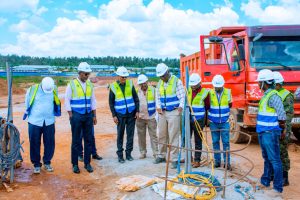
The proposed framework seeks to strengthen requirements for environmental rehabilitation, including financial guarantees to ensure companies have resources available to restore sites affected by their operations.
This is particularly important given the approximately 994 abandoned mining and quarry sites identified for rehabilitation. Such sites can expose surrounding communities and infrastructure to risks including soil erosion, landslides, water contamination and other forms of environmental degradation.

Rwanda’s Minister of Environment and Climate Change, Dr. Bernadette Arakwiye present the law to parliamentarians on Monday
Stronger rehabilitation requirements could increase compliance costs for mining operators while encouraging responsible extraction and better environmental management throughout the life cycle of mining projects.
The proposed changes also create opportunities for businesses providing environmental restoration services, responsible mining technologies and sustainable waste management solutions.
Rwanda seeks clearer rules for carbon markets and climate finance
Another important component of the proposed legislation is the strengthening of the legal framework governing climate finance and Rwanda’s national carbon market.
Rwanda established its National Carbon Market Framework in 2023 and subsequently introduced a fee structure for carbon-market services in January 2026.
The proposed law is expected to provide a stronger legal foundation for carbon-related investments, offering greater clarity for project developers, investors and institutions financing emissions-reduction and environmental restoration initiatives.
This could create opportunities in renewable energy, forestry, agroforestry, clean cooking, sustainable agriculture and waste management.
For project developers, clearer regulations could help strengthen investor confidence and improve the organisation of carbon projects, including their environmental integrity and benefits to participating communities.
Green Fund bill seeks to attract more private investment
Alongside the environmental legislation, the proposed Rwanda Green Fund law seeks to expand the financing instruments available through the Rwanda Green Fund, commonly known as FONERWA.
The proposed changes would move the Fund beyond its traditional grant-based support by allowing it to use additional financial mechanisms, including blended finance, equity investments, fund-of-funds models, advisory services and a dedicated investment arm.
The expansion is intended to make it easier for businesses, project developers and other investors to access financing for climate-friendly initiatives.
The Fund’s 2024–2030 strategy targets mobilising approximately US$1.7 billion by 2030, positioning it as an important financing institution in Rwanda’s green economic transition.
A broader investment mandate could help connect public resources, international climate finance and private capital with projects delivering measurable environmental and economic benefits.
What the proposed changes mean for different economic sectors
The proposed legislation could have significant implications across Rwanda’s economy.
Mining and quarrying companies may face stronger rehabilitation guarantees, environmental assessments and pollution controls. Manufacturers and industrial operators could be required to strengthen waste management and invest in cleaner production technologies.
In construction and real estate, environmental and social assessment requirements are becoming increasingly important, particularly for major developments.
Agriculture and forestry businesses could benefit from greater attention to sustainable land management, biodiversity conservation, landscape restoration and climate-smart agricultural practices.
The energy and transport sectors may also see opportunities linked to renewable energy, clean mobility, emissions reduction and participation in carbon markets.
For financial institutions and private investors, the proposed expansion of FONERWA’s financing instruments could open new opportunities in green investment, blended finance and climate-related businesses.
Environmental compliance is already evolving
The proposed law is part of a broader regulatory shift rather than an isolated initiative.
In August 2025, Rwanda introduced Ministerial Order No. 003/MoE/25 governing Environmental and Social Impact Assessments (ESIA), replacing the previous 2019 framework. The updated requirements broaden environmental assessments to include social considerations such as gender equality, labour conditions, resettlement and mechanisms for addressing community grievances.
Another important measure is Law No. 010/2025, which introduced a 0.2% environmental levy on imported goods packaged in plastic materials, calculated on their customs value and collected from July 1, 2025.
Together, these measures demonstrate increasing attention to the environmental and social responsibilities of businesses and development projects.
Financing remains central to Rwanda’s climate ambitions
Under NDC 3.0, Rwanda estimates that approximately US$12 billion will be required between 2025 and 2035 to implement climate mitigation and adaptation measures.
The financing needs cover interventions in climate-resilient agriculture, water management, renewable energy, sustainable transport, biodiversity conservation, waste management and ecosystem restoration.
A stronger Rwanda Green Fund could therefore play an important role in connecting public resources, international climate finance and private investment with projects that deliver measurable environmental and economic benefits.
What happens next?
The adoption of the relevance of the two draft laws by the Chamber of Deputies on November 23 marks an important step in Rwanda’s legislative process. However, further parliamentary consideration and the remaining constitutional procedures are necessary before the proposals can become law.
The final legislation and subsequent implementing regulations will determine the precise obligations, financial guarantees, enforcement mechanisms and compliance requirements for businesses and public institutions.
For companies operating in mining, construction, manufacturing, agriculture and other resource-intensive sectors, following the legislative process will be important in preparing for potential changes.
For investors and environmental project developers, the proposed reforms could create new opportunities in carbon markets, green finance, pollution control and environmental restoration.
Ultimately, the effectiveness of the proposed reforms will depend not only on the strength of the legislation but also on enforcement, institutional capacity, access to finance and the involvement of communities whose livelihoods depend directly on Rwanda’s natural resources.
The proposed law therefore represents an important opportunity to strengthen the link between environmental protection, economic development and climate investment in Rwanda.
About The Author


SUBSCRIBE TO OUR NEWSLETTER