Rwanda Strengthens Africa’s Push for Health Sovereignty as PM Nsengiyumva Represents Kagame at CPHIA 2026
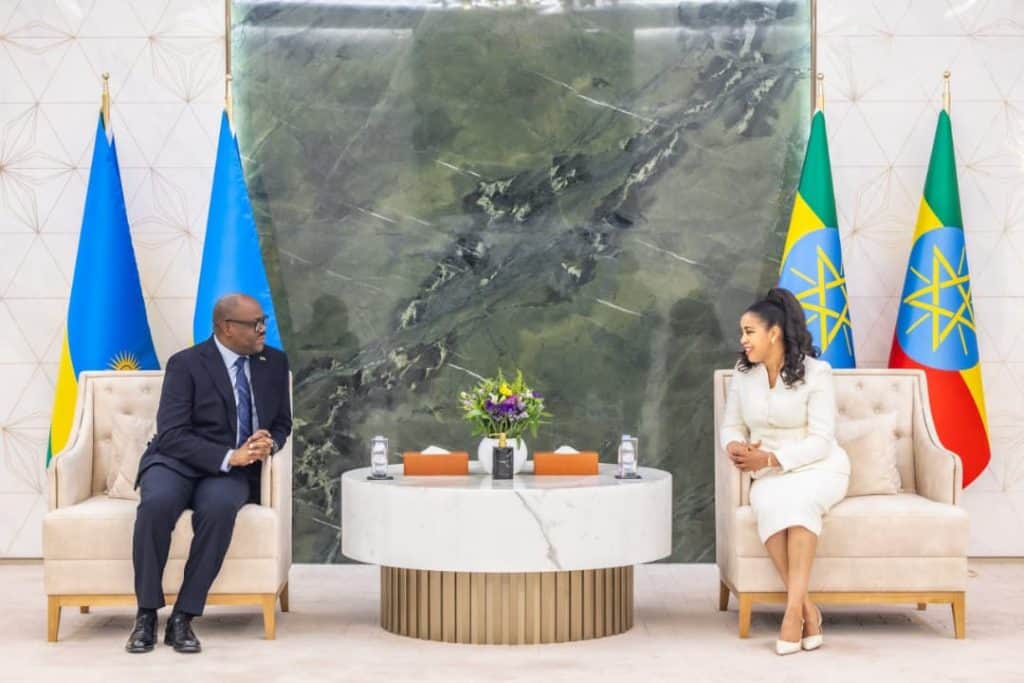
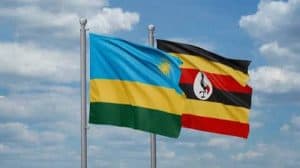
Rwanda has joined African countries in advancing the continent’s drive towards healthcare self-reliance, with Prime Minister Dr Justin Nsengiyumva arriving in Addis Ababa, Ethiopia, to represent President Paul Kagame at a major continental health conference expected to shape strategies for reducing dependence on foreign aid, expanding domestic investment and strengthening Africa’s capacity to prevent and respond to disease outbreaks.
According to the Office of the Prime Minister, Nsengiyumva arrived in Ethiopia on Sunday, November 22, 2026, ahead of the Fifth International Conference on Public Health in Africa (CPHIA 2026), scheduled to take place from November 23 to 27 in Addis Ababa.
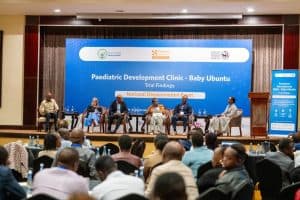
Organised by the Africa Centres for Disease Control and Prevention (Africa CDC) in partnership with the Government of Ethiopia, the conference will bring together heads of state, government officials, health ministers, researchers, public health experts and investors to discuss critical challenges affecting Africa’s healthcare systems and identify sustainable solutions.
More than 30,000 participants are expected to attend physically and virtually, making the gathering an important platform for advancing continental cooperation and defining Africa’s public health priorities.
This year’s conference is centred on building an Africa capable of financing, producing and managing its own healthcare solutions, marking a renewed continental push to move away from heavy reliance on external assistance towards sustainable, locally driven health systems.
Discussions will focus on increasing domestic health financing, developing pharmaceutical and vaccine manufacturing industries, strengthening epidemic preparedness and response, and accelerating the adoption of digital technologies in healthcare delivery.
The discussions come as Africa faces growing pressure to secure sustainable financing for its healthcare systems amid declining international assistance, limited domestic resources and an increasing number of public health emergencies.
According to Africa CDC estimates, external health assistance to African countries was projected to decline by nearly 70 per cent between 2021 and 2025, raising concerns about the sustainability of essential health programmes and the continent’s capacity to respond effectively to disease outbreaks.
The public health situation has also become increasingly challenging. Africa CDC figures show that public health emergencies across the continent increased from 152 in 2022 to 213 in 2024, underlining the need for stronger disease surveillance, improved preparedness and greater investment in healthcare infrastructure.
Rwanda is among the countries pursuing strategies to strengthen domestic healthcare capacity and contribute to Africa’s ambition of becoming more self-reliant in producing essential medical supplies.
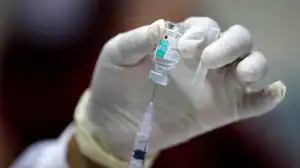
One of the country’s major initiatives is the establishment of a BioNTech vaccine manufacturing facility, an investment expected to support local vaccine production ambitions and contribute to efforts to strengthen Africa’s pharmaceutical and biotechnology industries.
The initiative reflects the broader continental agenda of reducing dependence on imported medical products while building the expertise, infrastructure and industrial capacity needed to respond to future health challenges.
CPHIA was established in 2021 as a continental platform for bringing together policymakers, scientists, health professionals and development partners to address public health priorities and strengthen Africa’s health security.
The conference’s second edition was held in Kigali, Rwanda, in 2022, followed by Zambia in 2023 and South Africa in 2025.
The 2026 edition is expected to place particular emphasis on translating commitments into practical actions that will enable African countries to mobilise more domestic resources, expand local pharmaceutical production, strengthen healthcare systems and improve their ability to prevent, detect and respond to disease outbreaks.
About The Author


SUBSCRIBE TO OUR NEWSLETTER