Solar Power Drive Brings Health Benefits to More Than 140 Million People in Africa and Asia
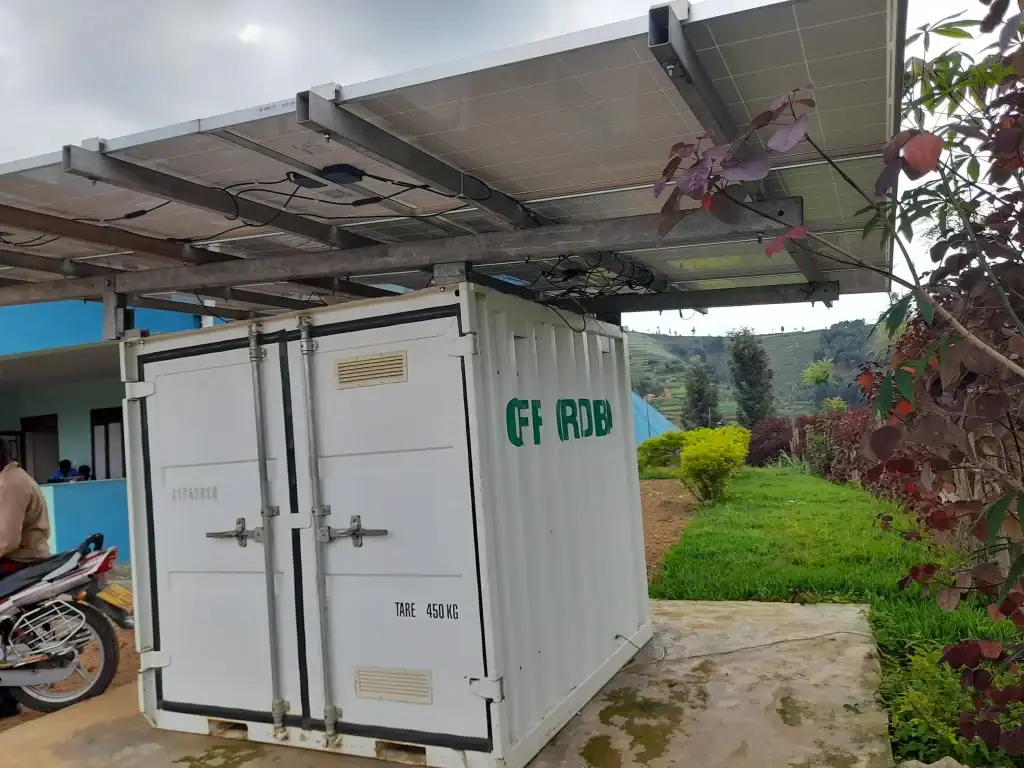
GENEVA, November 11, 2026 — More than 1,700 primary health facilities across five countries in Africa and Asia are benefiting from a major solarisation drive backed by more than US$30 million from Gavi, the Vaccine Alliance, helping improve access to reliable electricity and essential health services for more than 140 million people in underserved communities.
The initiative is targeting health facilities in Ethiopia, Nigeria, Pakistan, Uganda and Zambia, where unreliable electricity has long posed a challenge to immunisation programmes, vaccine storage and the delivery of frontline healthcare. The milestone comes as governments, development partners, climate experts and civil society gather at COP31 in Türkiye to discuss practical solutions linking climate action, resilience and development.
By providing clean and dependable energy to facilities located far from electricity grids, or in areas where power is expensive or intermittent, solar systems are helping clinics maintain vaccine cold chains, extend service hours and support night-time and emergency care.
Solar power strengthens frontline healthcare
Unreliable electricity can undermine immunisation by putting vaccines at risk when refrigeration systems cannot maintain safe temperatures. Power shortages can also limit the use of diagnostic equipment, interrupt routine services and make it difficult for health workers to provide care after dark.
Solarisation is helping address these challenges by supplying health facilities with a more consistent source of electricity. With dependable power, clinics are better equipped to preserve vaccines, operate essential medical equipment, extend opening hours and provide safer, more reliable services to surrounding communities.
The country-level figures shared for the programme show the scale of the investment across the five participating countries:
| Country | Facilities solarised | People reached | Investment (US$ million) |
|---|---|---|---|
| Nigeria | 371 | 115 million | 9.00 |
| Ethiopia | 380 | 8.6 million | 6.39 |
| Pakistan | 398 | 12.4 million | 6.67 |
| Uganda | 250 | 3.1 million | 4.25 |
| Zambia | 296 | 1.3 million | 4.17 |
| Total of country breakdowns | 1,695 | 140.4 million | 30.48 |
Note: The country figures provided add up to 1,695 facilities, 140.4 million people and approximately US$30.48 million. Gavi describes the wider initiative as solarising more than 1,700 facilities and reaching over 140 million people.
Nigeria accounts for the largest reported population reach
Nigeria accounts for the largest reported population reach, with 371 solarised primary healthcare facilities expected to strengthen access to vaccines and basic health services for an estimated 115 million people, supported by approximately US$9 million.
In Ethiopia, 380 facilities have been solarised, serving about 8.6 million people through an investment of US$6.39 million. Pakistan has equipped 398 facilities with solar power, extending services to around 12.4 million people through US$6.67 million in support.
Uganda has upgraded 250 facilities, serving approximately 3.1 million people through US$4.25 million, while Zambia has solarised 296 facilities to improve access to care for an estimated 1.3 million people, backed by US$4.17 million.
Long-term investment in vaccine cold chains
The solarisation drive builds on Gavi’s more than two decades of investment in vaccine cold-chain infrastructure in lower-income countries. Reliable refrigeration is essential to keeping vaccines within safe temperature ranges from storage to delivery, helping prevent heat exposure, vaccine wastage and interruptions to immunisation services.
As part of these wider efforts, more than 66,400 solar direct drive (SDD) vaccine refrigerators have been deployed with Gavi support across multiple lower-income countries. The refrigerators are projected to avert up to 153,024 tonnes of carbon dioxide-equivalent emissions over a 10-year operational period.
Solar direct drive refrigerators use solar energy to support vaccine storage, reducing dependence on unreliable grid electricity and conventional power sources in areas with limited infrastructure.
Gavi says solarisation advances vaccine equity and climate goals
Ian MacTavish, Director of Vaccine Forecasting and Supply Management at Gavi, the Vaccine Alliance, said investment in solar energy was helping remove a major obstacle to equitable access to vaccines while supporting stronger and more sustainable health systems.
“By investing in solar energy for primary healthcare facilities, Gavi is removing a critical bottleneck to vaccine equity while helping countries build stronger, more sustainable and climate-friendly health systems. Solar-powered clinics ensure vaccines remain safe, health workers can deliver services consistently, and communities in far-flung areas can access life-saving vaccines and essential health services.”
The initiative illustrates how climate-related investments can deliver benefits beyond emissions reduction. By improving electricity access in health facilities, solar power can strengthen immunisation systems, support health workers and make essential services more dependable for remote and underserved communities.
As climate and development discussions continue at COP31, the programme offers an example of how clean-energy investment can contribute simultaneously to public health, vaccine equity, community resilience and lower-carbon development.
By Kayiranga Justin
About The Author


SUBSCRIBE TO OUR NEWSLETTER