Africa urged to increase domestic HIV funding as donor support declines

African countries have been urged to increase domestic financing for HIV programmes and incorporate treatment costs into national budgets as declining international donor support threatens the sustainability of services relied upon by millions of people across the continent.
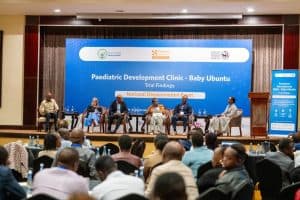
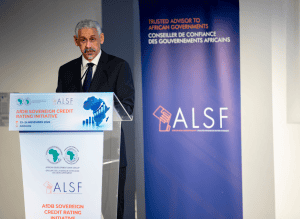
The warning was delivered by Aboubakri Diaw, Chief of Staff at the United Nations Economic Commission for Africa (ECA) and health financing lead, during a side event on HIV financing sovereignty at the 2026 International Conference on Public Health in Africa (CPHIA), held on November 25.
According to the ECA, donor government funding for HIV programmes fell by 25 percent last year, reaching its lowest level since 2007. Prevention initiatives and community-led services have been among the hardest hit by the reductions.
More than 20 million Africans are currently receiving HIV treatment, making the sustainability of financing a major concern for governments as external assistance declines.
“Over 20 million Africans are on treatment. That is our firewall,” Diaw said, warning that many African countries still depend heavily on external funding to maintain these services.
He argued that although HIV programmes have received substantial financing over the past two decades, much of the funding has come from outside national budgets, leaving countries vulnerable when donor support changes.
“What the budget does not see, the budget does not protect,” he said.
Diaw also pointed to the financial pressures facing African governments, noting that debt servicing accounts for around 46 percent of budgets in many countries, while more than 32 African countries spend more on debt repayments than on healthcare.
He called on governments to move beyond short-term funding commitments and integrate HIV financing into medium-term expenditure frameworks to guarantee continuity of treatment.
“Treatment for life cannot be financed by a time-limited grant. A promise for life is an obligation, and obligations are written in the budget,” he said.
Countries explore domestic financing solutions
South Africa and Zimbabwe presented examples of efforts to strengthen domestic financing and reduce dependence on external assistance.
South African Health Minister Aaron Motsoaledi shared his country’s experience in managing the transition from support provided through the United States President’s Emergency Plan for AIDS Relief (PEPFAR).
South Africa already finances 90 percent of its antiretroviral medicines through domestic resources.
As part of the transition, the country transferred 62,000 patients from key populations to 3,772 government health facilities and absorbed 1,500 data capturers, with additional funding released by the Treasury and philanthropic partners matching government contributions.
“It did shake us, but we were lucky we had been financing this for 20 years,” a South African official said.
Zimbabwe, meanwhile, presented its National AIDS Trust Fund, which is financed through a 3 percent levy on income tax and dedicated to supporting the country’s HIV response.
The fund generates approximately $80 million annually, compared with peak financing needs estimated at $430 million.
Zimbabwe has also created more than 14,000 new health worker positions and plans to transfer community health workers onto the government payroll by 2027.
Calls for stronger African pharmaceutical production
Beyond national financing, participants highlighted the importance of regional cooperation and local pharmaceutical production in reducing Africa’s dependence on external suppliers.
Five Southern African Development Community (SADC) member states have signed a joint procurement work programme expected to generate annual savings of between $200 million and $300 million.
Africa currently produces only between 1 percent and 3 percent of the medicines it requires, according to figures presented at the event.
Participants therefore called for increased investment in local pharmaceutical manufacturing, including the production of newer HIV prevention products such as lenacapavir.
Community representatives also warned that organisations providing HIV services at grassroots level are often the first to experience the effects of funding reductions and among the last to receive protection during financing transitions.
They called for HIV services to be integrated into primary healthcare systems while ensuring that specialised programmes and community-led organisations are not dismantled.
The discussions highlighted the need for African governments to strengthen their financial commitment to HIV programmes, improve regional cooperation and build more sustainable health systems capable of maintaining essential services despite changes in international funding.
About The Author


SUBSCRIBE TO OUR NEWSLETTER