Eastern Africa Pushes for more investment in climate-resilient agriculture
Eastern African countries are seeking stronger investment and regional cooperation to make agricultural systems more resilient to climate change, as the region prepares to take its priorities to the 2027 United Nations Climate Change Conference (COP32).
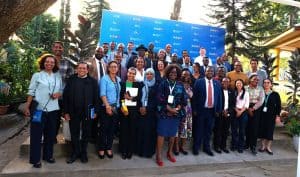
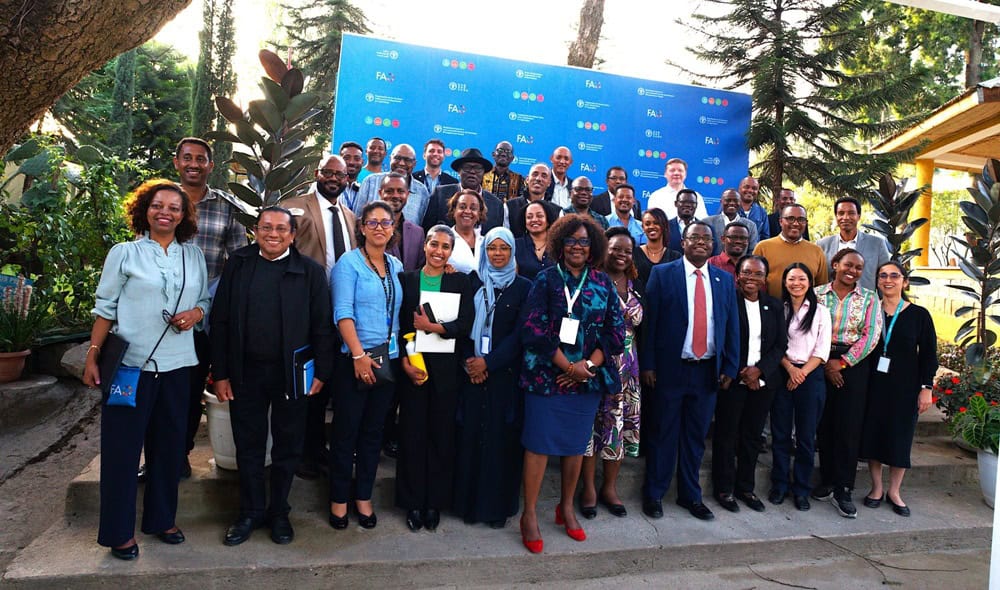
The priorities emerged from a two-day meeting organised by the Food and Agriculture Organization of the United Nations (FAO), which brought together representatives from eight Eastern African countries to discuss ways of translating climate commitments into practical programmes and investments.
Held online on November 23–24, 2026, the 20th Multidisciplinary Team Meeting of FAO’s Subregional Office for Eastern Africa focused on attracting climate finance, strengthening preparedness for extreme weather events and expanding agricultural innovations that can help communities cope with climate-related challenges.
The meeting brought together FAO representatives and technical officers from Djibouti, Eritrea, Ethiopia, Kenya, Rwanda, Somalia, South Sudan and Uganda, alongside colleagues from FAO’s regional office for Africa and headquarters.
According to FAO, discussions focused on identifying investment opportunities that can strengthen agricultural production while addressing growing climate risks across the region.
Abebe Haile-Gabriel, FAO Regional Representative for Africa, emphasised the importance of identifying challenges early and improving collaboration between country offices and other levels of the organisation to accelerate programme delivery.
He highlighted four areas for Eastern Africa: resilience and long-term transformation, stronger regional cooperation, increased investment and partnerships, and the use of science, innovation and digital solutions.
Preparing agriculture for climate risks
Climate-related emergencies, including droughts and floods, remain major concerns for agricultural production and food security across Eastern Africa.
During the meeting, participants reviewed the regional El Niño outlook and discussed how countries could strengthen preparedness and response measures.
Countries also shared experiences in responding to droughts and floods, including lessons on fundraising and coordination.
An Innovation Marketplace provided an opportunity for FAO country offices to showcase climate-related technologies and innovations, while discussing how successful approaches could be expanded to benefit more communities.
The discussions also examined how national agricultural programmes could better align with regional commitments, including the Kampala Declaration and FAO’s Hand-in-Hand investment priorities.
Focus on financing agricultural transformation
Beyond preparedness, participants highlighted the need to secure sufficient financing to turn climate-resilience plans into practical interventions.
Countries presented their priority climate investments, while discussions explored how agricultural proposals could become attractive and financially viable for potential investors.
The meeting examined climate and environmental finance, blended financing approaches and the institutional capacity required to mobilise and effectively use available resources.
FAO said stronger investment-ready programmes would be necessary to translate existing climate commitments into tangible results across the region.
Farayi Zimudzi, FAO Subregional Coordinator for Eastern Africa, said the organisation’s work over the past two decades had evolved alongside the region’s changing challenges, moving from emergency response and resilience-building towards partnerships, innovation, transformation and climate action.
She also highlighted stronger partnerships with governments and regional institutions, evidence-based approaches and collaboration as important achievements of the initiative.
Looking towards COP32
The discussions come ahead of COP32, scheduled to take place in Addis Ababa, Ethiopia, in 2027.
Participants reviewed lessons from COP31 and explored how Eastern African countries could strengthen regional coordination and present their agricultural priorities, solutions and investment opportunities at the upcoming climate conference.
FAO said the meeting concluded with a renewed commitment to joint action and accountability, with country offices, the subregional office, the regional office and headquarters expected to work together to implement agreed priorities and monitor progress.
For Eastern Africa, the challenge will be turning these regional commitments into adequately financed programmes that help farmers and agricultural communities withstand climate shocks while supporting long-term food security and sustainable agricultural production.
About The Author


SUBSCRIBE TO OUR NEWSLETTER