Kamonyi: Farmers Briefed on How Proper Fertiliser Use and Poultry Farming Can Transform Livelihoods
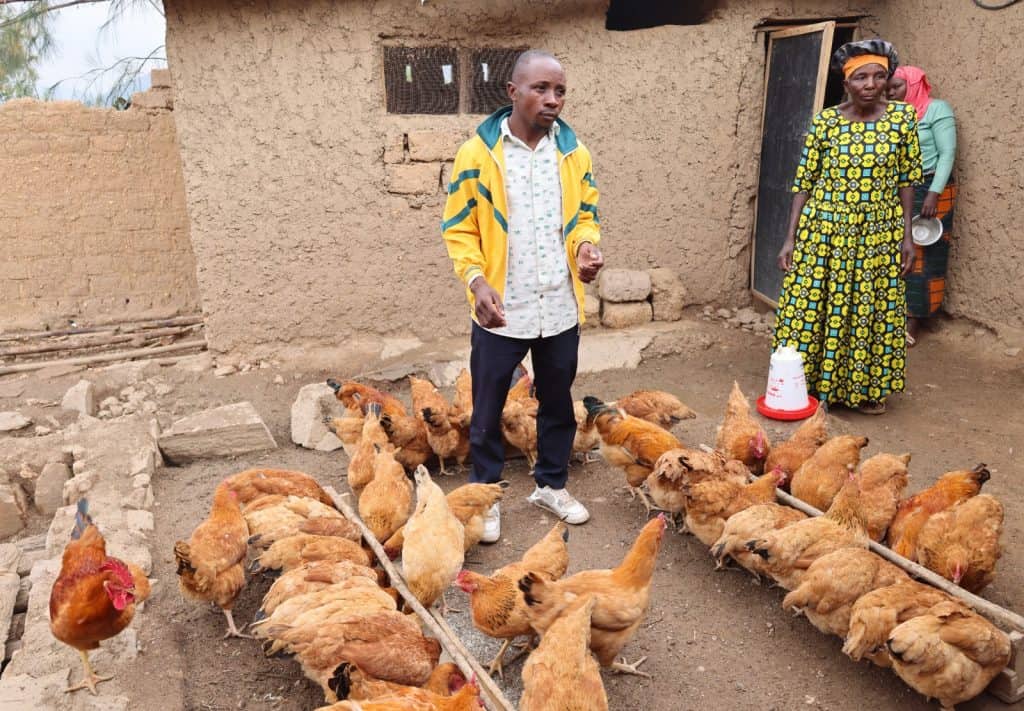
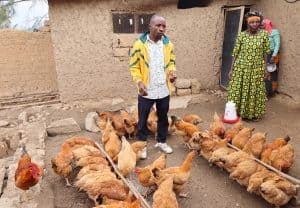
Innocent Nsanzimihigo, a member of INDATWA ZA KAMONYI Cooperative, which operates in Rugarika, Nyamiyaga and Mugina sectors, particularly in Gacaca Zone, Group One.
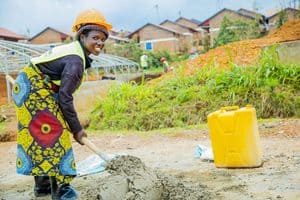
Farmers in Kamonyi district are discovering how proper fertiliser use and poultry farming can work together to increase crop production, generate additional income and transform household livelihoods, as beneficiaries of the Sustainable Agricultural Intensification and Food Security Project, Phase II (SAIP II), share experiences demonstrating how knowledge, skills and complementary farming enterprises can turn agriculture into a more productive and profitable business.
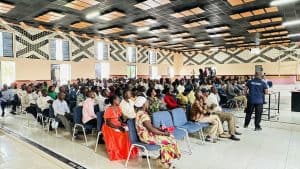
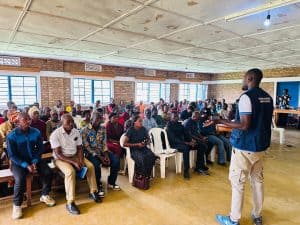
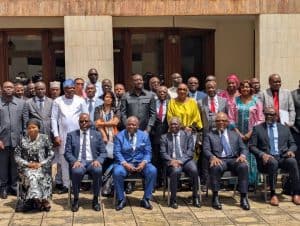
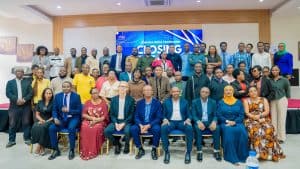
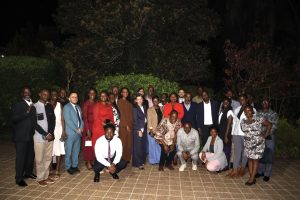
The lessons emerged during a farmer-to-farmer knowledge-sharing event held on which brought together farmers and leaders from four SAIP II beneficiary cooperatives: KABIYAKI, INDATWA ZA KAMONYI, KOUBITE and COAMALEKA.
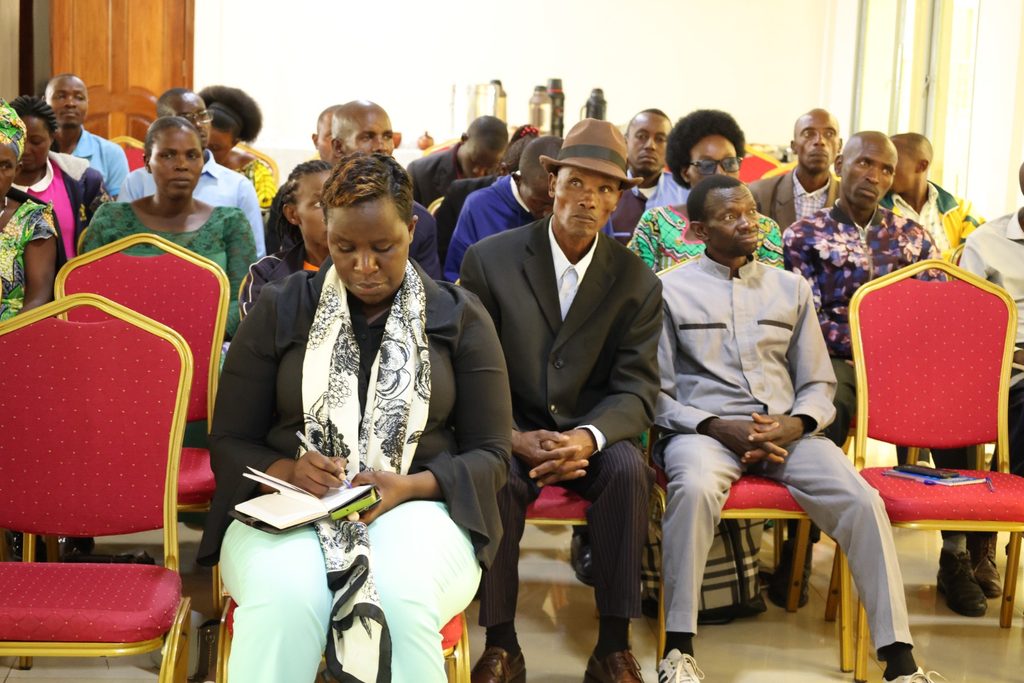
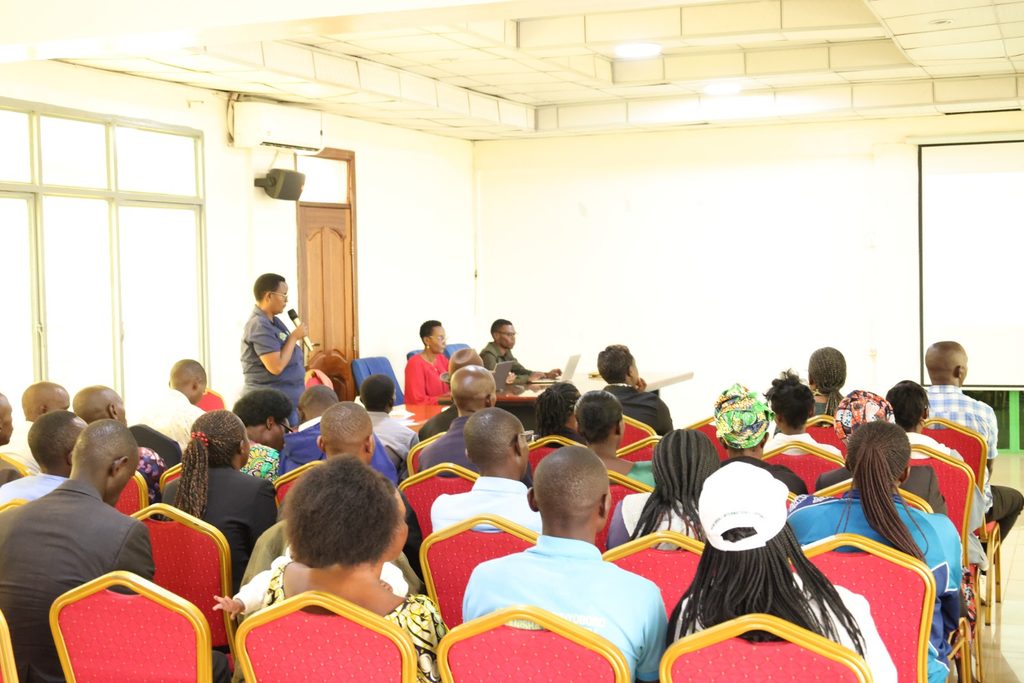
The event provided a platform for farmers to exchange practical experiences, showcase achievements, discuss challenges and learn from successful approaches adopted by fellow cooperative members.
Among the farmers whose experiences illustrated the impact of the project was Innocent Nsanzimihigo, a member of INDATWA ZA KAMONYI Cooperative, which operates in Rugarika, Nyamiyaga and Mugina sectors, particularly in Gacaca Zone, Group One.
He explained that before receiving support from SAIP II, farmers cultivated maize, beans and vegetables in marshlands but lacked adequate knowledge of preparing and applying organic manure effectively.
Although they used manure from livestock, they did not understand how to maximise its benefits for soil fertility and crop production. Consequently, their harvests remained between 50 and 60 kilogrammes per are.
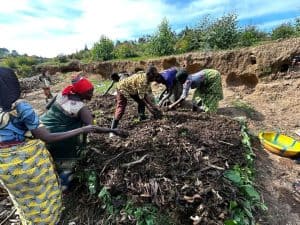
However, training provided through SAIP II on preparing organic fertiliser using grasses, ash and animal waste helped them improve soil management and increase agricultural productivity.
“SAIP came when we were cultivating maize, beans and vegetables in the marshlands. We used manure from cows, but we did not know how to use it properly. We used to harvest between 50 and 60 kilogrammes per are. After SAIP trained us to prepare manure using grasses, ash and animal waste, our production increased significantly. We now harvest between 85 and 90 kilogrammes per are,” He said.
Beyond increasing crop production, Nsanzimihigo said the knowledge and improved agricultural performance encouraged him to join a savings group with other farmers, enabling them to mobilise resources and invest in income-generating activities.
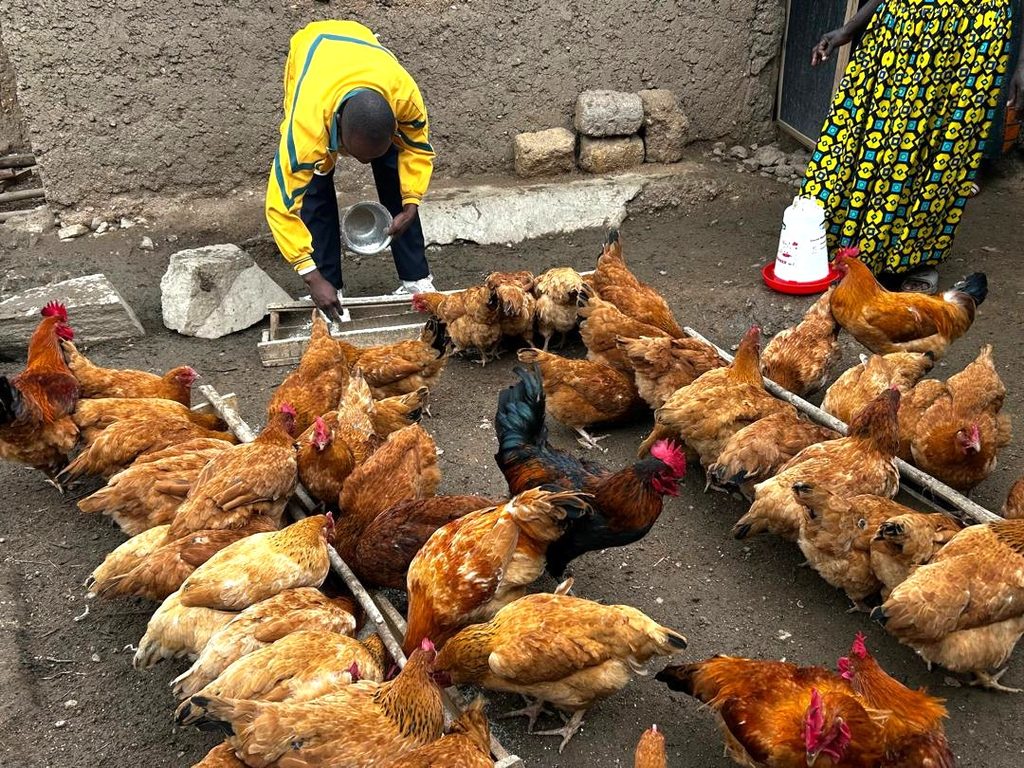
He subsequently ventured into poultry farming, starting with 100 chicks. The business has since grown alongside his crop production activities, creating a complementary relationship between livestock and agriculture.
He currently orders up to 500 chicks and cultivates approximately 30 ares of land, applying about 1.5 tonnes of manure to each farming block.
According to him, poultry farming provides additional income through the sale of mature chickens, while manure from livestock helps improve soil fertility and supports crop production.
He explained that when chickens mature, he sells some of them and uses the proceeds to reinvest in agricultural activities and expand his poultry business.
Access to improved seeds, training in fertiliser application and practical skills in organic manure production are among the interventions he credits for his progress.
Looking ahead, he aims to expand his poultry enterprise to 3,000 chickens and increase maize production to 100 kilogrammes per are.
“My goal is to reach 3,000 chickens and harvest about 100 kilogrammes of maize per are,” he said.
His experience illustrates how integrating crop production with poultry farming can create additional income streams while supporting more sustainable agricultural practices.
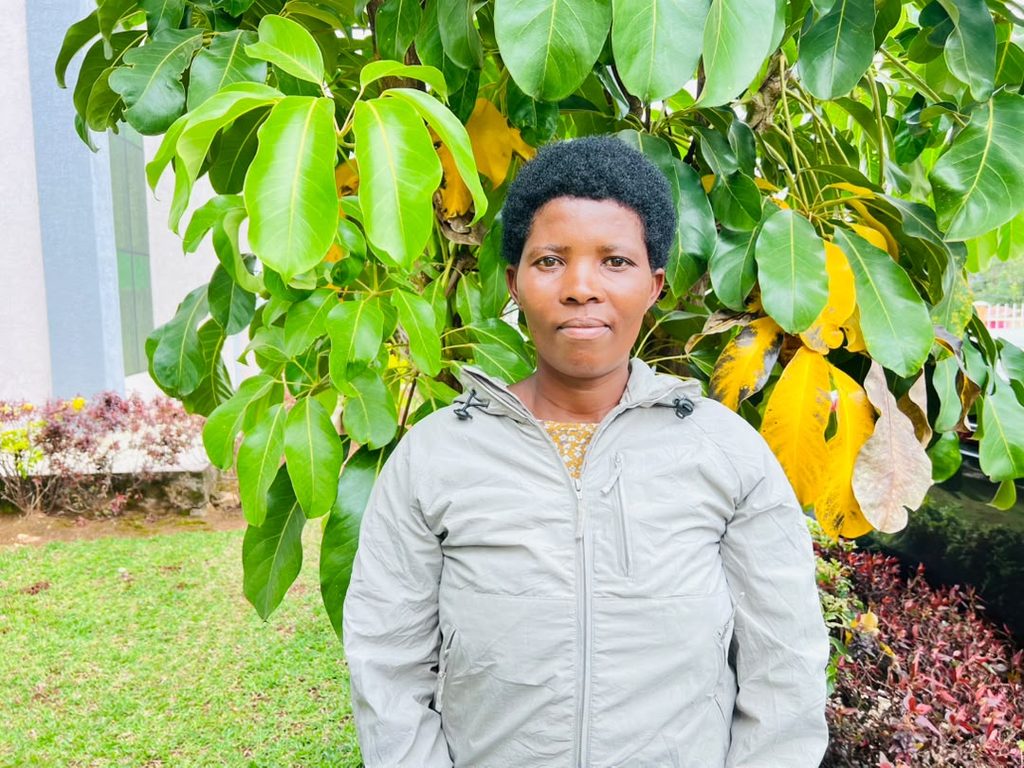
Valantine Nikuze, a member of KOUBITE Cooperative, which grows maize, beans and onions, also highlighted how SAIP II has helped farmers overcome fear of investing in agriculture and become more confident in developing their own businesses.
She explained that before the project intervened, many farmers were hesitant to approach financial institutions to seek loans that could help them establish or expand income-generating activities.
However, the training and support provided through the project encouraged them to become more proactive, explore investment opportunities and take steps towards improving their livelihoods.
“Before SAIP came, we were afraid and could not even approach financial institutions to seek loans that would help us start businesses. After the project came, we overcame that fear and started taking action,” she said.
Nikuze also pointed to improved fertiliser application as one of the major factors behind increased agricultural production, explaining that farmers had experienced a significant difference after learning how to use agricultural inputs properly.
“There is a big difference between the period before we started working with SAIP and now. Our production has increased because we have learned how to apply fertiliser properly,” She said.
She further commended the project’s support in postharvest handling and market access, noting that farmers had acquired knowledge and skills to preserve their produce and improve their opportunities to sell it.
Currently cultivating approximately 10 ares, Nikuze said the knowledge-sharing event had given her and other participants an opportunity to learn practical lessons from fellow farmers, which they intend to apply in their respective cooperatives.
The exchange also encouraged participants to take the knowledge gained back to their communities and share it with other members, strengthening collective learning and cooperation.
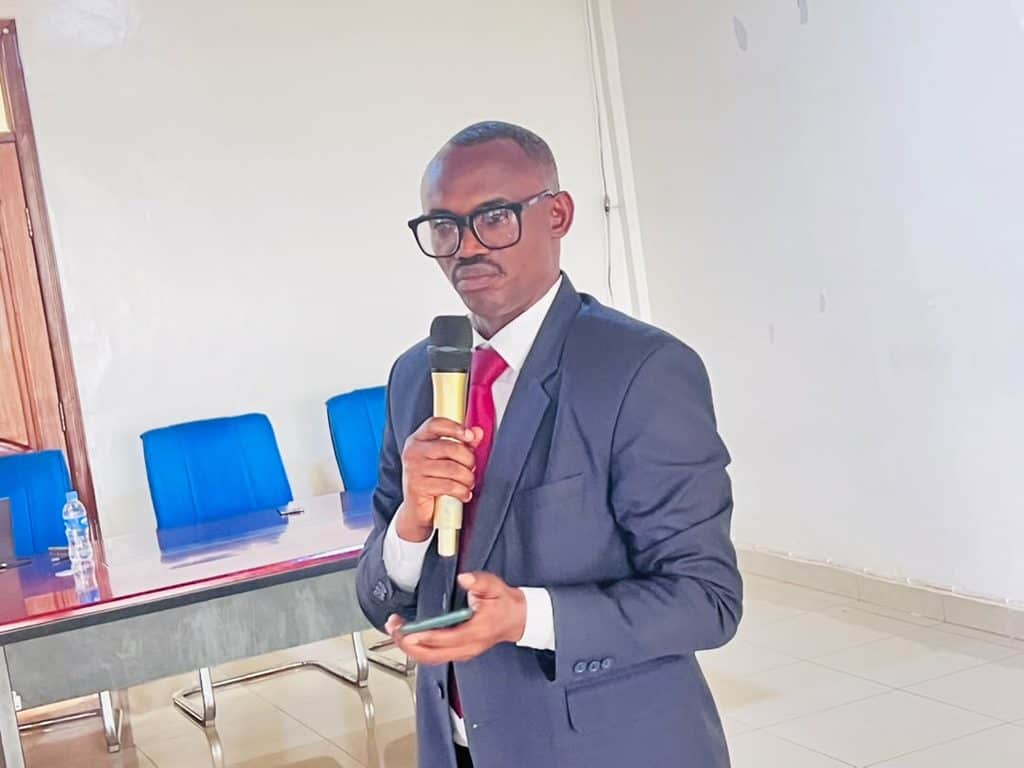
Addressing participants, Niyongira Uzziel, vice mayor in charge of economic development of Kamonyi district in, emphasised that the infrastructure, training and other resources provided through SAIP II should be regarded as investments belonging to all cooperative members, rather than the property of project officials or cooperative leaders alone.
He urged farmers to take responsibility for protecting and maintaining the facilities and resources they have received to ensure that they continue generating benefits even after the project ends.
“Development is everyone’s responsibility. The infrastructure that has been constructed belongs to you, the farmers; it does not belong to the project. The project will eventually come to an end and leave these facilities in your hands. That is why every cooperative member should take ownership of them, protect them and ensure that they continue generating sustainable benefits,” He said.
The vice mayor commended SAIP II for its interventions in Kamonyi since 2023, highlighting the importance of professional farming in driving local economic development.
He encouraged beneficiaries to continue applying the knowledge and skills acquired through training, maintain the infrastructure and equipment provided, and work collectively to ensure that the investments deliver lasting benefits to their communities.
Since its implementation in 2023, SAIP II has supported farmers in Kamonyi through interventions designed to increase agricultural productivity, improve market access and strengthen food security.
The project operates through four main components including institutional strengthening, agricultural productivity enhancement and nutrition improvement, irrrigation and Wlwater use efficiency and market linkages, value addition and project management.
Under these components, farmers have received training in modern agricultural practices, climate-smart agriculture, integrated pest and disease management, sustainable soil fertility management, cooperative leadership, agribusiness and postharvest handling.
Across the four beneficiary cooperatives, the project recorded 1,418 training participations, reflecting farmers’ involvement in different capacity-building sessions.
It also distributed agricultural equipment, vegetable seeds, organic manure and 63,100 fruit seedlings to promote agricultural diversification and increase production.
The seedlings comprised 20,000 avocado trees, 31,100 other fruit trees and 12,000 passion fruit plants, helping farmers diversify their agricultural activities and create opportunities for additional income.
In irrigation development, SAIP II strengthened Water Users Associations (WUAs) and supported the rehabilitation and improvement of existing irrigation infrastructure.
A total of 108 WUA members, including 65 men and 43 women, received training in irrigation scheme operation and management across four associations.
The project also invested RWF 6 million in rehabilitating irrigation infrastructure across four schemes to improve water distribution and farmers’ access to irrigation services.
Additionally, two cooperatives, one company and seven individual farmers received support in preparing applications for subsidised small-scale irrigation technologies.
To strengthen agricultural value chains and improve market access, the project distributed 149 postharvest handling sheets to four cooperatives: KOUBITE, KABIYAKI, INDATWA ZA KAMONYI and COAMALEKA.
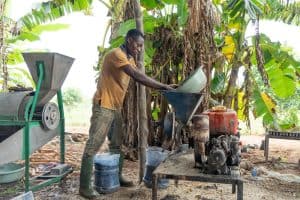
It also supported investments in maize drying facilities, onion storage infrastructure and postharvest handling equipment to help cooperatives preserve their produce, reduce losses and improve the quality and value of agricultural products.
About The Author


SUBSCRIBE TO OUR NEWSLETTER