Muhanga: Farmers Ready to Apply Lessons Learned to Boost Incomes and Expand Cooperatives
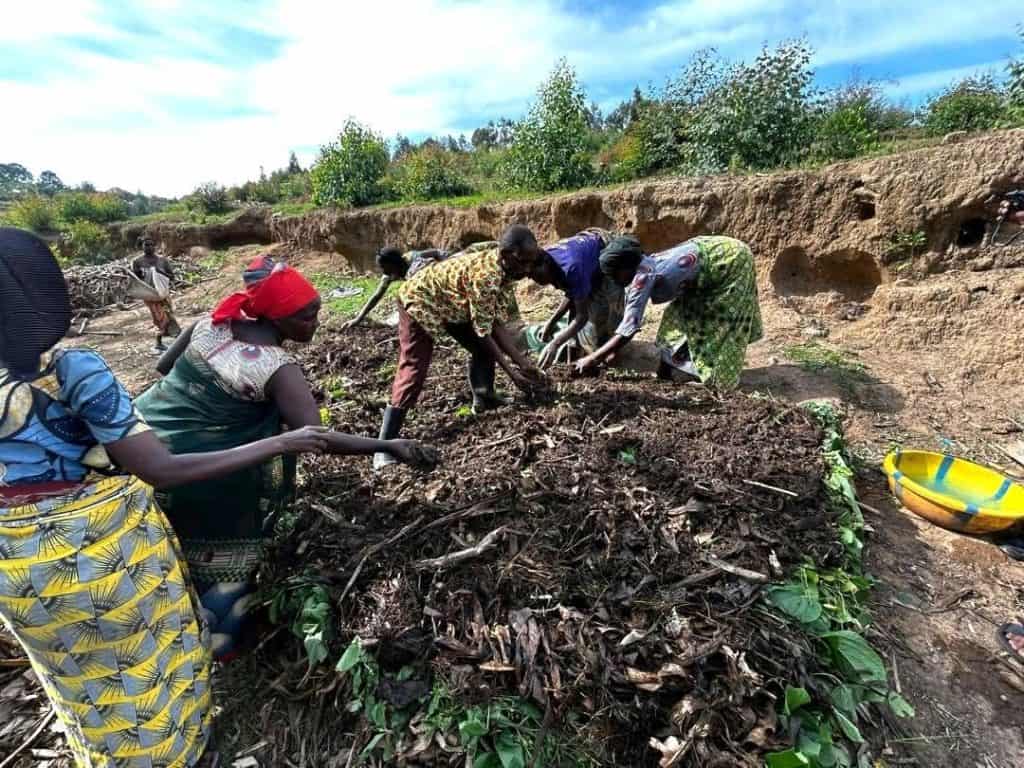
Farmers in Muhanga district are determined to apply the agricultural knowledge and practical skills gained through experience-sharing sessions to improve farming practices, increase production, boost household incomes and strengthen their cooperatives.
Their commitment, inspired by the success stories and lessons shared by beneficiaries of the second phase of the Sustainable Agricultural Intensification and Food Security Project (SAIP II), highlights the potential of knowledge exchange and collective investment to transform agriculture into a more productive and profitable business.
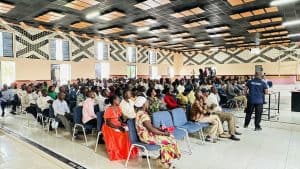
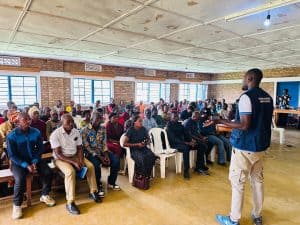
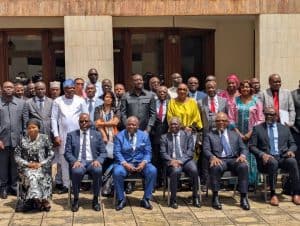
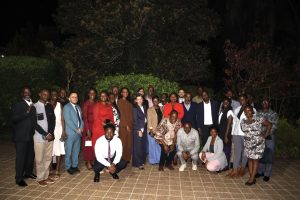
The farmers shared their experiences during farmer-to-farmer knowledge sharing sessions that brought together members of TUZAMURANE CYEZA, KORA UBEHO CYEZA, KOTUBUSINDI and COIABNDI cooperatives. The discussions provided an opportunity to reflect on achievements, address persistent challenges and identify practical strategies for strengthening cooperative management, increasing agricultural output and improving household livelihoods.
Through testimonies and open discussions, participants highlighted the benefits of agricultural training, improved inputs, organic fertiliser production, market access and collective investment in building resilient and commercially oriented farming enterprises.
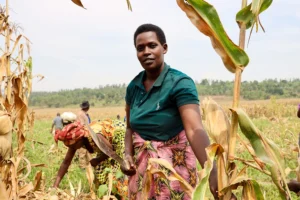
One of the cooperatives whose progress illustrated the impact of these interventions was TUZAMURANE CYEZA, which reported increased vegetable and maize production alongside a substantial rise in the amount of organic manure produced by its members.
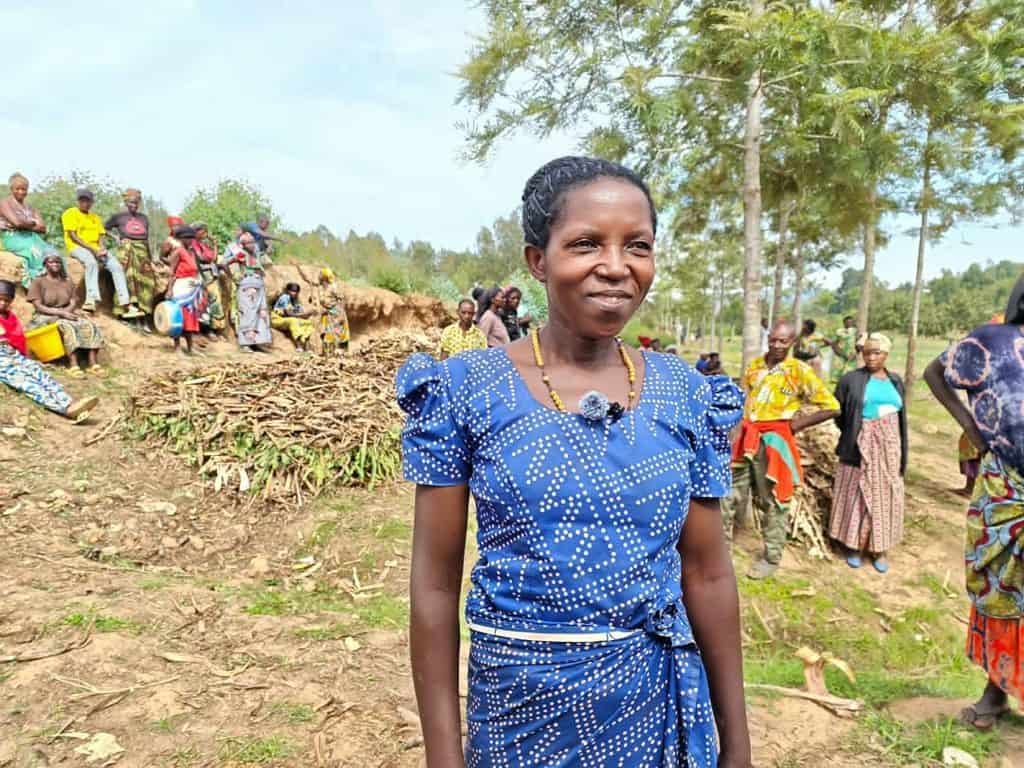
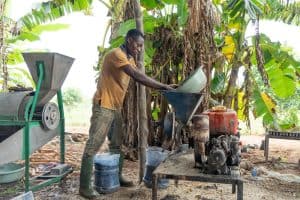
Beatha MUKARUSHEMA, a member TUZAMURANE CYEZA Cooperative and secretary of the TERIMBERE MUTEGARUGORI group. She said collaboration with SAIP II had helped members improve their farming methods, particularly by equipping them with the knowledge to produce their own organic fertiliser rather than relying entirely on supplies from outside the cooperative.
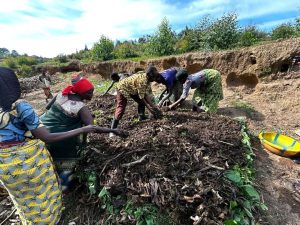
She explained that producing organic manure locally had helped address fertiliser shortages that previously delayed land preparation and planting. Members can now prepare their fields and begin farming activities on time, reducing the time and resources spent searching for fertiliser while improving crop production.
The cooperative has recorded significant changes in output following improvements in its farming practices. According to Beatha, production that initially stood at 23 tonnes increased to 123 tonnes in an earlier phase before reaching 480 tonnes of vegetables. The cooperative also recently supplied 203 tonnes of maize.
Organic manure production has similarly increased, rising from 78 tonnes annually at the beginning of the initiative to 483 tonnes, strengthening the cooperative’s capacity to meet its fertiliser needs while creating opportunities to generate additional income.
Beatha also highlighted the importance of market access, explaining that SAIP II not only trained members in organic manure production but also helped the cooperative find a buyer for the fertiliser, enabling them to turn their skills into a potential source of revenue.
The cooperative’s experience demonstrated to other farmers that combining technical training, improved agricultural practices, locally produced fertiliser and reliable markets can increase productivity while strengthening the commercial sustainability of farming activities.
COIABNDI, is another cooperative that shared its experience, operates in different parts of Muhanga District, growing Irish potatoes and rotating crops with maize and beans.

Vedaste MABANO, the cooperative’s president, said SAIP had become an important partner in the cooperative’s transformation by providing agricultural training, improved seeds, fertiliser support and opportunities for members to learn from other farmers.
“SAIP has been a good partner. It trained us in farming, land preparation and post-harvest handling. It also supported us with quality Irish potato seeds and fertiliser, while teaching us how to produce organic manure. We have also participated in different study visits,” he said.
Vedaste explained that the cooperative previously struggled with limited agricultural knowledge, which affected its performance and credibility. Following the training, members gained a better understanding of farming techniques and cooperative management, giving them greater confidence to improve their operations.
He said the cooperative was committed to applying the knowledge gained through the project to sustain its achievements, increase production and expand its agricultural business.
Collective investment has also played a major role in the cooperative’s development. Vedaste said SAIP provided RWF 65 million towards the construction of a potato storage facility, while members contributed an additional RWF 7.2 million. After the existing storage facilities were found to be inadequate, the project embarked on constructing a new facility valued at more than RWF 72 million.
The cooperative has also approached financial institutions to explore loan opportunities that could help expand its agricultural activities and strengthen its business operations.
Vedaste further explained that training in financial management had helped address losses associated with weaknesses in financial record-keeping and the handling of cooperative funds. Improved accountability enabled members to address these challenges and recover funds that had previously gone missing.
According to the figures he provided, COIABNDI has approximately 160 members, including 90 men and 60 women, with about 40 young people among its membership. The cooperative has also accumulated savings of approximately RWF 6 million.
The experiences shared during the sessions highlighted the importance of combining agricultural knowledge with effective financial management, accountability and investment in infrastructure to build stronger cooperatives capable of expanding their activities and improving members’ livelihoods.

Closing the discussions, Muhanga district ‘s vice mayor in charge of economic development, Bizimana Eric emphasised that the long-term success of SAIP II would depend on how beneficiaries apply the knowledge they have acquired and maintain the equipment and infrastructure provided through the project.
He urged farmers to apply the fertiliser-management skills they had gained, particularly in producing and using organic manure, to ensure crops receive the nutrients required for healthy growth and improved productivity.
“You have received training on the proper use of fertilisers, including how to produce organic manure. I urge you to apply this knowledge in your fields and take good care of your crops so they receive the nutrients they need to grow well and produce more. Proper fertiliser use is essential to increasing agricultural productivity,” He said.
He also encouraged cooperatives to make effective use of infrastructure established through SAIP II, particularly maize-drying facilities and other post-harvest facilities intended to improve produce handling, reduce losses and increase the value of agricultural products.
“These facilities belong to you. They were established to serve your cooperatives and support the development of your agricultural activities. Use them properly, protect them from damage and make the most of the opportunities they provide,” He said.
He called on cooperative members to safeguard all equipment and infrastructure received through the project, stressing that these assets should continue supporting their agricultural businesses beyond the project’s implementation period.
Proper maintenance and effective use of the facilities, he added, would help cooperatives expand their commercial activities, strengthen food security, create employment opportunities and increase household incomes in the long term.
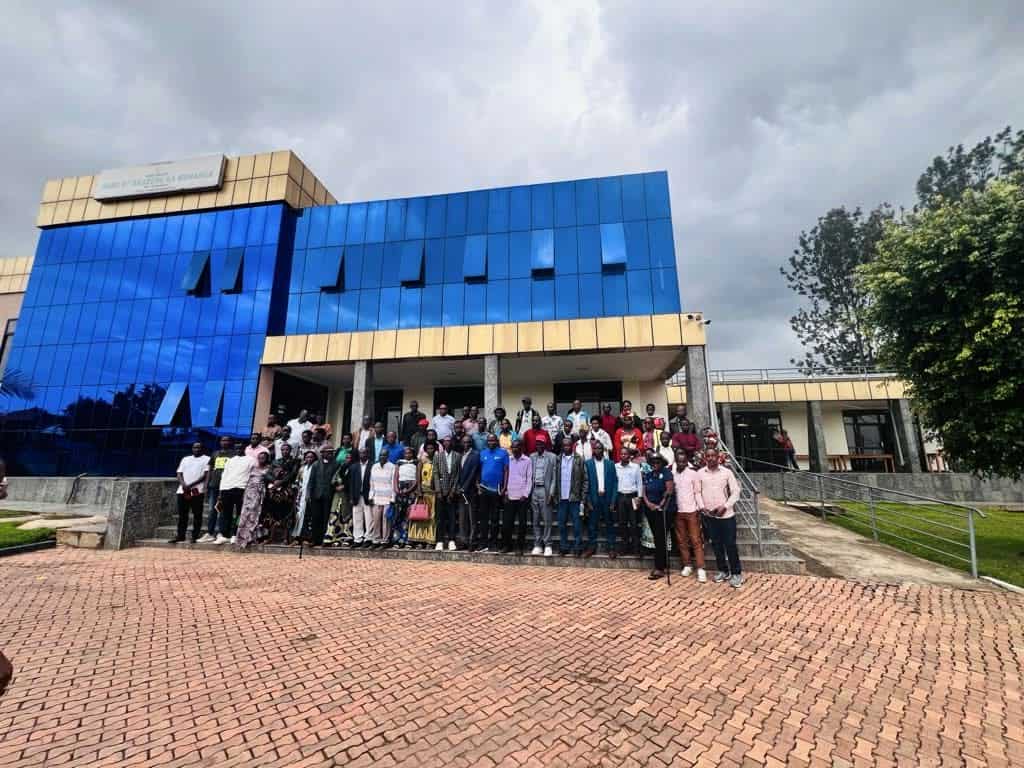
SAIP II has supported four cooperatives KORA UBEHO, KOTUBUSINDI, KOIABNDI and TUZAMURANE CYEZA with agricultural inputs, including crop seeds, organic manure and lime to improve soil conditions over its three years of implementation.
The project has also distributed 517 hoes, 440 sprayers, 328 watering cans, 303 sickles, 272 water pumps and 139 wheelbarrows to support farming operations, ease agricultural work and improve production efficiency.
About The Author


SUBSCRIBE TO OUR NEWSLETTER