Rwanda Inclusive Education Project Targets 12,030 Beneficiaries, with 10 Schools Set for Transformation
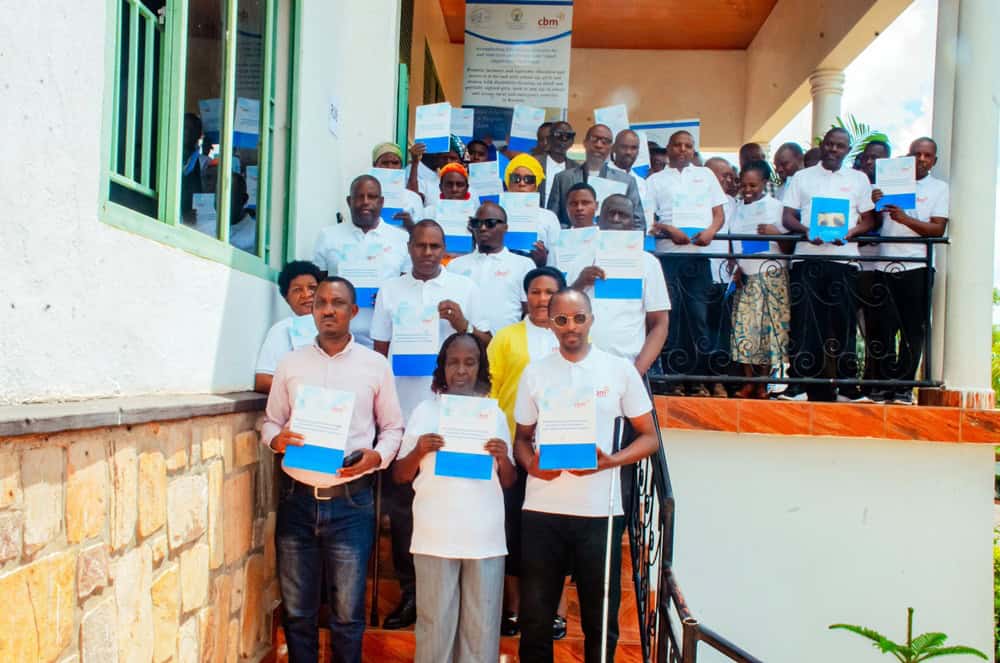
GATSIBO, Rwanda — November 20, 2026 — A three-year initiative led by the Rwanda Union of the Blind (RUB) is setting out an ambitious plan to widen education access for girls and women with visual impairments, combining support for learners with changes in schools, teacher training and community engagement.
The project, “Strengthening Educational Inclusion for and with Girls and Women with Visual Impairments in Rwanda,” will run from 2026 to 2028 in Gatsibo and Musanze districts, with support from Christian Blind Mission (CBM) Rwanda. Its design links direct assistance to girls and women who are blind or partially sighted with efforts to make schools and communities more inclusive.
More than 12,000 people targeted across two districts
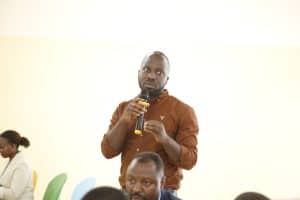
According to the project presentation delivered by RUB Executive Director Mugisha Jaques, the initiative targets 12,030 beneficiaries across the two districts. The presentation sets a target of 70 percent female participation.
Project reach at a glance
Figures are project targets presented by RUB, not achieved results.
In Gatsibo, the target is 6,015 beneficiaries, comprising 315 direct beneficiaries and 5,700 indirect beneficiaries. Direct support is planned for girls and women with visual impairments at different education levels, including nursery, primary and secondary school, as well as those receiving home-based support or vocational and professional skills development.
Ten schools planned as inclusive models
A central element of the project is to select five schools in each district and support them to become inclusive model schools. The work will build the capacity of school leaders and teachers in inclusive pedagogy and Universal Design for Learning, while helping schools identify learners with disabilities and improve their enrolment, attendance and learning experience.
In Gatsibo, the presentation sets a target of 100 school leaders and teachers from 10 target schools to be equipped with skills in inclusive education. The project also plans to train 90 parents and caregivers on equity, inclusion and support for children and young people with visual impairments at household level.
Planned school and family support in Gatsibo
School leaders and teachers
100 people
Parents and caregivers
90 people
Targets for Gatsibo District, as stated in the project presentation.
The initiative further intends to mentor and support ten women with visual impairments to become Trainers of Trainers. They are expected to share knowledge and contribute to sustained advocacy for equitable and inclusive education.
Community outreach extends beyond classrooms
The project recognises that school inclusion also depends on families, local leaders and the wider community. In Gatsibo, it aims to engage 600 community stakeholders, train 100 local leaders and community members to identify children and young people with disabilities, and reach 5,000 community members through awareness campaigns.
Other planned interventions include identifying out-of-school girls and women with disabilities, updating disability data with district authorities, radio discussions, community engagement and coordination among education actors. These activities are intended to strengthen referrals and encourage families to support girls’ enrolment and continued attendance.
District and education partners called on to coordinate
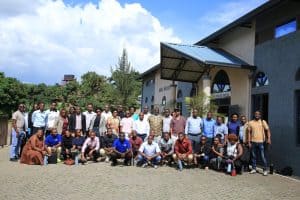
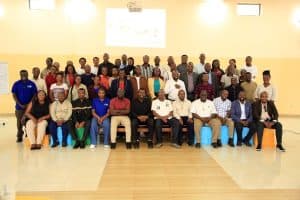
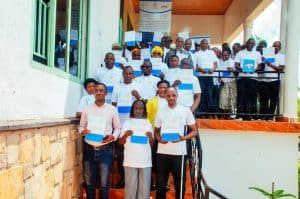
The project launch in Gatsibo was attended by Acting Mayor Ibingira Frank, Sector Education Inspectors from the district’s 14 sectors, education-sector partners, head teachers and district directors and officers.
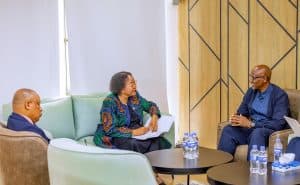
Ibingira welcomed the collaboration between Gatsibo District and RUB and appreciated the forthcoming project. Under the implementation framework presented by RUB, district authorities are expected to support coordination, share relevant data, facilitate engagement with sectors and schools, and help integrate inclusive education into district plans.
Schools and education actors are expected to identify learners with disabilities, support teacher participation in training, apply inclusive teaching approaches and take part in monitoring. Community organisations and families are also expected to help identify children who are out of school and encourage their participation in education.
Building capacity beyond the 2026–2028 project period
The project’s expected results include better identification of girls and women with disabilities, improved enrolment and retention, stronger learning outcomes, and increased knowledge among educators, local authorities and families about the rights of girls and women with visual impairments.
It also aims to strengthen RUB and the Masaka Resource Centre for the Blind (MRCB) so they can serve their members more effectively. The approach to sustainability relies on district ownership, continued inclusive teaching in participating schools, the example set by model schools and the ongoing contribution of women trained as Trainers of Trainers.
The targets and activities outlined in the presentation set out the scale of the planned work. Their impact will ultimately depend on implementation, coordination and whether the intended changes translate into accessible, supportive learning environments for girls and women with visual impairments.
Source: Project launch presentation by Rwanda Union of the Blind (RUB), delivered by Executive Director Mugisha Jaques. All figures are planned targets, not reported achievements.
About The Author


SUBSCRIBE TO OUR NEWSLETTER