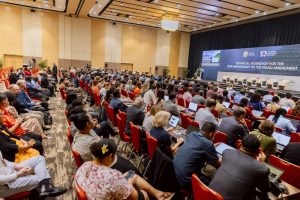
Auto-Formation is the Key to Staying Relevant, Father Servilien Ufitamahoro Tells National Decent Work Dialogue
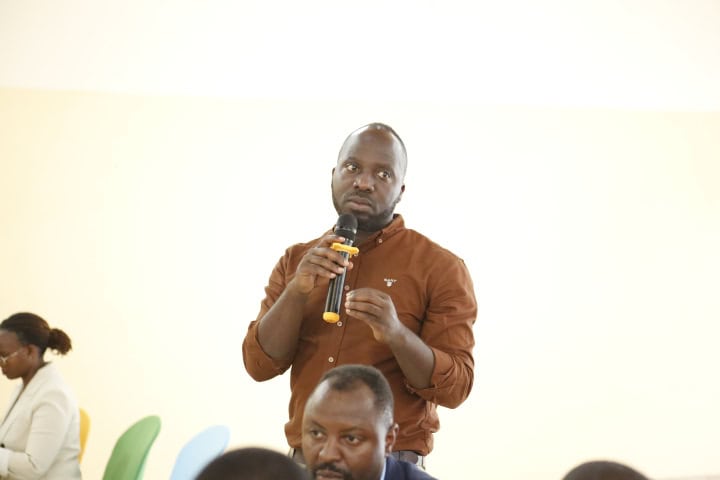
Director of the Salesian Planning and Development Office, Father Servilien Ufitamahoro
KIGALI – The Director of the Salesian Planning and Development Office, Father Servilien Ufitamahoro, has called on participants in the National Decent Work Dialogue to embrace continuous learning as a personal responsibility, saying formal qualifications alone are no longer enough to guarantee decent work.
Closing the event held in Kigali on Tuesday, 3rd November 2026, Fr. Ufitamahoro thanked Don Bosco Tech Africa, the sponsor of the training, and the organizing team for creating a platform that brought together civil society, private sector, public institutions, members of the media, employers, employees as well as TVET institutions.
Addressing the diverse audience, he said the skills shared during the sessions – from better training for work to the promotion of decent work standards – are of high value in today’s world because society increasingly demands practical competence, not just certificates.
Beyond the Degree
Fr. Ufitamahoro noted that while degrees and diplomas remain important, what differentiates professionals on the labour market is the additional, practical skills they acquire beyond formal schooling. He described this as auto-formation – the deliberate, self-driven effort to keep learning.
“Additional skills are something we must acquire through what we can call auto-formation. Upskilling or reskilling is something continuous. No one can sit and claim to know everything,” he told participants.
According to him, the modern labour market, shaped by technological shifts such as the move to electric mobility and digital work processes, requires every worker to continuously update their skill set.
From Training to Practice
Linking his message to the earlier session on Better Training for Work presented by Jean Yves Musabyimana and the group discussions on policy and youth employment, Fr. Ufitamahoro stressed that institutional reforms – improved TVET equipment, longer internships, stronger partnerships with industry, and financing mechanisms like the National Skills Development Fund – will only succeed if they are matched by individual commitment to learn and apply.
He said the value of the dialogue lies not in the discussions held in the room, but in the problems participants will solve afterwards using the knowledge gained.
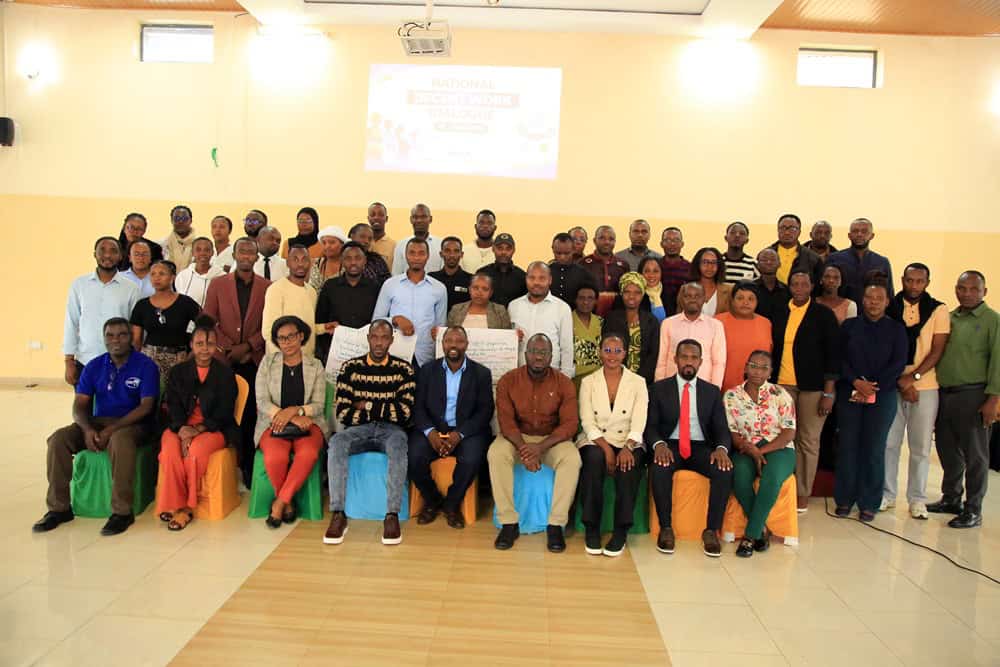
He assured participants that Don Bosco Tech Africa and the Planning and Development Office will continue to organize similar capacity-building opportunities, but emphasized that the immediate next step rests with the participants themselves.
“What you do with what you have learned to promote decent work in your own workplace, institution and community is what matters,” he said.
The forum, which brought together stakeholders from across the decent work ecosystem, concluded with a shared commitment to translate dialogue into concrete actions at enterprise and policy levels.
About The Author


SUBSCRIBE TO OUR NEWSLETTER