23 Teams Take Part in Rwanda Goalball Competition Phase II as Athletes Call for Better Sports Facilities
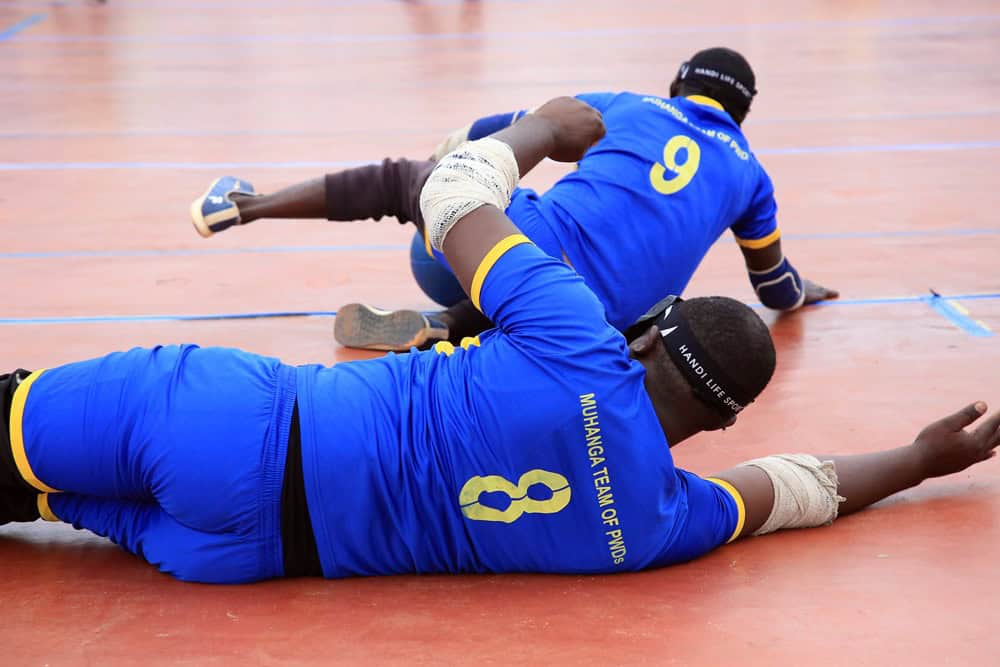
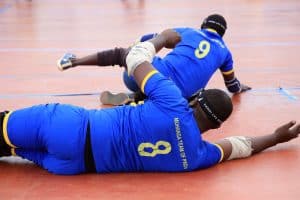
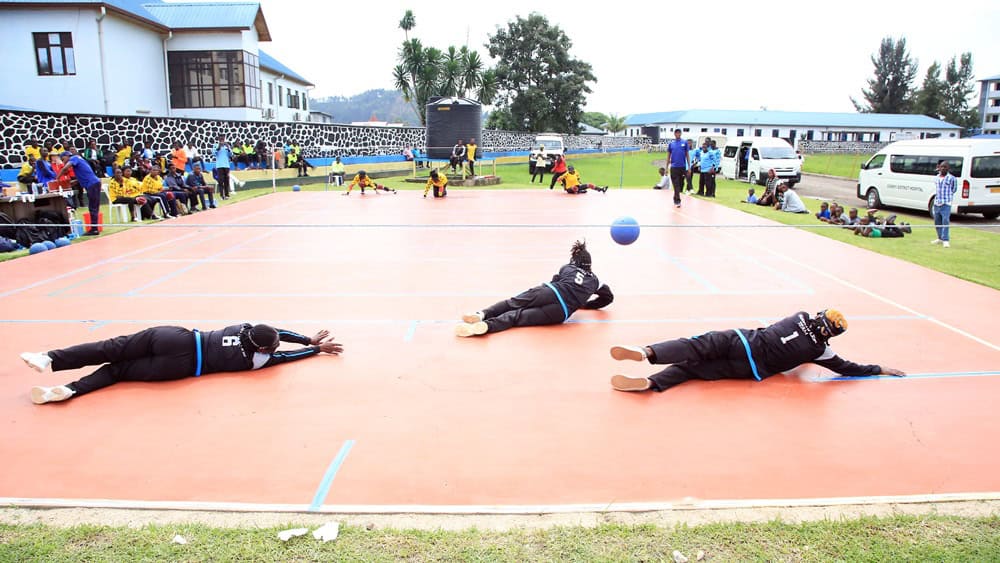
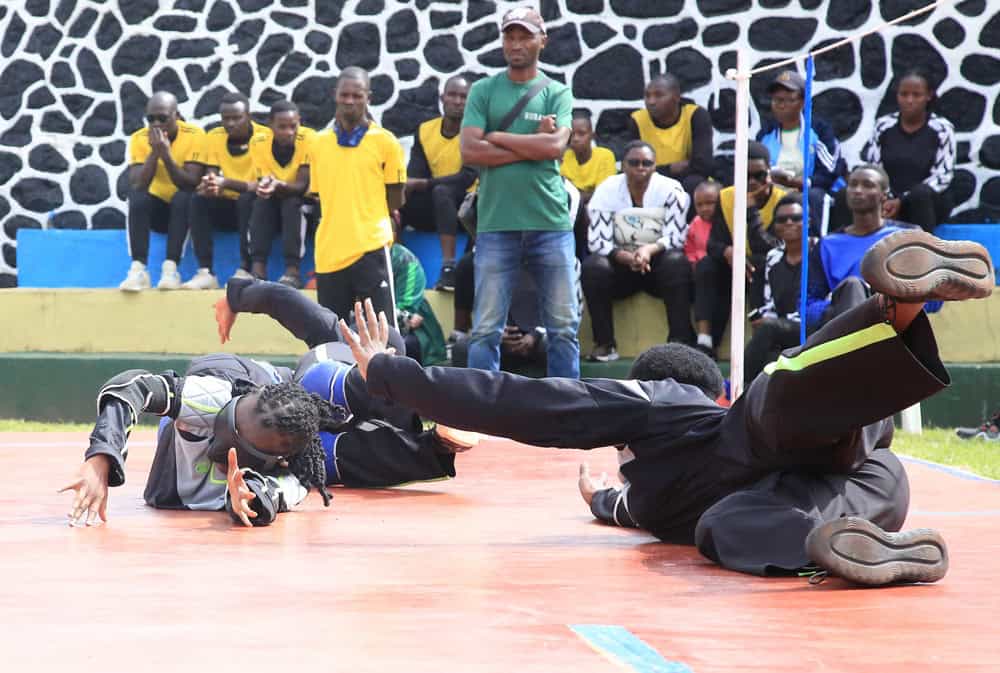
A player of Muhanga Team trying to save the Ball
MUSANZE, Rwanda – Twenty-three teams competed in the second phase of Rwanda’s Goalball competition over the weekend of November 21–22, 2026, at Ubworoherane Stadium in Musanze District, in an event that brought together athletes with visual impairments to promote sports participation, inclusion and personal development.
The competition attracted 14 men’s teams and nine women’s teams, providing an opportunity for young persons with visual impairments from different parts of the country to demonstrate their sporting abilities, build confidence and interact through sport.
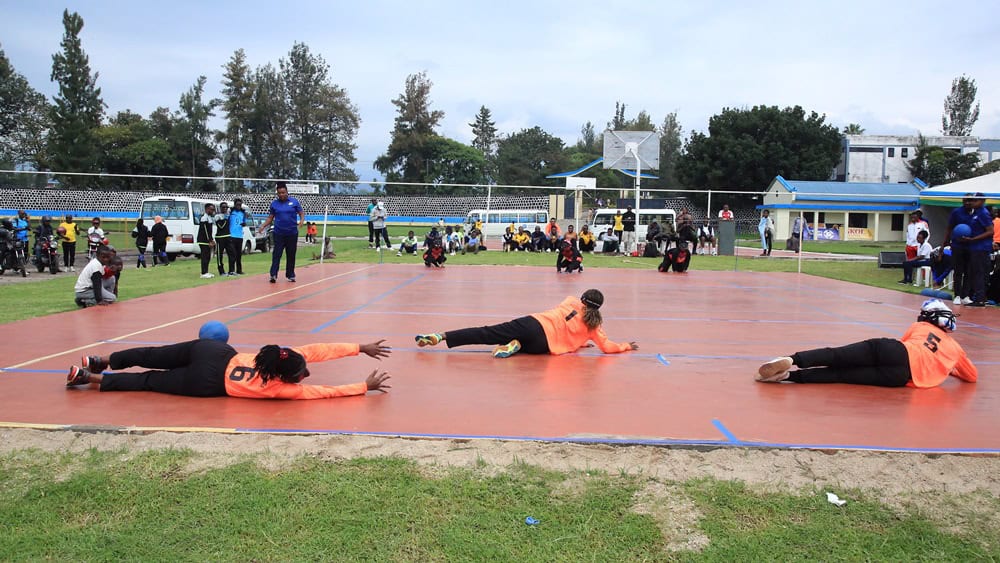
Organised by the National Blind Sports Association (NBSA Rwanda), in partnership with the Rwanda Union of the Blind (RUB), the event was hosted by Musanze District, with support from the Danish Association of the Blind.
It was held under the theme “Goalball for Change – Opportunities for Young Persons with Visual Impairment.”
Beyond the competition, the gathering provided a platform for discussions on the contribution of sports to the physical health, social inclusion and socio-economic empowerment of persons with visual impairments.
Athletes highlight the benefits of Goalball
For participants, Goalball represents more than a sporting activity. It offers opportunities to improve physical fitness, develop confidence, build friendships and, in some cases, access income-generating opportunities.
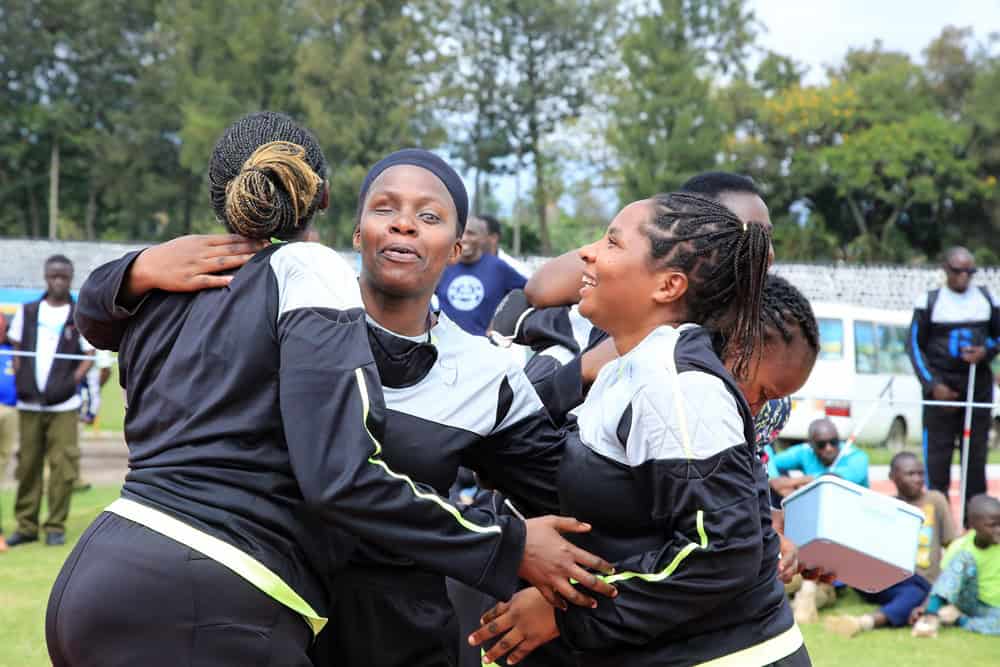
UWINEZA Emelyne, a member of the Musanze District team, said the sport has become an important source of happiness and improved well-being for persons with visual impairments.
“This sport is extremely important in our lives. We know that physical exercise is essential in our daily lives. It brings us happiness, gives us peace of mind and helps keep our bodies physically active,” she said.
She added that participation in the sport can also create opportunities for players to earn money and become more financially independent.
“Through playing this sport, a person can earn money to support themselves and address different personal needs,” Uwineza explained.
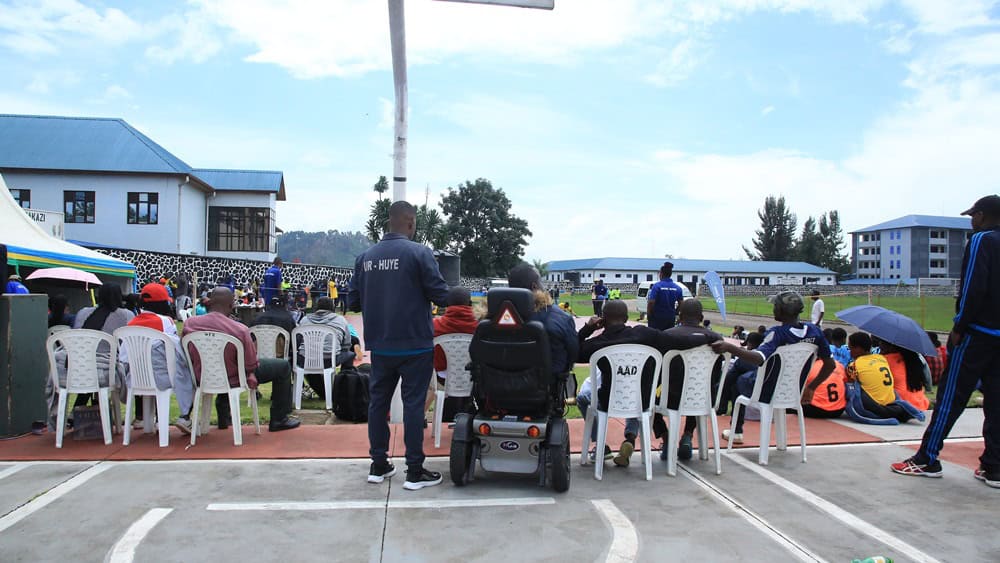
However, she raised concerns about the organisation of competitions during the rainy season, particularly the lack of appropriate indoor facilities.
She said heavy rainfall during the weekend made it difficult for players to follow the competition schedule, forcing them to play matches that had initially been planned for the following day.
“Competition organisers should first consider the prevailing weather conditions. During the rainy season, matches should be organised in covered facilities such as indoor sports halls. This past weekend, heavy rainfall made things very difficult. We had to play matches that were originally scheduled for the following day, which delayed our return home,” she said.
Uwineza also warned that wet and slippery playing surfaces could expose athletes to injuries.
She commended the Government of Rwanda for promoting the rights and opportunities of girls, particularly those with disabilities, while calling on parents to recognise the abilities and talents of children with disabilities and support them to develop their potential.
Sport helps overcome isolation
BIZAGWIRA Enock, a member of the Nyanza District team from Mukingo Sector, said Goalball has helped persons with visual impairments overcome social isolation and become more actively involved in society.
He welcomed the progress made in promoting the participation of persons with disabilities in national development, noting that sports provide opportunities for interaction, physical exercise and a sense of belonging.
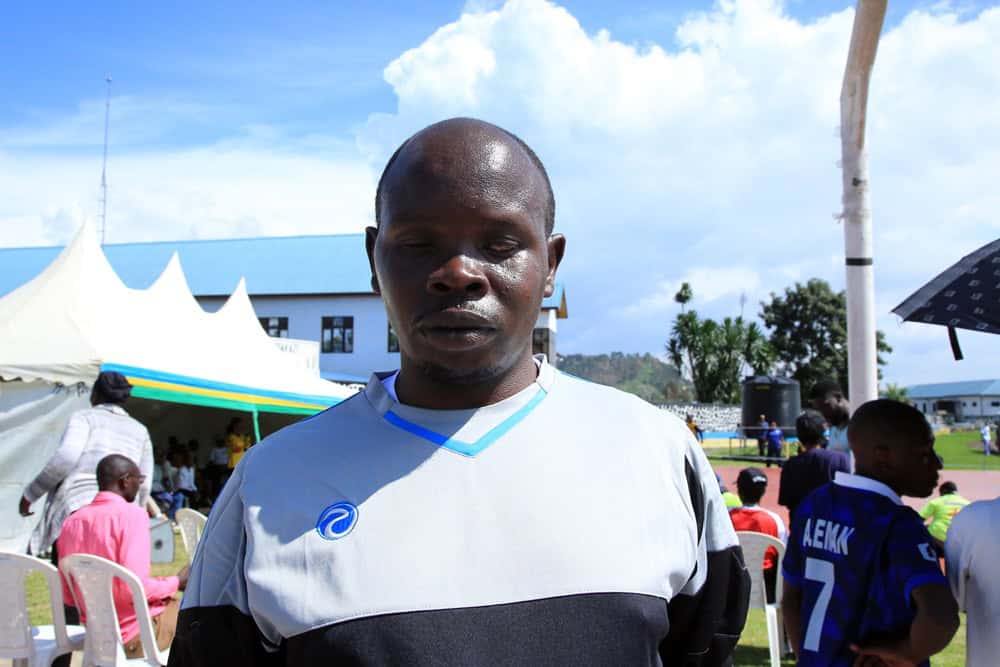
“I appreciate the leadership of Rwanda for the progress made in empowering persons with disabilities and enabling them to participate in the country’s development. Through sport, we can meet other people, overcome isolation and exercise our bodies. It makes us feel that we are not alone,” he said.
Nevertheless, Bizagwira identified inadequate sports infrastructure as one of the challenges affecting the development of Goalball, particularly the shortage of covered facilities that would allow competitions to continue during rainy weather.
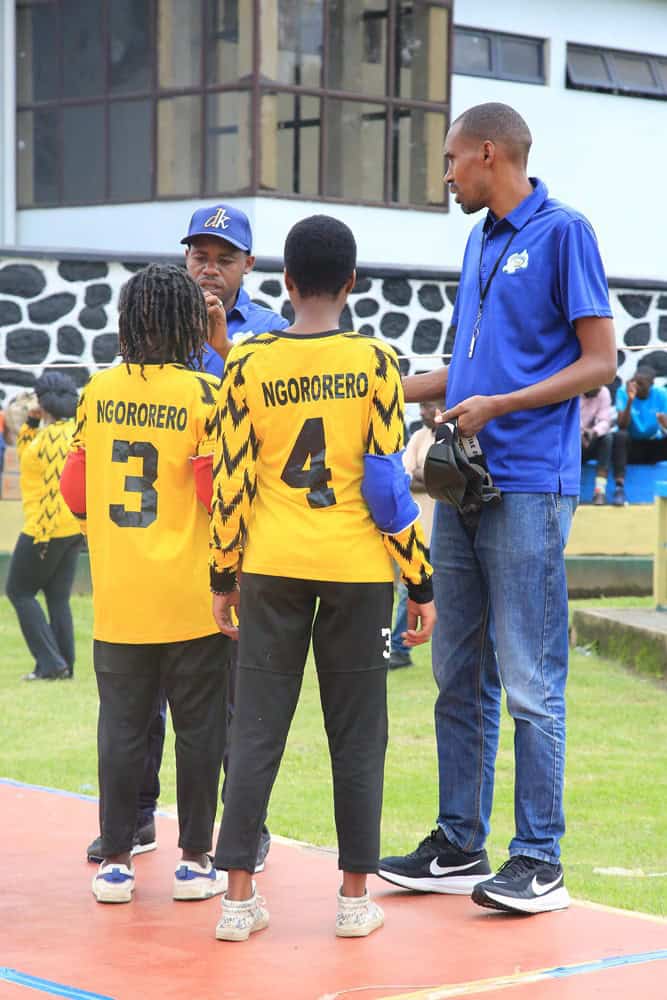
“We would like districts to construct covered sports facilities so that competitions can continue smoothly even when it rains or weather conditions change,” he said.
NBSA explains the importance of equal participation
BIREKERAHO Charles, a representative of the National Blind Sports Association (NBSA), explained that Goalball is an internationally recognised sport specifically designed for persons with visual impairments.
The game is played between two teams, with three players from each team on the court at a time. Players wear special blindfolds known as eyeshades to ensure equal playing conditions, regardless of their different levels of vision.
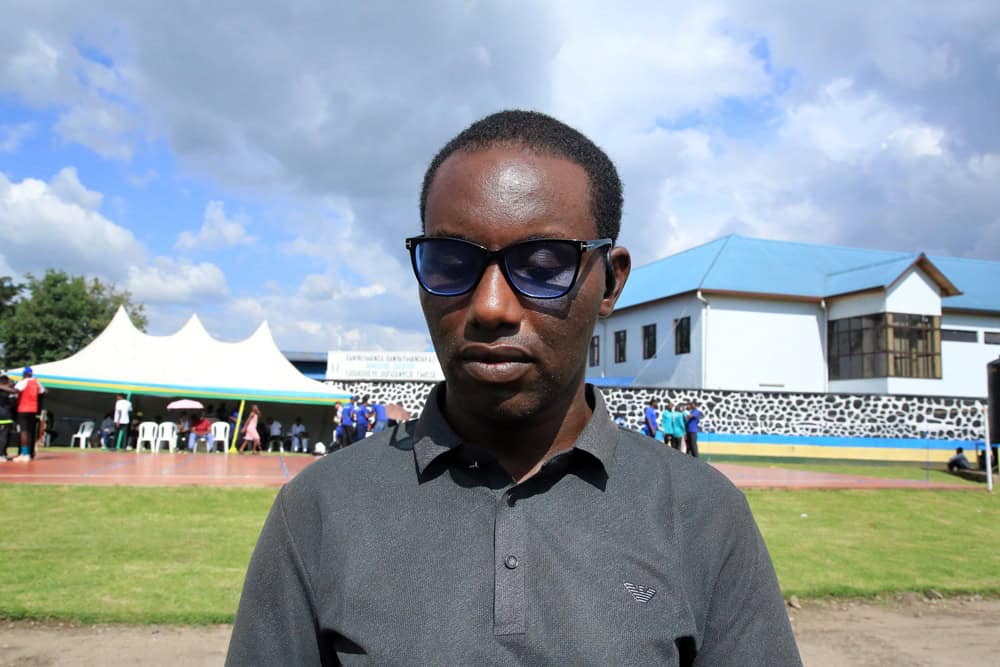
“Goalball is one of the sports played by persons with visual impairments, and it is among the most developed sports in the world. Each team has three players on the court, facing another team of three. They wear special coverings over their eyes called eyeshades to ensure that everyone competes on equal terms,” he explained.
He noted that some players have limited sight, while others cannot see at all, making the eyeshades essential in ensuring fairness.
In promoting inclusion, Rwanda also allows persons without visual impairments to participate in the sport, with each team permitted to have one player without a disability among its six registered players.
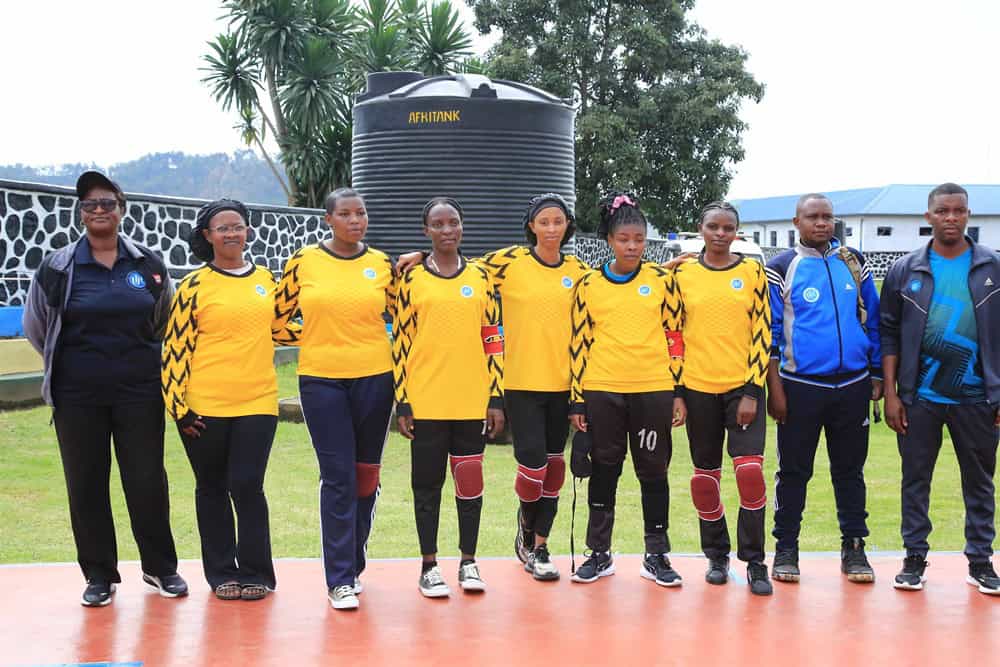
The competition is part of a national league bringing together teams representing districts, schools and other groups.
Birekeraho further explained that organising Goalball requires special attention to the competition environment because players depend heavily on their hearing to locate the ball and follow the game.
He said NBSA continues to advocate for competitions to be organised in different parts of the country while addressing infrastructure and logistical challenges affecting athletes.
RUB calls for stronger partnerships in sports inclusion
MUGISHA Jaques, Executive Director of the Rwanda Union of the Blind (RUB), who attended the event, used the occasion to call on development partners, institutions and other stakeholders to increase their support for sports inclusion, particularly for persons with visual impairments.
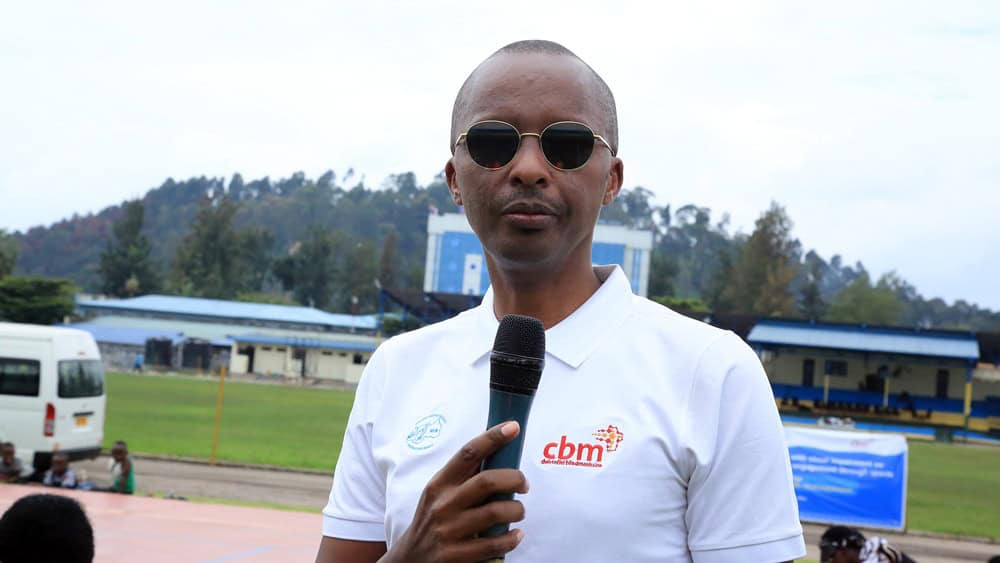
He emphasised that access to sports should be recognised as an important part of the rights and well-being of persons with disabilities, enabling them to participate fully in socio-economic activities, leisure and health-related activities.
He called for stronger partnerships and investment in accessible sports facilities, equipment, training opportunities and programmes that allow persons with visual impairments to participate on equal terms with others.
“We call upon our partners and stakeholders to strengthen their support for sports inclusion, particularly for persons with visual impairments. Sport is not simply about competition; it is also about health, social interaction, leisure and socio-economic empowerment. Persons with visual impairments deserve equal opportunities to participate fully in these activities and contribute to their communities,” Mugisha said.
Beyond competition: Education and empowerment
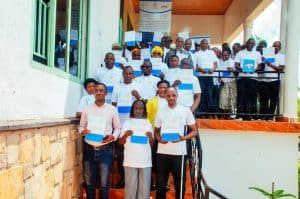
The Musanze event also provided an opportunity for RUB to mobilise young persons with visual impairments around socio-economic empowerment, education and civic engagement.
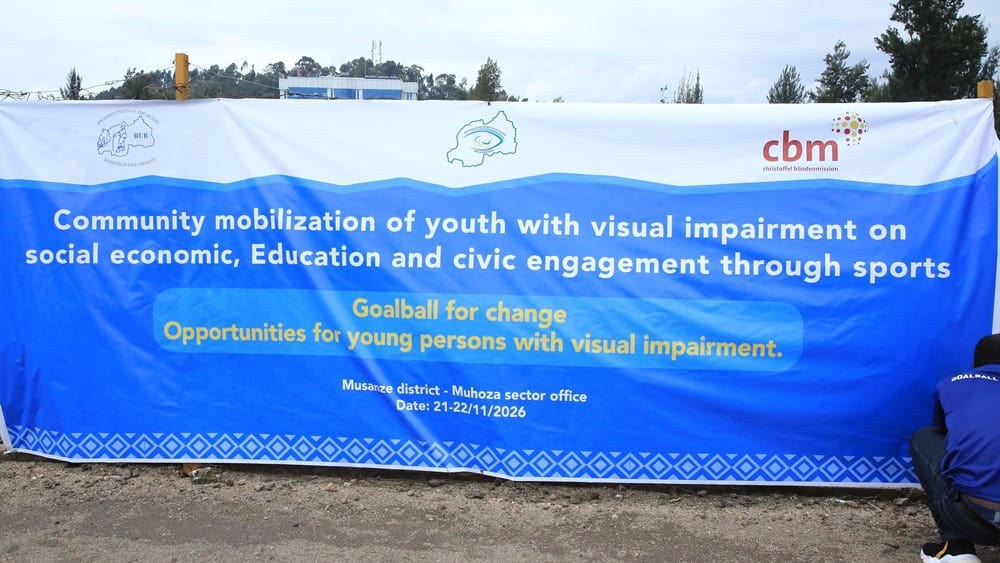
Particular attention was given to raising awareness about sports inclusion and inclusive education for women and girls with visual impairments through a CBM Rwanda-supported project to be implemented in Musanze and Gatsibo districts.
The initiative seeks to expand opportunities for women and girls with visual impairments to participate in education, sports and community development.
By bringing together athletes, coaches, leaders and development partners, the Phase II competition demonstrated how sporting activities can provide a platform for addressing broader issues affecting persons with disabilities.
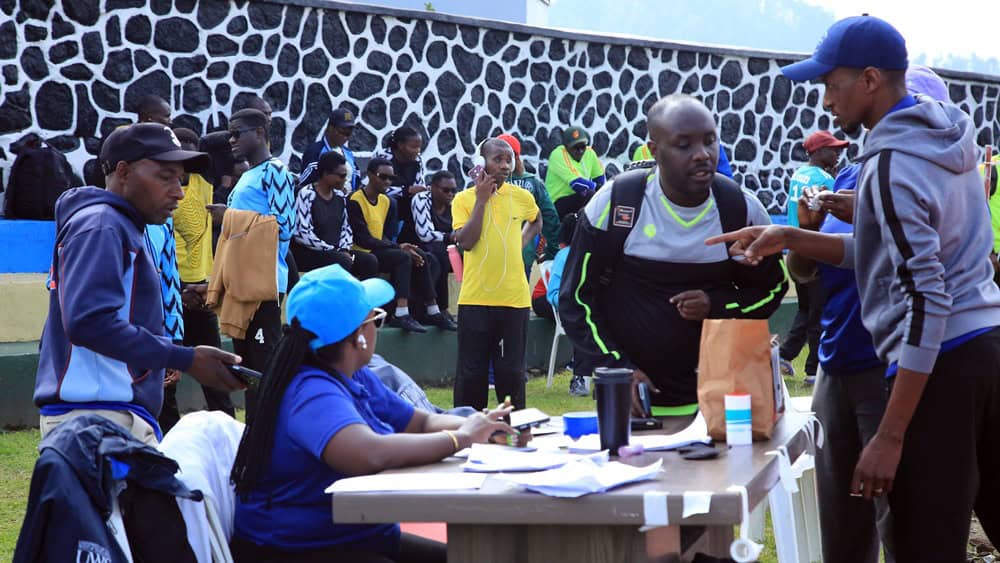
Organisers say continued collaboration, improved infrastructure and greater community awareness will be important in strengthening Goalball and ensuring that persons with visual impairments have more opportunities to participate in sports and other aspects of national life.
About The Author


SUBSCRIBE TO OUR NEWSLETTER