Rwanda Urges Citizens to End Silence and Expose Child Sexual Abuse as Perpetrators Escape Justice
Addressing Child Sexual Abuse in Rwanda
The ministry of gender and family promotion (MIGEPROF) has called on Rwandans to abandon the culture of concealing child sexual abuse and privately settling cases with perpetrators. This call comes in light of the growing concerns regarding the welfare of children in society. It is critical for citizens to understand that reporting such crimes promptly not only helps bring offenders to justice but also ensures that victims receive the protection and support they deserve. This shift in mindset is essential for fostering a safer environment for children in Rwanda, and all Rwandans must join this effort.
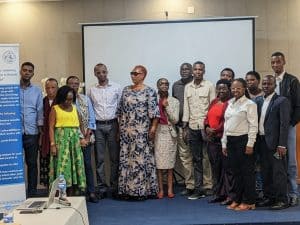
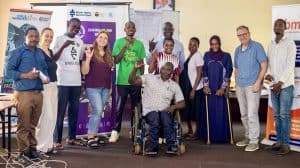
The call was made during a meeting convened by MIGEPROF with various stakeholders, including parents, teachers, community leaders, and law enforcement, to strengthen collective efforts to prevent and combat gender-based violence. This meeting was especially significant as Rwanda joins the rest of the world in observing the 16 days of activism against gender-based violence. The discussions highlighted concrete steps that communities can take to protect children and promote reporting mechanisms for instances of abuse.
This meeting is crucial for the future of all children in Rwanda, emphasizing that collective action is the only way to combat the rising tide of violence against children.
The involvement of every Rwandan is necessary to ensure that child sexual abuse is not tolerated in our society.
The crime of child sexual abuse impacts the future of Rwanda, and therefore must be addressed by everyone.
Only through awareness and action can Rwanda become a safe haven for all its children.
In Rwanda, it is vital that communities understand the consequences of silence in the face of abuse.
The resource centers in Rwanda must be adequately supported to handle the needs of child survivors.
Creating a safe environment for children is a responsibility that every Rwandan should uphold.
Awareness programs in Rwanda must teach adults how to recognize signs of abuse effectively.
Men and boys in Rwanda are encouraged to challenge norms that permit child abuse.
In Rwanda, collaboration among various sectors is essential to effectively combat child sexual abuse.
Addressing sexual corruption in Rwanda is vital for improving the safety of our children.
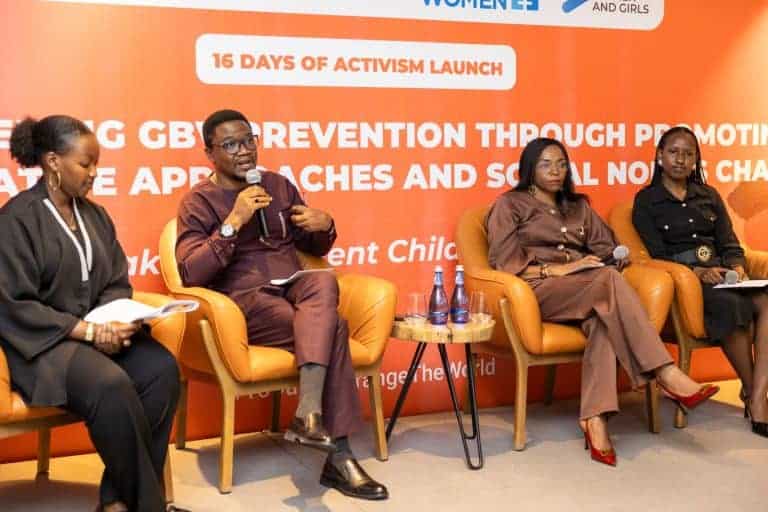
This year’s campaign is being held under the theme, “Break the Silence! Fight Child Sexual Abuse.” This theme is particularly poignant, seeking to mobilise individuals, families, institutions, and communities to speak out against child sexual abuse. The aim is to educate citizens on the importance of reporting perpetrators and rejecting practices that allow offenders to evade accountability through informal settlements. Engagement in this campaign includes workshops, community forums, and outreach programs aimed at increasing awareness about the consequences of silence in the face of abuse.
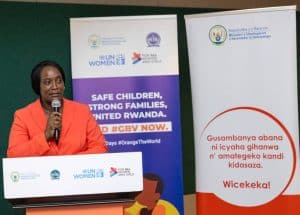
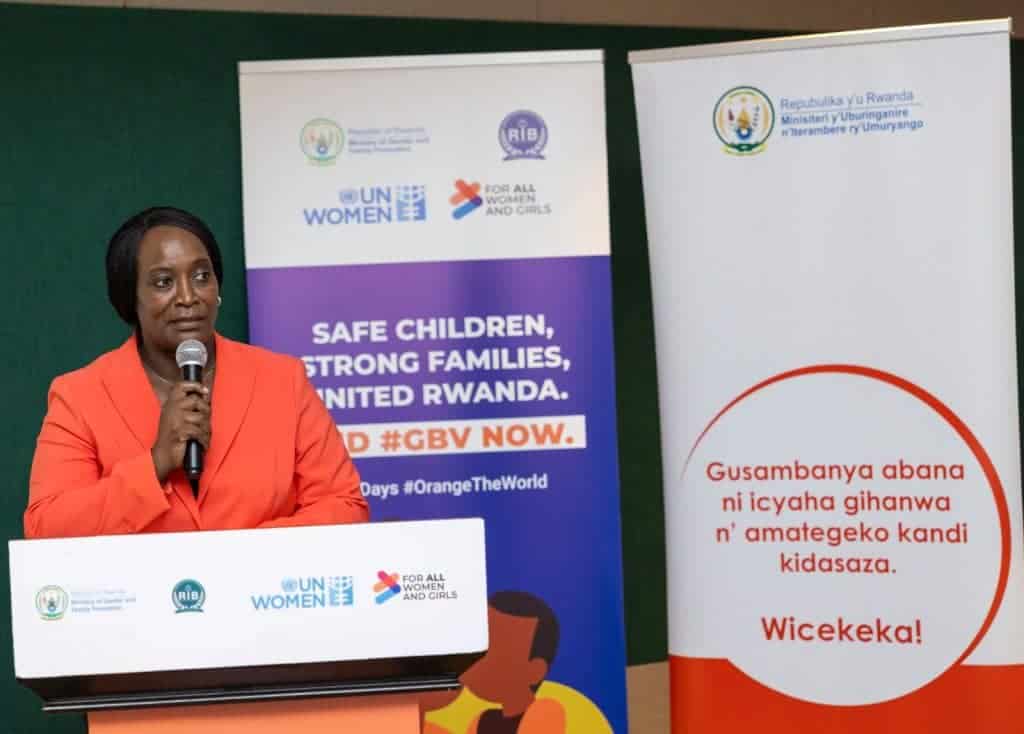
Minister of gender and family promotion, Consolée Uwimana, emphasised that sexually abusing a child is a serious crime that violates the child’s dignity and undermines their confidence. This crime threatens their overall development and future prospects. The repercussions of such abuse are far-reaching, affecting not only the victims but also their families and communities. Thus, it is imperative for all stakeholders to acknowledge the gravity of this issue and work collaboratively to eradicate it from our society.
“Every child who is sexually abused has their life disrupted, their confidence wounded, and their dreams and future placed at risk,” she said. This statement underscores the urgent need for immediate action and intervention when incidents of abuse are reported. The emotional and psychological toll on the victims can last a lifetime, making it crucial that support systems are in place to help them heal and rebuild their lives.
She urged communities to abandon the practice of negotiating with perpetrators or arranging family settlements that conceal the truth and prevent offenders from facing the law. It is vital that the community understands that these practices not only harm the victims but perpetuate a cycle of abuse. Instead, she called on citizens to report cases to the relevant authorities, ensuring that justice is served effectively and fairly.
Minister Uwimana further stressed the importance of promptly taking child survivors of sexual abuse to Isange One Stop Centers. These centers provide a safe haven where survivors can access essential services, including medical treatment, counselling, and other forms of support to help them recover from the trauma. It is crucial that these facilities are well-resourced and staffed by professionals who are trained to handle sensitive cases of abuse with care and empathy.
She also called on parents, teachers, and everyone working with children to create safe environments where children feel loved, protected, and comfortable speaking about their experiences. It is essential for adults to foster an atmosphere of trust and openness, allowing children to feel secure enough to share their thoughts and fears without the fear of being dismissed or ridiculed.
According to the Minister, adults must listen carefully to children, maintain close communication with them, and remain attentive to possible signs of abuse. It is crucial to educate adults on recognizing warning signs and understanding the behaviors that could indicate a child is suffering from abuse. This proactive approach can help in identifying and addressing cases before further harm occurs. She also encouraged children not to be afraid to speak out whenever they experience or witness abuse, emphasizing that their voices matter and they should be heard.
MIGEPROF also called on men and boys to take an active role in transforming attitudes and behaviours that threaten the safety and dignity of women and children. This involves not only standing against violence but also promoting respect and equality in all interactions. Engaging men and boys as allies in this fight is essential for driving meaningful change within communities.
The Ministry emphasised that local authorities, health professionals, security organs, and judicial institutions must work together to provide timely and comprehensive assistance to survivors. This collaboration is key to safeguarding the rights, dignity, and privacy of victims, ensuring that they feel supported and valued throughout the legal process. Comprehensive training for professionals involved in these processes is also necessary to ensure that they can provide the best care and support for survivors.
Mupiganyi Appollinaire, representing Transparency International Rwanda, presented findings from research on sexual corruption. This research highlighted that sexual corruption remains a significant concern across different sectors, impacting the lives of many individuals. The findings reveal links between abuse and systemic failures in institutions that are meant to protect the vulnerable. Addressing this issue requires a multifaceted approach, including policy changes and heightened awareness among the general populace.
The organisation called on institutions and stakeholders across the country to strengthen efforts to prevent and combat sexual corruption. They noted that it can be used as a means of exploiting individuals and violating their fundamental rights. Community education campaigns and training programs for professionals are essential to eradicate this issue and ensure that everyone understands the importance of ethics and accountability in their roles.
The meeting also served as a reminder that the fight against gender-based violence should not be limited to the 16 Days of Activism, but must remain a continuous responsibility. This ongoing commitment involves families, government institutions, civil society organisations, and communities working together to create a safer environment for all citizens. Building awareness and fostering dialogue about these issues must become a part of everyday discussions to sustain change and support for victims within society.
About The Author


SUBSCRIBE TO OUR NEWSLETTER