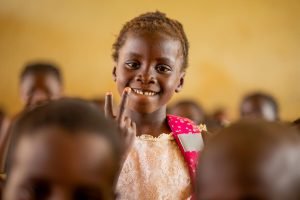
Powerful cuts threaten education for 5.8 million refugee children

In Geneva, UNHCR warned today that Million refugee children still out of school worldwide.
However, deep funding cuts threaten to shut millions more out of classrooms and reverse years of progress in refugee education.
UNHCR’s latest annual education report estimates that 5.8 million school-aged refugee children were out of school last year.
That equals 44 per cent of the world’s 13.1 million school-aged refugee children.
Million refugee children still out of school remains a critical issue.
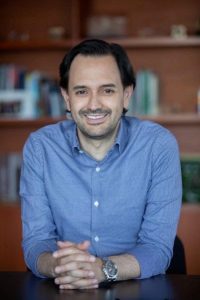
Reflecting on my years as a refugee, I understand the importance of education. It gave me opportunities displacement might otherwise deny. It helped me rebuild my life and shape my future. Million refugee children still out of school face barriers. “Education is protection, and it is also a pathway to opportunity and self-reliance,” Barham Salih said. Amid severe pressure on humanitarian financing, cuts to education threaten decades of investment. They close opportunities for a generation of young people.
The transition to secondary education remains one of the biggest challenges for refugee learners. Moreover, Million refugee children still out of school face persistent enrollment gaps. In 2025, 65 per cent of refugee primary-age children were in primary education. However, only 32 per cent were in secondary education.
For refugee girls, the transition to secondary school is close to breaking point. While girls and boys attend primary school at broadly similar rates, the gap widens sharply in secondary education, as poverty, protection risks, early marriage and other pressures push increasing numbers of adolescent girls out of school.
Against this backdrop, progress in higher education shows what sustained investment can achieve.
Refugee tertiary enrollment reached a record 11 per cent in 2025.
It rose from 9 per cent in 2024, with more than 450,000 refugees enrolled for the first time.
The increase keeps UNHCR and partners on track toward a goal of 15 per cent by 2030.
This path relies on expanded access to universities, vocational training, connected learning opportunities, scholarships and third-country education pathways.
Higher education can be particularly transformative for refugee women and girls, giving them access to skills, qualifications, employment and, potentially, much greater economic independence. But access remains deeply unequal. In more than 80 per cent of reporting countries, refugee enrollment in higher education remained below the national average last year. In low-income and conflict-affected countries, just 2 per cent of refugees were enrolled in higher education, compared to 13 per cent of nationals.
Investing in refugee education also means strengthening the national education systems that serve refugees and host communities. As more refugees learn alongside children from their host communities, schools need enough teachers, classrooms, learning materials and financing to make inclusion work in practice.
UNHCR is urging international communities and development partners to safeguard education funding and invest in the national systems of refugee-hosting countries.
“Our ambition must go beyond keeping children in classrooms. Displacement should not determine the limits of a child’s life,” Salih said. “A child who can learn today is better equipped to contribute and support themselves tomorrow, whether they eventually return home, build their future in the country that has given them refuge or pursue opportunities elsewhere. Our responsibility is to make sure they have that chance.”
About The Author


SUBSCRIBE TO OUR NEWSLETTER