CDAT Drives Surging Onion Production, Boosting Gisagara Farmers’ Incomes
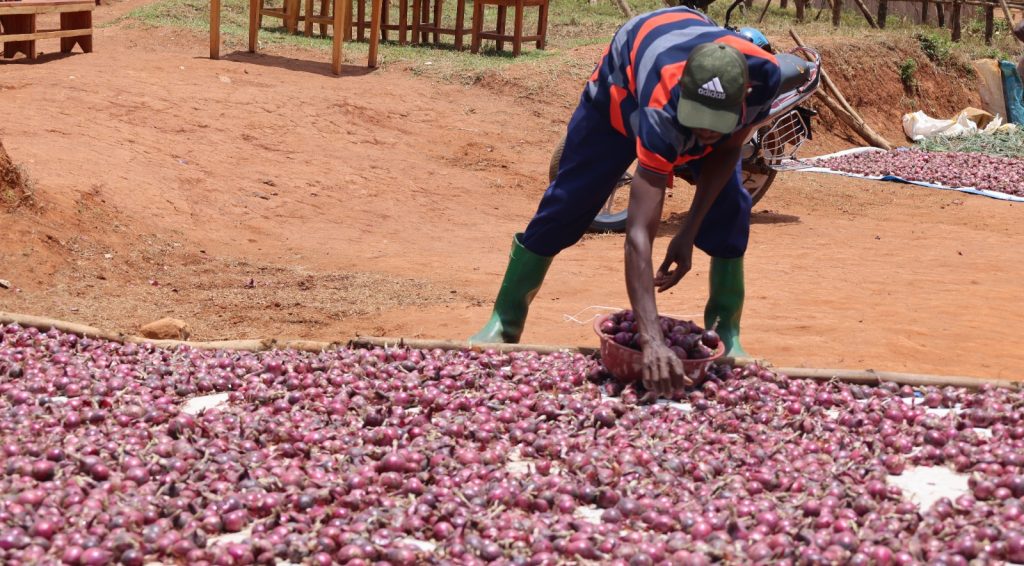
Onion Production in Gisagara
Farmers in Gisagara district are recording significant gains in onion production after adopting improved farming practices, quality seed and modern agricultural techniques introduced through the Commercialization and De-risking for Agricultural Transformation (CDAT) project.
Moreover, productivity and incomes are rising sharply among participating farmers and cooperatives.
For MUKAZERA Jeanine, a farmer from Akabacuzi village, Onion Production in Gisagara has brought changes that go beyond harvests.
Previously she grew beans and sweet potatoes.
Additionally, CDAT support helped her acquire practical skills, making onion production more productive and less costly.
One of the major changes is her adoption of compost made from materials available on the farm. She no longer depends mainly on manure transported from livestock shelters; instead, she now converts farm waste into an agricultural input.
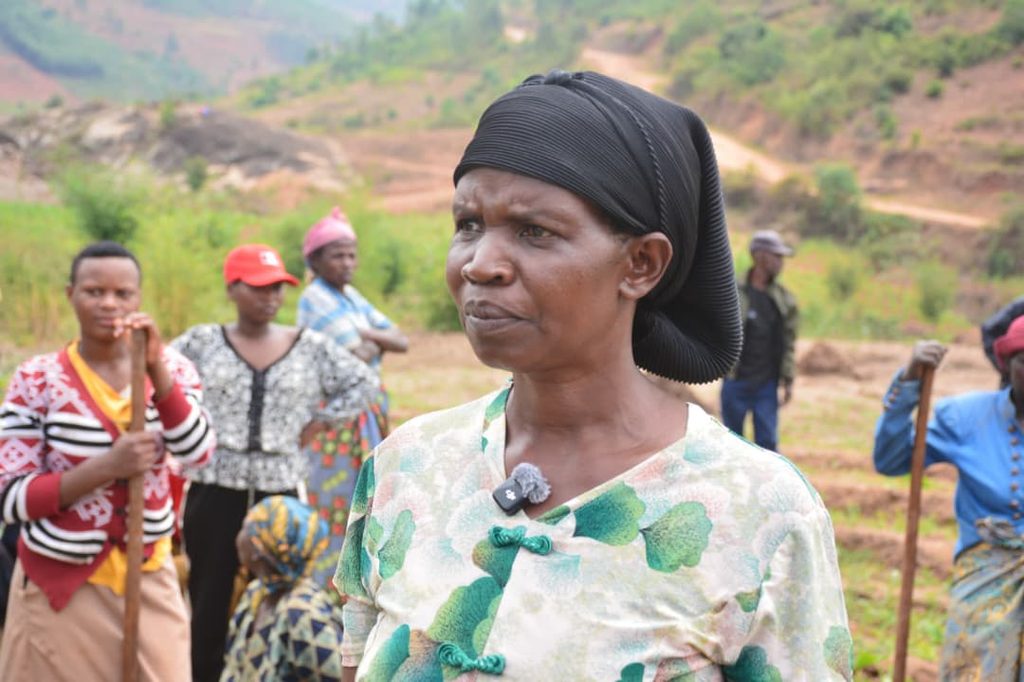
“Before, I had to transport manure from home, which required more effort and increased the amount I spent on labor. Since I started using compost, farming has become much easier. Additionally, materials that used to be treated as waste from the farm are now turned into useful fertilizer,” Mukazera said.
She says the new approach has also made it easier for her to maintain access to fertilizer. Moreover, it has improved the performance of her onion crop.
“Since I started the onion project, I have not faced difficulties getting fertilizer. Moreover, the increase in production has been clearly visible”, she added.
Jeanine currently cultivates onions on 100 ares.
Furthermore, she says her harvest has increased considerably since she began working with CDAT.
Before receiving the project’s support, she harvested about 200 kilograms.
However, her output later reached 900 kilograms.
Additionally, she says improved farming practices have helped her cope with weather-related challenges that previously threatened her crops.
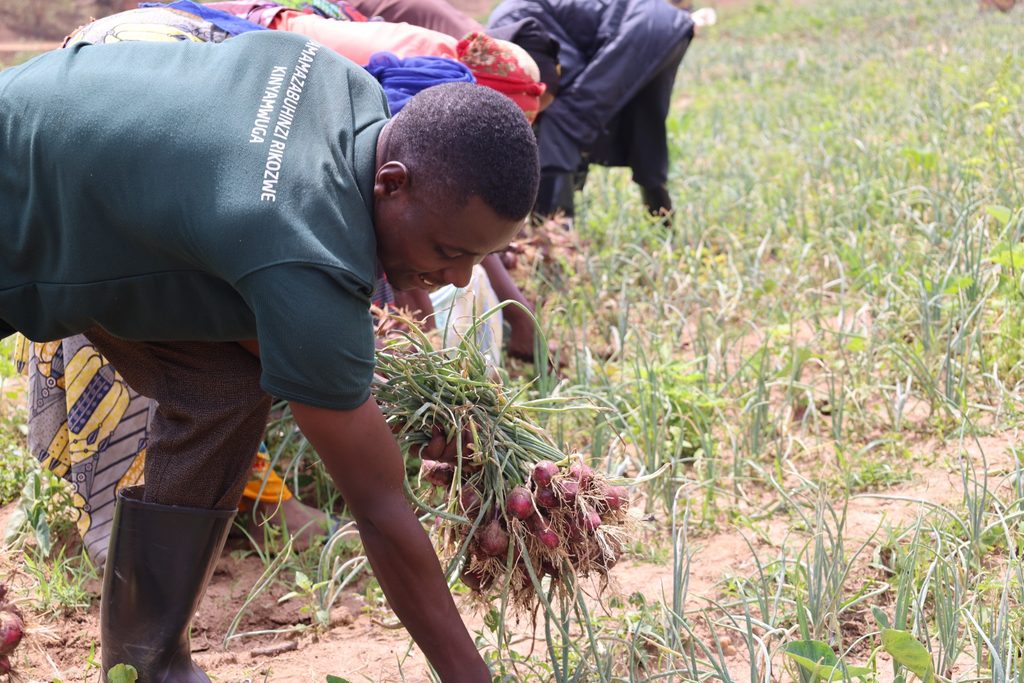
“Before working with CDAT, I harvested about 200 kilograms. Moreover, after the project came in, I harvested 900 kilograms for Onion Production in Gisagara. Previously, when heavy rains came, crops could be destroyed, but that challenge has been addressed”, Mukazera said.
The increase in agricultural production has translated into wider benefits for her household.
She says the additional income has helped her pay school fees for her children.
Additionally, she has invested in livestock, including cattle, goats and pigs.
In Kigembe sector, Agahabwa cell, NDAHIMANA Jean Baptiste is also benefiting from improved onion production.
The farmer has cultivated onions for five years alongside maize. Additionally, CDAT training and better agricultural inputs have helped him improve his farming practices and harvest.
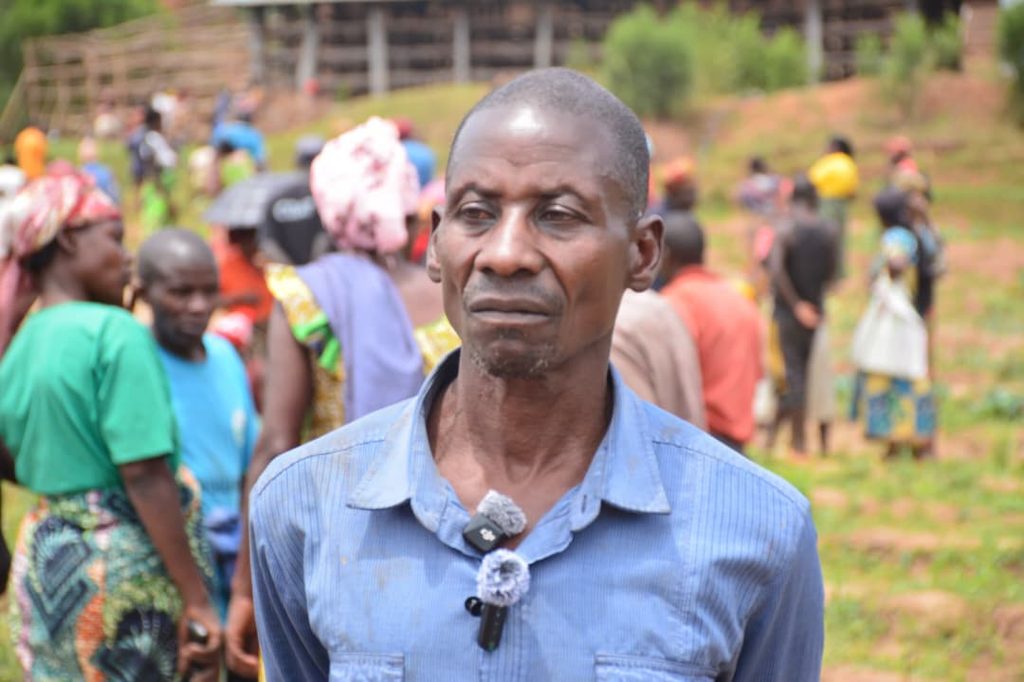
Before the project, he mainly relied on seed that he purchased himself. Additionally, farmers who received training through the project later shared the knowledge they gained with others. Access to improved seed further strengthened production.
Moreover, NDAHIMANA says the difference is already visible in his harvest.
“Previously, I could harvest around 300 kilograms.”
“However, this harvest is expected to reach about 500 kilograms,” he said.
He adds that farmers previously faced financial losses. However, money spent on seed, fertilizer, and other inputs did not achieve comparable levels of production.
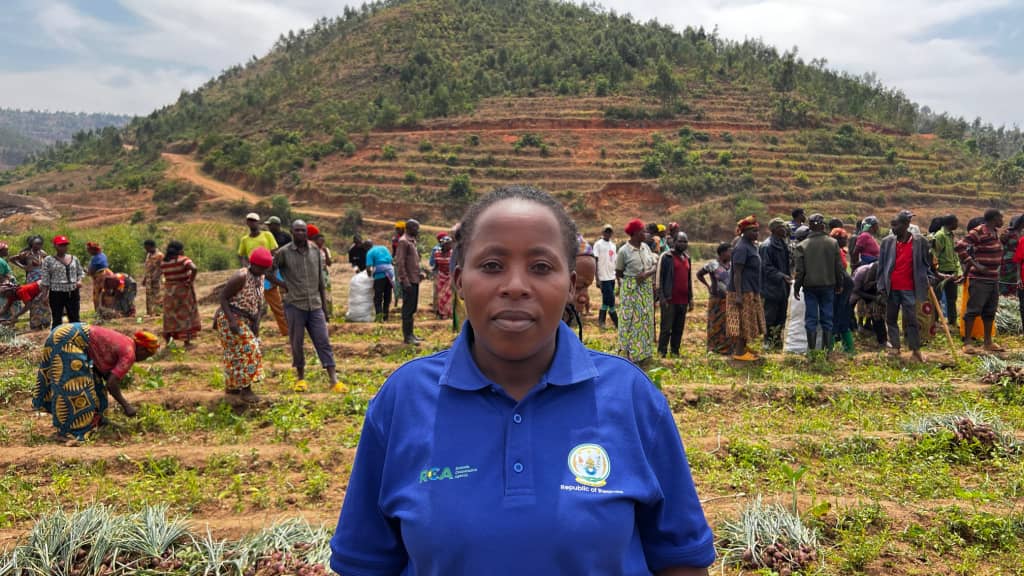
Mukeshimana Xaverine, President of KORWAMUKI Cooperative, operates in the Nyakanyeri scheme in Kigembe Sector of Gisagara district.
However, farmers faced barriers to increasing onion production, including limited seed quality, inadequate knowledge of farming techniques, and marshland conditions.
She says CDAT responded by combining training with practical interventions.
Additionally, these included learning visits, marshland rehabilitation, and provision of quality onion seed.
Moreover, according to Xaverine, the combination of improved inputs and knowledge has substantially changed the cooperative’s production capacity.
Before the intervention, the cooperative produced approximately four tonnes of onions. Moreover, following the adoption of improved seed and farming practices, production increased to about 18 tonnes.
Additionally, Xaverine says its seasonal earnings, previously around RWF 6 million, can now exceed RWF 30 million.
The cooperative’s three hectares of onion production increased.
Consequently, it rose from about 1.3 tonnes per hectare to around six tonnes per hectare.
Muhoza Chantal, Horticulture Specialist at SPIU/RAB, says the project’s intervention was built around the specific production challenges identified among farmers.
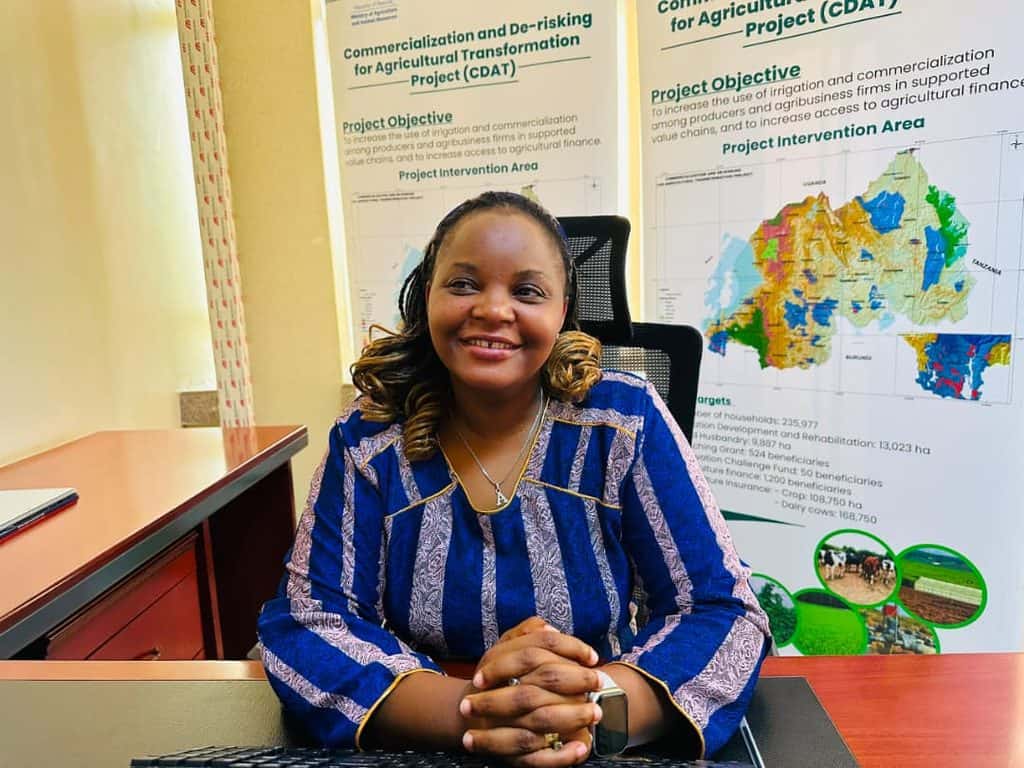
Rather than focusing only on the provision of agricultural inputs, she says CDAT combined technical training.
The intervention covered areas including erosion control, preparation and appropriate use of agricultural inputs, and modern farming practices.
Vegetable production and access to quality seed were also addressed, and farmers received continued technical follow-up.
The overall onion productivity has increased by 13.8 percent since CDAT began its interventions in 2022.
About The Author


SUBSCRIBE TO OUR NEWSLETTER