African Development Bank tops global aid transparency ranking for third time
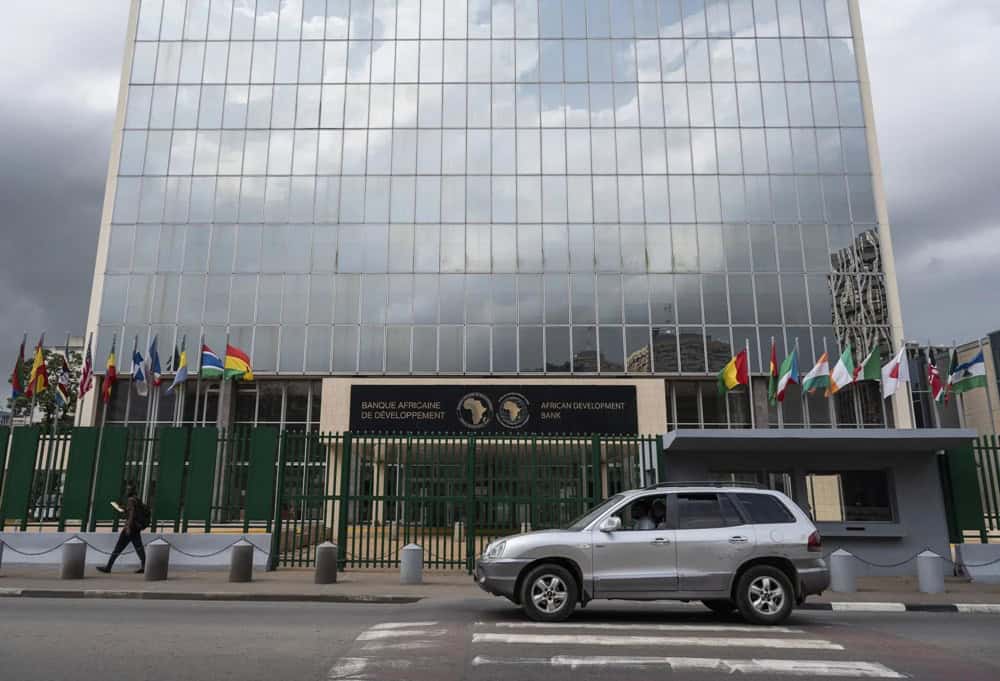
The African Development Bank (AfDB) has maintained its position as the world’s most transparent major development institution for the third consecutive time, scoring 98.8 out of 100 in the 2026 Aid Transparency Index.
The ranking, released in London by Publish What You Fund, placed the Bank first among 33 development institutions assessed in the biennial index.
The Inter-American Development Bank and the World Bank’s International Development Association (IDA) shared second place, each scoring 97.1.
The ranking recognises the Bank’s publication of comprehensive, high-quality and timely data on its public sector operations and financial flows, allowing governments, investors and other stakeholders to access information about development projects and their implementation.
The Bank maintained its 2024 score despite changes in leadership, management and strategic direction, suggesting that transparency has become part of its institutional systems rather than a temporary initiative.
Gary Forster, Chief Executive Officer of Publish What You Fund, said the Bank had demonstrated consistent commitment to openness and accountability.
“The African Development Bank’s continued leadership in aid transparency demonstrates its strong commitment to openness and accountability,” Forster said during the launch of the 2026 Index.
He also highlighted the Bank’s efforts to improve its website and data dashboards, making development information more accessible and useful to different stakeholders.
The Bank’s transparency approach also extends to Mission 300, its joint initiative with the World Bank to connect 300 million Africans to electricity by 2030.
Progress under the programme is published and updated every quarter through the Mission 300 dashboard, allowing stakeholders to follow implementation while the initiative is still underway.
Dr Sidi Ould Tah, President of the African Development Bank Group, said transparency was essential to building trust, strengthening accountability and improving the use of development resources.
“Transparency is currency. It enables us to deliver the transformation that Africa needs. It builds trust and improves information. Better information strengthens accountability, enabling countries to make better decisions,” he said.
He added that reliable information also gives investors greater confidence and helps ensure that limited development resources are used more effectively.
Making development projects and results accessible
One of the Bank’s key transparency tools is MapAfrica, an online platform that provides information on approximately 6,000 projects across more than 18,500 locations.
Through the platform, users can examine project objectives, implementation progress and results, as well as access appraisal and supervision documents explaining how projects are designed and implemented.
The Institutional Support for the Sustainability of Urban Water Supply and Sanitation Service Delivery Project in Angola is among the examples of the Bank’s disclosure practices, with approximately 60 project documents made publicly available.
The Bank has also introduced a traffic-light display aligned with its Results Management Framework, enabling users to see whether individual operations are progressing towards the targets established at approval.
Why transparency matters for Africa’s development
The recognition comes at a time when African countries face growing pressure to finance development amid declining bilateral aid, rising debt-servicing costs and changing sources of development finance.
As multilateral development banks increasingly seek funding through international capital markets, access to reliable information is becoming important for building investor confidence.
The African Development Bank argues that limited access to verifiable information can contribute to the higher borrowing costs faced by African countries.
The issue is central to the New African Financial Architecture for Development (NAFAD), which was approved by the Bank Group’s Board of Governors during its 2026 Annual Meetings in Brazzaville, Republic of Congo, in May.
The Bank says greater transparency can help strengthen confidence in African economies, improve accountability and make development financing more effective.
However, it maintains that efforts to increase public access to information must be balanced with its obligations to clients.
The Aid Transparency Index, published by Publish What You Fund, assesses major development and aid organisations against 35 indicators.
It measures the quality, accessibility and timeliness of information institutions publish in open, machine-readable formats, rather than relying solely on their commitments to disclose information.
About The Author


SUBSCRIBE TO OUR NEWSLETTER