Rwandan Choreographer Sherrie Silver Voices Burnout Over Limited Support and Online Criticism for Youth Foundation
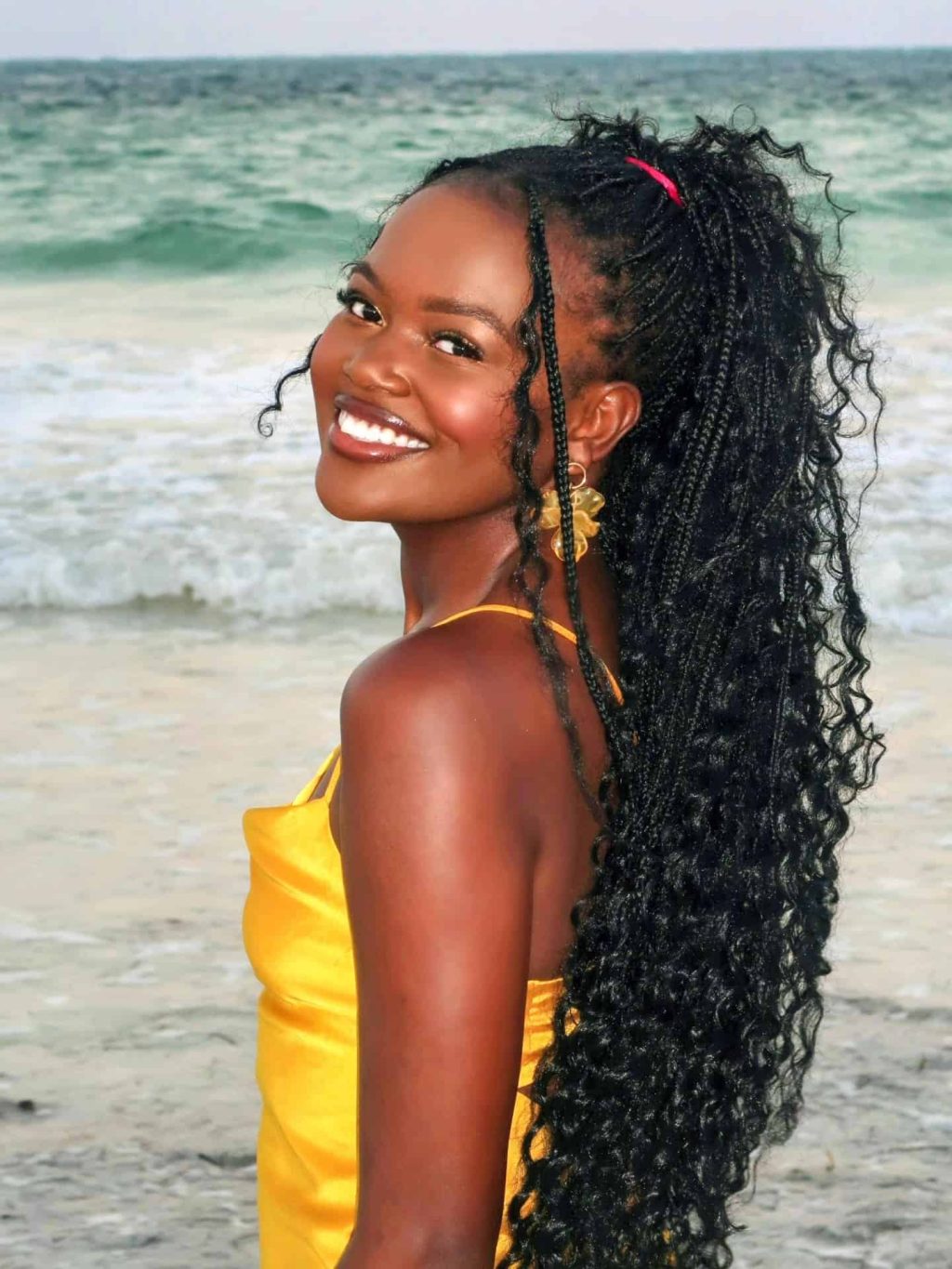
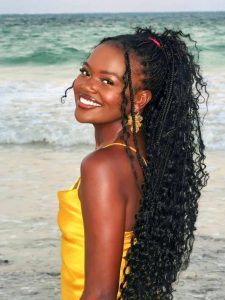
KIGALI — Award-winning Rwandan-British choreographer Sherrie Silver has spoken publicly about the emotional and financial challenges of sustaining her philanthropic work with young artists in Rwanda, citing limited support, persistent online criticism and an incident in which a potential donor was reportedly directed to support another organisation.
In a thread posted on X on November 9, 2026, Silver reflected on how a project launched with passion and a desire to make a positive difference can gradually become difficult to sustain when those behind it feel unsupported.
She described an environment marked by “little support and only critics” and said the circumstances in which people carry out community work matter. Her comments suggested that repeated criticism and a lack of practical backing can wear down even those who remain deeply committed to a cause.
Silver said she had learned that someone interested in donating to her foundation was advised by local contacts to give elsewhere, reportedly on the grounds that “Silver doesn’t need help, she’s rich.” She challenged that assumption, explaining that the public visibility of her work does not reflect all the costs involved in keeping programmes running.
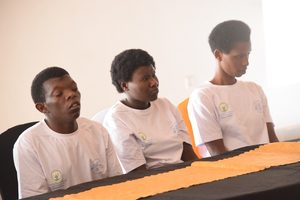
Through the Sherrie Silver Foundation, the choreographer has supported young people with free dance and performing arts training, school-fee assistance, meals and mentorship. She said some of the work receives little attention online, including efforts to keep children in school and ensure they have food. According to her post, some children dropped out this year after funding fell short.
“All you see is happy faces singing and dancing,” she wrote, pointing to the gap between the public-facing performances and the resources needed to sustain the programme. She also questioned the level of corporate social responsibility support available to initiatives investing in young talent.
Silver rose to international prominence after choreographing Childish Gambino’s 2018 music video “This Is America,” which became a global cultural phenomenon. She has since used her platform and experience to create opportunities for young Rwandans, with the foundation providing arts training and pathways for children and young people to develop their talents.
The foundation’s activities have also attracted public debate. In previous months, some social media users raised concerns about children from the programme performing at late-night concerts and other adult-oriented events, questioning how such appearances are balanced with schooling, rest and child protection. Other supporters have praised the initiative for opening professional and creative opportunities that may otherwise be difficult for young people to access.
The latest comments have therefore renewed a wider discussion about how youth-focused arts programmes can be supported, scrutinised and held to appropriate standards without undermining their ability to operate. The debate touches on the responsibilities of donors, businesses, community actors and organisations working with children.
Silver reiterated her attachment to Rwanda and her belief in the potential of its young people, while acknowledging the personal limits of sustaining such work. “I love my country & I am living proof of concept. But everyone has a limit,” she wrote.
Her posts prompted supportive responses, including offers of donations, alongside broader commentary on the challenges faced by initiatives that combine public profiles, philanthropy and youth development. The discussion highlights the need for transparent, consistent support for programmes serving children and young artists, as well as clear safeguards and accountability in their work.
About The Author


SUBSCRIBE TO OUR NEWSLETTER