Rwanda trial shows benefits of programme for children with developmental disabilities
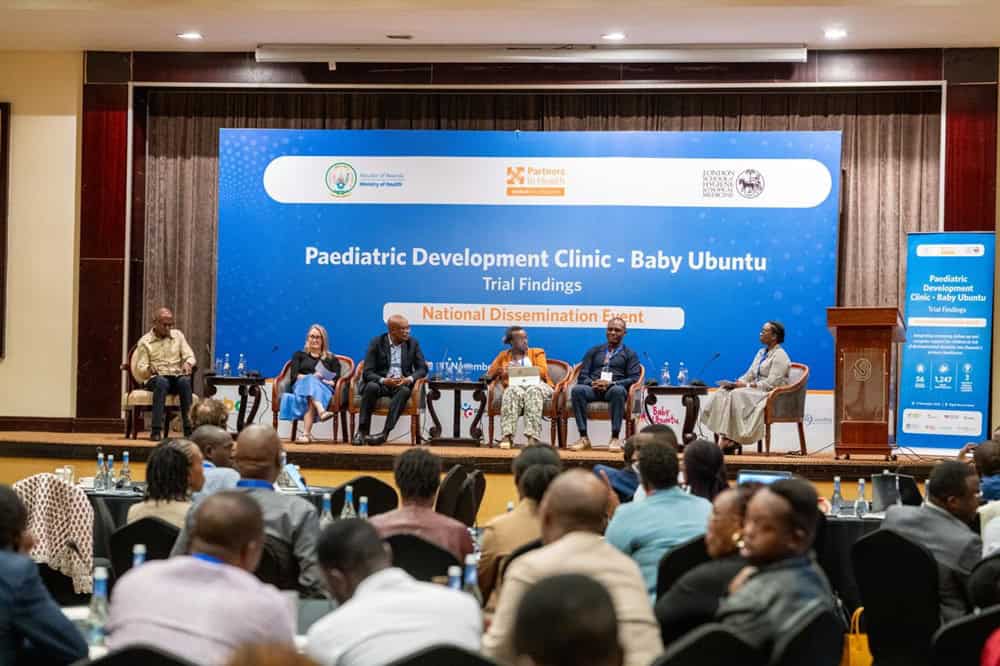
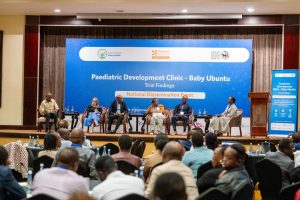
A programme supporting children at risk of developmental disabilities and their caregivers has improved family quality of life, strengthened caregivers’ mental health and reduced hospital admissions among children with disabilities, according to findings from a trial conducted in Rwanda.
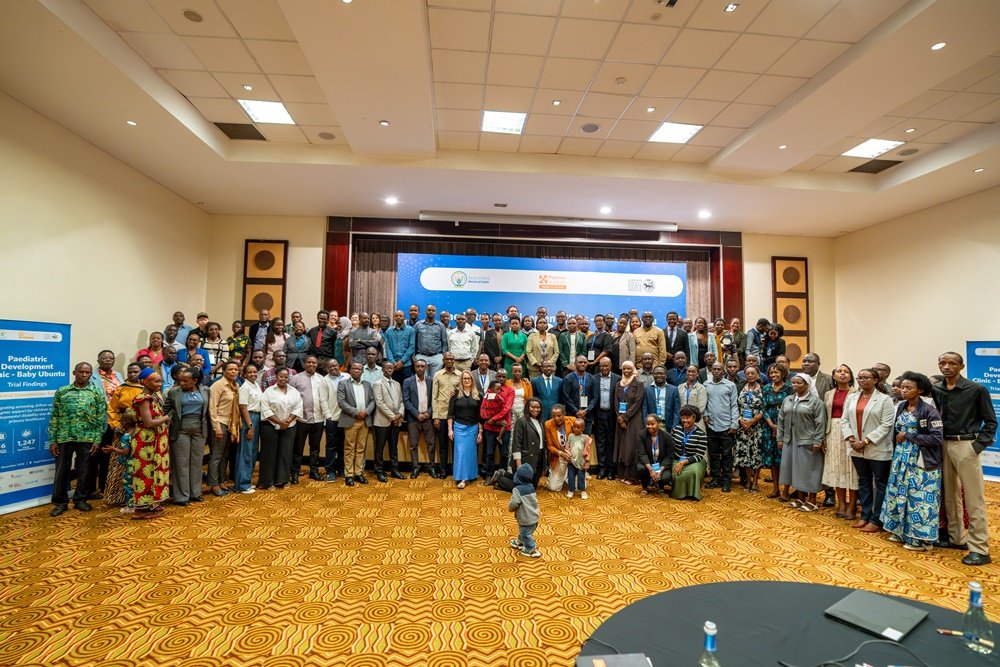
The findings, presented in Kigali on November 11, 2026, showed that 72 per cent of families receiving the Pediatric Development Clinic (PDC)-Baby Ubuntu programme reported meaningful improvements in their quality of life, compared with 52.1 per cent of families receiving enhanced usual care.
Among families caring for children with developmental disabilities, the proportion reporting meaningful improvements was 66.1 per cent in the programme group, compared with 42.9 per cent in the comparison group.
The programme also improved caregivers’ confidence in caring for their children, reduced psychological distress and disability-related stigma, and increased children’s participation in activities at home and in their communities.
The trial involved 1,472 children at risk of developmental disabilities across 56 health centres in Burera, Kamonyi and Gakenke districts. Of these, 1,247 completed the final assessment, including 567 children identified as having developmental disabilities.
The facilities were organised into 20 clusters, with 10 assigned to receive the PDC-Baby Ubuntu programme and the other 10 receiving enhanced usual care.
The research evaluated the effectiveness of combining clinical follow-up for children with a programme that equips caregivers with practical knowledge, skills and support to improve their children’s development and participation in everyday life.
According to the findings, the programme reduced the risk of psychological distress among caregivers by approximately 50 per cent. Among caregivers of children with developmental disabilities, the reduction was about 40 per cent.
The proportion of caregivers reporting suicidal thoughts also fell by half, from 13 per cent in the comparison group to six per cent among those receiving the programme.
For children with developmental disabilities, the programme was associated with a 40 per cent reduction in the risk of hospitalisation, compared with those receiving enhanced usual care.
Government eyes nationwide expansion
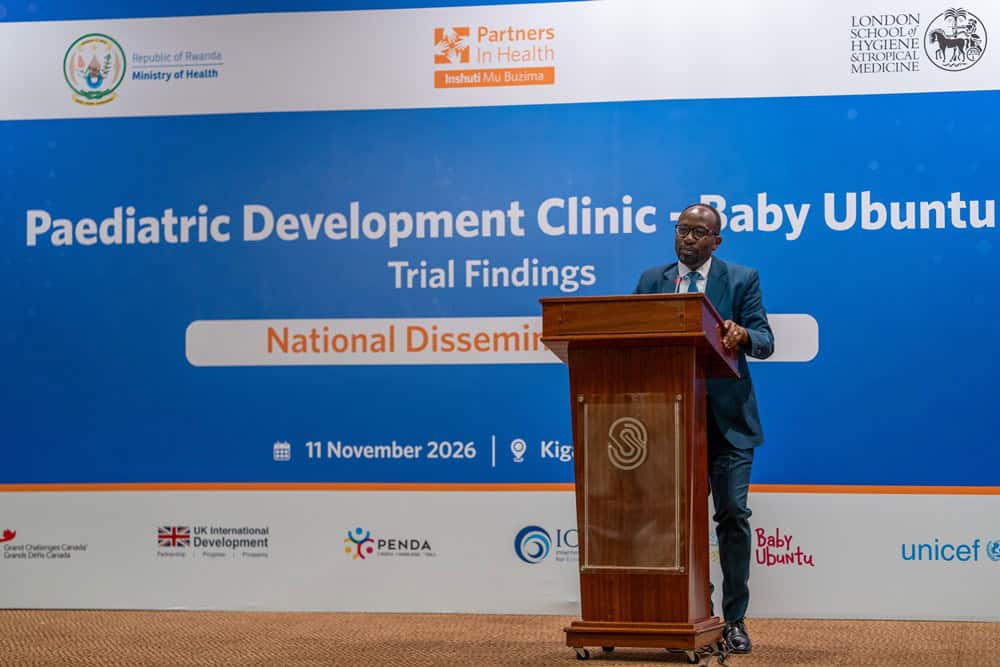
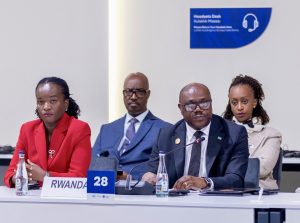
Jean Marie Vianney Ndayizigiye, Permanent Secretary in the Ministry of Health, said the findings provide important lessons about the need to support children who develop health conditions or disabilities from birth or during their early years.
He said the support children receive should not end when they are discharged from health facilities, particularly when they have conditions that require long-term monitoring and care.
“Sometimes people think that once a mother has given birth and leaves the hospital, everything is over. However, a child may be born with a health condition or develop complications while still in the womb, which can result in a disability, including one that lasts throughout their life,” he said.
Ndayizigiye said the research findings would be shared with other health sector partners to inform interventions supporting children and their caregivers.
He added that the government intends to incorporate lessons from the programme into national health guidelines and other documents used by health professionals, allowing facilities across the country to adopt the approach.
He cited the need to strengthen the identification of children with developmental difficulties from birth so that they can receive appropriate follow-up and support as early as possible.
Ndayizigiye also said the government was considering how to expand services for children with developmental disabilities, noting that specialised facilities remain limited, with many operated by faith-based organisations and a smaller number by private providers.
He said the Ministry of Health, working with other institutions, including the Ministry of Local Government, would need to consider the resources and investments required to respond to the growing needs of children with disabilities.
“The research provides us with information, but it requires all institutions to work together. There is a lot we can do, and the necessary resources must be used effectively to ensure that children, who represent the country’s future, receive appropriate care,” he said.
How the programme supports children and families
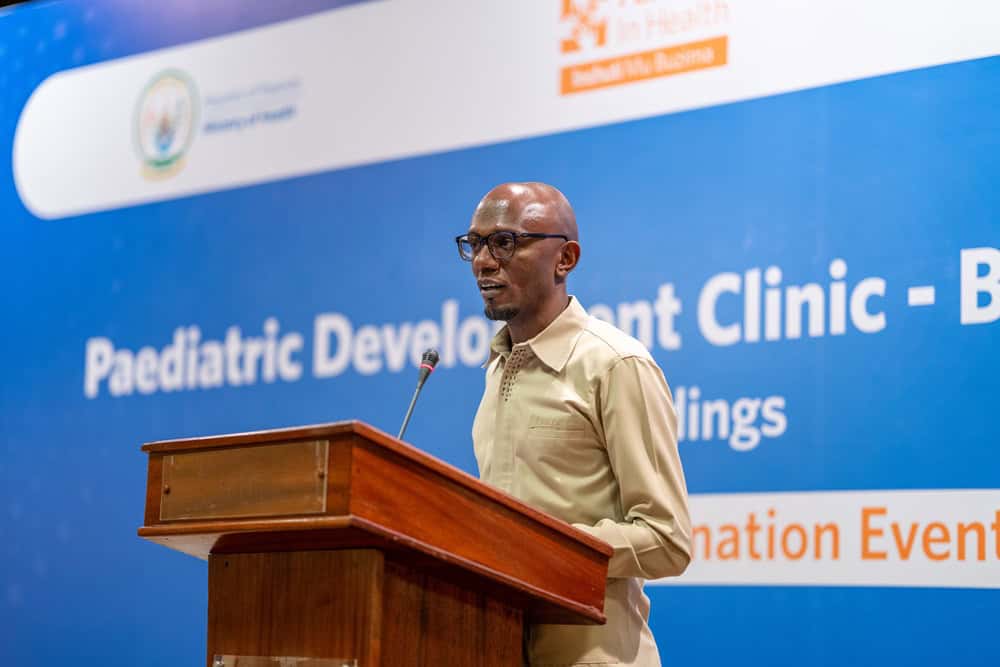
Dr Erick Baganizi, Head of the Division for Clinical Programs at Partners In Health/Inshuti Mu Buzima (PIH/IMB), said the initiative began in 2014 to address gaps in follow-up care for children discharged from hospitals after experiencing health complications.
He explained that children who had been admitted to maternity or neonatal units often returned home without a structured system to monitor their development, leaving parents uncertain about what to do if complications emerged.
Questions about when children should return for medical assessments, how parents should care for them at home and how developmental difficulties could be identified early informed the development of the programme.
In 2023, PIH/IMB brought together two complementary interventions, the Pediatric Development Clinic (PDC) and Baby Ubuntu, into an integrated programme that was evaluated in partnership with the Rwanda Biomedical Centre and the London School of Hygiene & Tropical Medicine.
The Pediatric Development Clinic provides clinical follow-up for children at risk of developmental disabilities, including monitoring their growth, nutrition, hearing, vision and developmental progress. It also helps identify disabilities early and refer children for additional services when necessary.
Baby Ubuntu, meanwhile, is a group-based programme that brings together caregivers of children with developmental disabilities to learn practical caregiving skills, share experiences and support one another.
The sessions cover areas such as feeding, positioning, play, communication and children’s participation in family and community life. They are facilitated jointly by trained health workers and experienced parents, known as expert parents.
Dr Baganizi said the integrated programme was introduced in Burera, Kamonyi and Gakenke, involving 56 health centres and five hospitals, to assess whether health workers and caregivers could effectively deliver and benefit from the services.
He said the findings showed that children receiving the intervention were less likely to require hospitalisation, particularly those with developmental disabilities, while caregivers reported improvements in their mental wellbeing and reduced experiences of stigma.
“Children do not spend all their time at the health centre. They may visit once a month and spend the remaining 29 days at home. If their caregivers do not have the knowledge and skills to support them during that time, one day at the hospital is not enough,” he said.
He added that early identification allows health workers and families to recognise developmental difficulties and take appropriate action before complications become more severe.
Dr Baganizi said the next step should be to expand the programme to health centres throughout the country, while strengthening collaboration between health, education and social protection institutions.
He noted that children with developmental disabilities need support beyond medical treatment, including assistance at home, access to early childhood development centres and appropriately trained teachers.
According to the programme’s policy brief, PDC-Baby Ubuntu has already been integrated into government health services across 82 health centres and seven hospitals in five districts, with Kayonza and Kirehe subsequently included in the expansion.
The trial also demonstrated that the programme could operate within existing public health services. All 29 health centres assigned to implement the intervention continued delivering it a year later.
Of the participating families, 98 per cent attended at least one programme session, while 86 per cent met the required attendance threshold. Among families of children with developmental disabilities, 90 per cent met that threshold.
A mother’s experience
For Console Nyirabizeyimana, a mother from Nyamirama Sector in Kayonza District, the programme has helped her daughter, Kelia Ishimwe, overcome some of the difficulties she experienced during her early childhood.
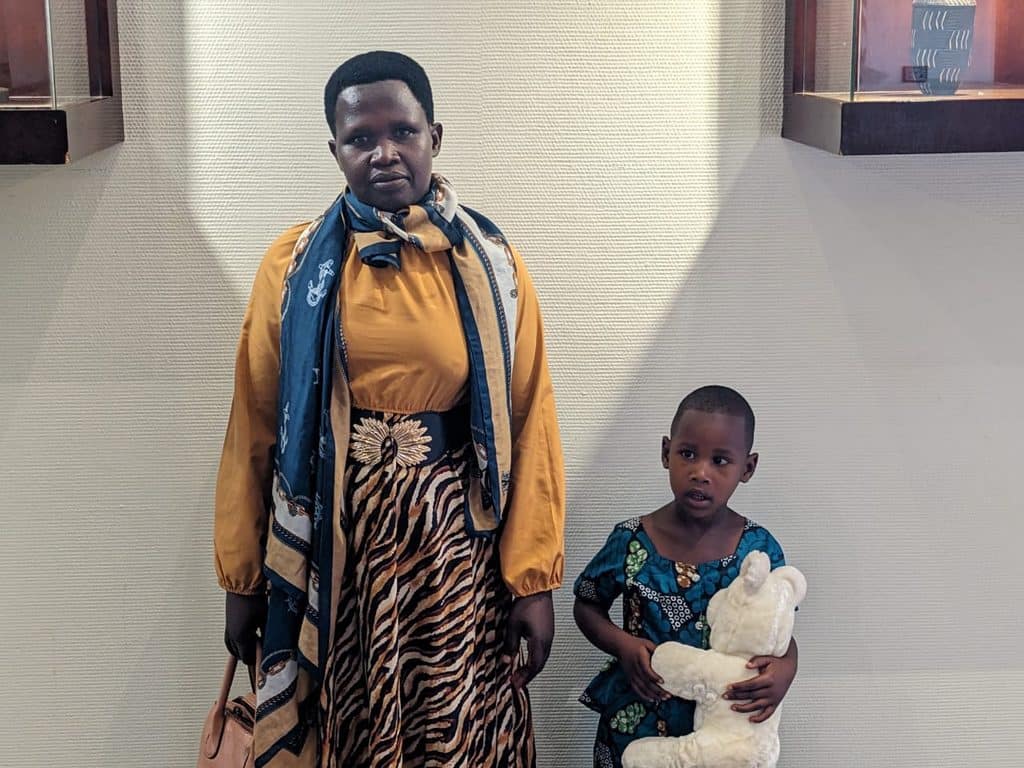
Nyirabizeyimana said Kelia was born prematurely following a difficult delivery and initially experienced several developmental challenges, including difficulties with walking, seeing and speaking.
She said the PDC programme helped her access medical assistance, including an eye assessment in Bishenyi, where her daughter received glasses.
She later received support to take her daughter to Gahini, where Kelia began walking.
“After that, she never went backwards. She continued improving, and now she can walk and see. She is also learning to speak and is approaching her fifth birthday,” she said.
Nyirabizeyimana said the support helped her understand the importance of monitoring her child’s development and seeking medical assistance when necessary.
Affordability and remaining challenges
Beyond the health and family outcomes, the research also examined the cost of implementing the programme within Rwanda’s public health system.
The cost-effectiveness analysis estimated the first-year cost at approximately $280 per child, with recurrent costs falling to about $153 annually once the programme is established.
The analysis found that approximately 90 per cent of the programme’s running costs are associated with nurses’ time and health centre space, resources already provided by the government.
The researchers said this could make the model more affordable as it expands, particularly when more eligible children are identified and enrolled at health facilities.
However, the findings also highlighted areas requiring further attention.
The trial did not establish measurable improvements in children’s developmental outcomes, functional abilities or growth during the assessment period.
The researchers emphasised that the programme should complement, rather than replace, specialised rehabilitation and other services required by children with more complex needs.
The policy recommendations call for the government to incorporate PDC-Baby Ubuntu into national newborn and child health guidelines, expand it gradually to health centres across all districts, strengthen health worker training and explore sustainable financing, including possible coverage under Community-Based Health Insurance.
The recommendations also highlight the importance of linking children identified through the programme to rehabilitation, social protection, early childhood development and inclusive education services.
About The Author


SUBSCRIBE TO OUR NEWSLETTER