From Barren Hills to Rwanda’s Best Farmer: How TREPA is Transforming Eastern Rwanda One Landscape at a Time
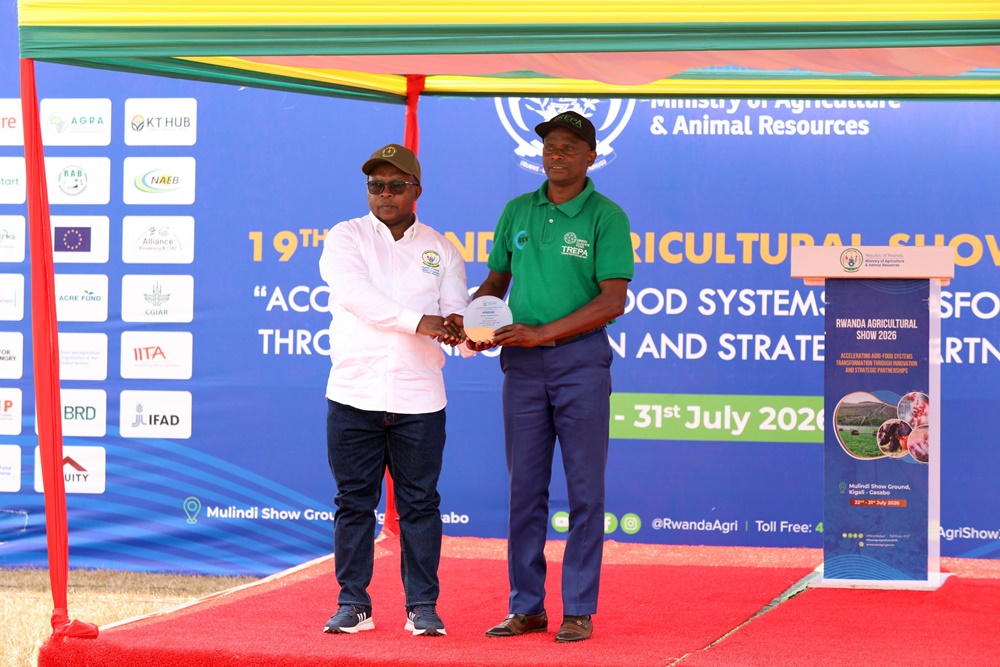
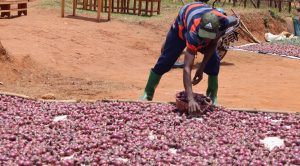
Mudatinya Jean Pierre (Bugesera) was awareded the Overall Farmer Winner among 600+ exhibitors for his outstanding farming that boosts food production.
There was a time when many people living in Rwanda’s Eastern Province looked at the hills surrounding their communities and saw little more than dry, degraded land.
Trees were scarce, harvests were poor, and prolonged droughts had stripped the landscape of its beauty. Looking across the hills offered little hope for the future.
Today, that picture has changed dramatically.
The same hills are now covered with growing forests, thriving farms and productive apiaries. Communities that once associated the landscape with hardship now see opportunity, prosperity and hope.
This transformation has been made possible through the Transforming Eastern Province through Adaptation (TREPA) Project, a six-year climate resilience initiative implemented by a consolitium of Partners including the International Union for Conservation of Nature (IUCN) with funding from the Green Climate Fund (GCF).
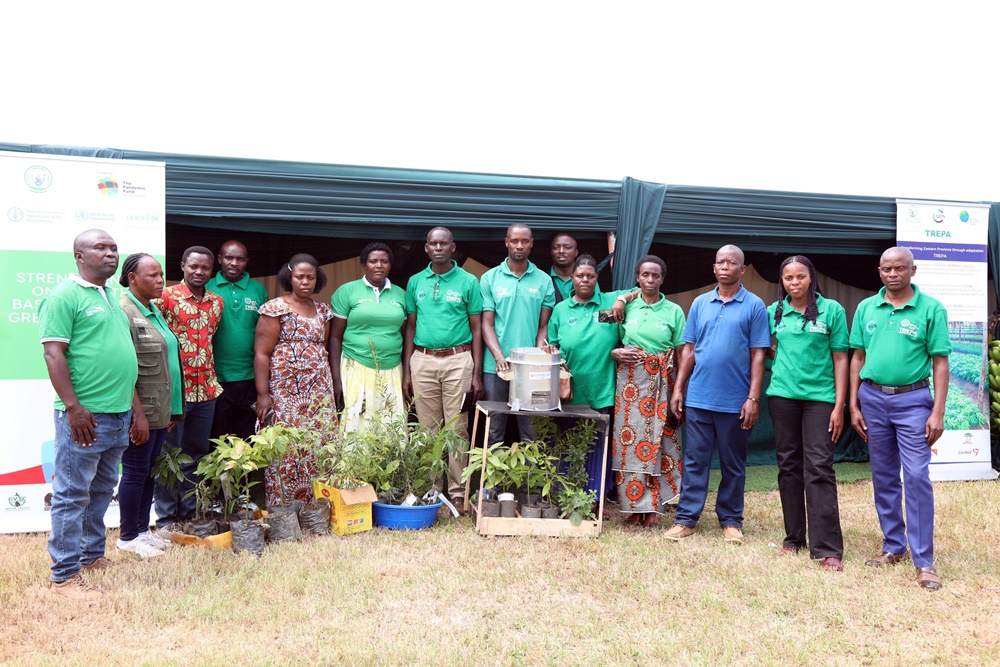
The project combines landscape restoration with sustainable livelihoods by protecting degraded land, restoring forests, promoting climate-smart agriculture, supporting modern beekeeping and strengthening community-based conservation.
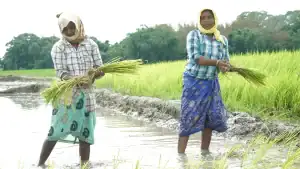
Across Eastern Province, restored land is helping improve agricultural productivity while reducing soil erosion. Farmers are adopting sustainable land management practices, modern beekeepers are producing more honey through improved hives, and cassava growers are harvesting better yields as trees planted along farm boundaries help protect soils and conserve moisture.
The environmental changes are visible from one hill to another.
Areas that were once threatened by drought and desertification are increasingly covered with forests, contributing to Eastern Province’s expanding tree cover while creating healthier ecosystems for both people and wildlife.
In Bugesera District, communities have collectively restored hectares of land, demonstrating how local participation can reverse environmental degradation while creating economic opportunities.
Forests That Now Represent Opportunity
For members of Turengere Amashyamba Ruhuha Cooperative, the restored forests are no longer simply trees—they are future businesses.
The cooperative once managed forests that generated very little value. Today, members are preparing to earn income through modern beekeeping and sustainable timber production.
“We previously had forests that produced almost nothing,” says cooperative member Mudatinya Jean Pierre.
“TREPA helped us establish new forests, and today they are growing well. We are already preparing projects in beekeeping and timber production that will allow us to benefit from these forests.”
He says the project also transformed the community’s understanding of environmental conservation.
“Initially, many people feared these forests would eventually become government property. Through the project we gained knowledge and confidence. Even after the project ends, the skills and experience will remain with us.”
A National Champion Emerges
The impact of TREPA extends beyond restoring landscapes.
It is also producing nationally recognised farmers.
At the Rwanda AgriShow 2026, held this week in Kigali, Mudatinya Jean Pierre was named the Overall Best Farmer among more than 600 exhibitors from across Rwanda.
The recognition celebrated his outstanding contribution to agricultural production and highlighted how investments in climate adaptation can also strengthen food security and rural livelihoods.
His achievement reflects the journey of many communities across Eastern Province—where restoring degraded land has gone hand in hand with restoring opportunity.
Growing Trees, Growing Prosperity
TREPA has also helped communities establish commercial tree nurseries that are generating both income and environmental benefits.
Members of Abahuje Umugambi Rwakigara Cooperative, which brings together 19 members, have more than doubled their avocado seedling production—from 7,445 seedlings to 15,000.
For cooperative member Delphine M., the project has transformed her household.
“We are grateful to TREPA for bringing us together and helping us establish our cooperative.”
She says the project has enabled her to improve her family’s livelihood.
“Today I own eight goats, and I have already sold some. I also keep 50 laying hens and another 50 cocks for sale. I have renovated my house, and all these achievements are because of the TREPA Project.”
When the Landscape Changes, So Do Lives
TREPA’s greatest achievement may not be measured solely by the number of trees planted or hectares restored.
Its lasting impact is reflected in the lives of the people who now look across Eastern Rwanda and see something they had almost forgotten.
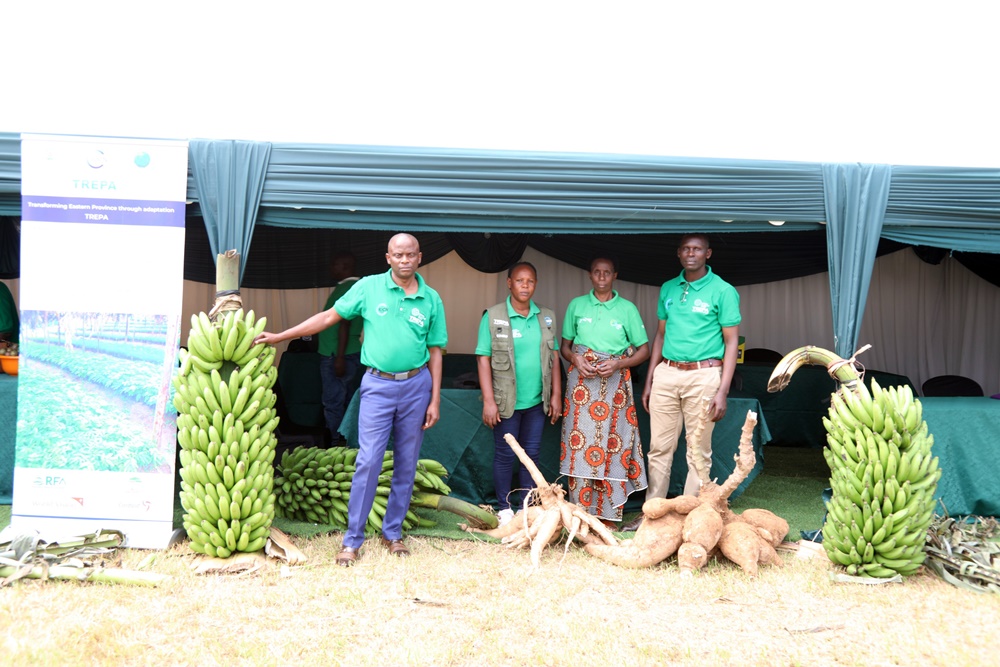
Where communities once saw barren hills marked by drought and uncertainty, they now see forests that promise timber, beehives filled with honey, productive farms and new sources of income.
The hills that once symbolised hardship have become symbols of resilience.
And as the national recognition of farmers like Mudatinya Jean Pierre demonstrates, restoring landscapes can also restore confidence, create opportunity and inspire a new generation of environmental stewards.
Today, when families in Eastern Province look toward the hills surrounding their homes, they no longer see empty land.
They see a greener future—and their place within it.
About The Author


SUBSCRIBE TO OUR NEWSLETTER