Mobile money scams persist as Rwanda’s digital payments surge
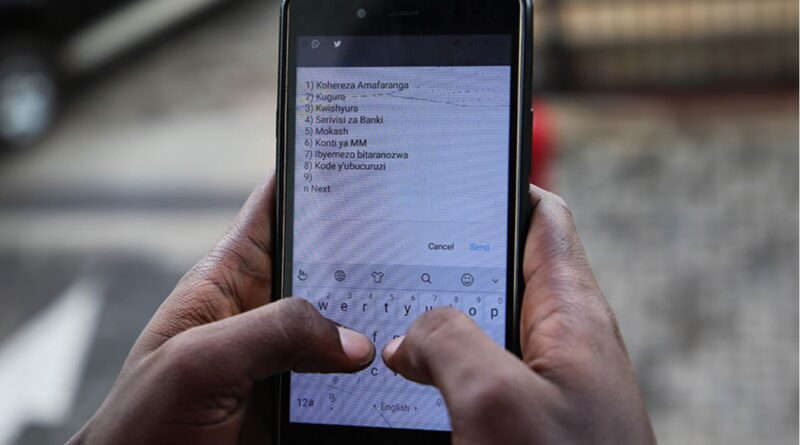
Reported financial fraud complaints in Rwanda fell by about 30 percent in the second quarter of 2026 compared with the same period a year earlier. Yet phone-based scams continue to cost consumers money, even as digital payments become part of everyday life.
According to figures presented to Parliament by Prime Minister Justin Nsengiyumva on October 2, Rwanda recorded 4,128 financial fraud complaints in the second quarter of 2025, with reported complaints falling by about 30 percent a year later. The figures reflect complaints reported to authorities, not necessarily every attempted or successful scam.
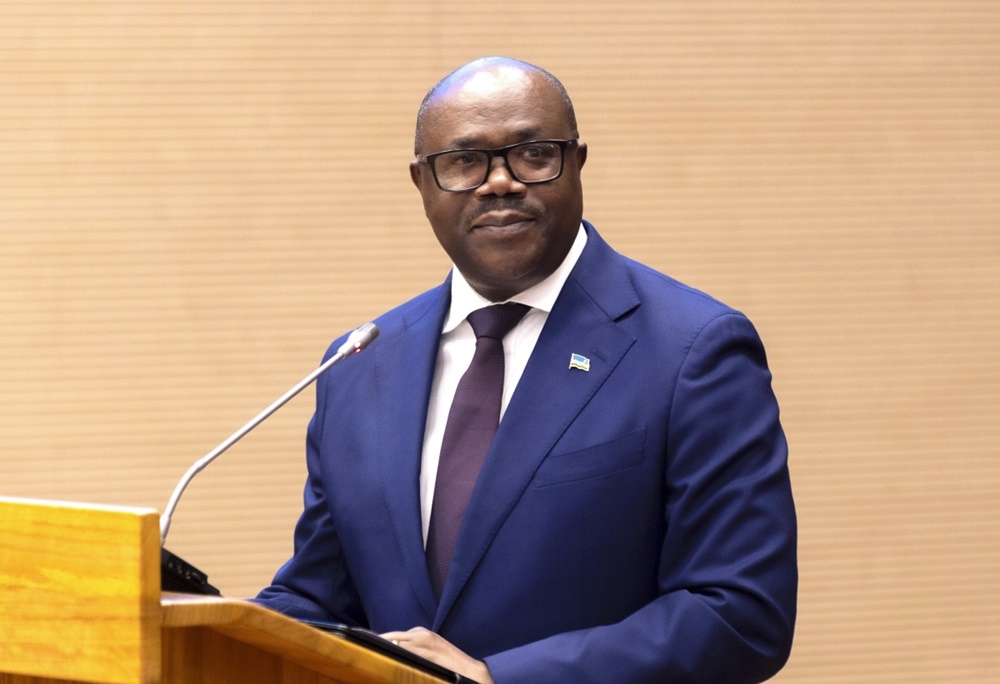
The challenge is growing alongside digital finance. The number of digital-payment transactions increased from approximately 256 million in 2017 to 3.1 billion in 2025, while their total value rose from Rwf2.9 trillion to Rwf85.5 trillion. In 2025, 73.7 percent of adults made payments through digital channels, according to figures cited by the Prime Minister.
For consumers, the convenience of transferring money by phone can be undermined by a convincing call, a fake transaction message or a request designed to create panic.
Phionah Mbabazi, a resident of Ruhango Cell in Gisozi Sector, Gasabo District, said an unknown caller told her that money had been sent to her phone by mistake and demanded its return. The caller warned that her SIM card could be blocked if she refused.
“The caller told me that they were trying to pay another person and asked me to help return the money. They warned that if I did not cooperate, they would contact MTN and have my SIM card blocked,” she said.
Mbabazi said she received a message that appeared to confirm a transfer of Rwf7,000. Fearing that her SIM card might be blocked, she followed the caller’s instructions, entering a sequence of numbers and her PIN. The call ended, and she received a notification showing that Rwf43,000 had been transferred out of her account.
“I realised that the money they had supposedly sent me had not actually reached my account. Instead, they had taken my own money. When I checked the message again, I discovered that it was fake,” she said.
When she contacted MTN, she was told the money had already been withdrawn.
How fraudsters exploit trust and fear
The Rwanda Investigation Bureau (RIB) has warned about people posing as telecommunications employees, using fake payment notifications and persuading users to disclose confidential information or enter instructions on their phones.
Janet Dusabe, from Kabeza Cell in Muhima Sector, described another scam involving a purported mistaken payment to a motorcycle taxi rider. She said Rwf1,000 appeared in her account, which she returned after receiving a request. She later discovered that the Rwf52,000 she had held in the account was gone.
“They give you many numbers, and you become confused. They first ask whether you have other money in your account and then continue with their instructions,” she said.
Dusabe believes scammers are changing their methods as people become more familiar with common mobile money tricks.
Other schemes exploit fear rather than a supposed transfer error. Gerard Ruberwa said someone claiming to be his child’s teacher called to say the child had been injured and taken to hospital. The caller requested Rwf38,000 for transport and initial medical expenses.
Ruberwa, who was in a meeting at the time, sent the money. He later visited the hospital and learned that no child by that name had been admitted. After contacting his family, he established that his child was safe. The caller’s number was subsequently switched off.
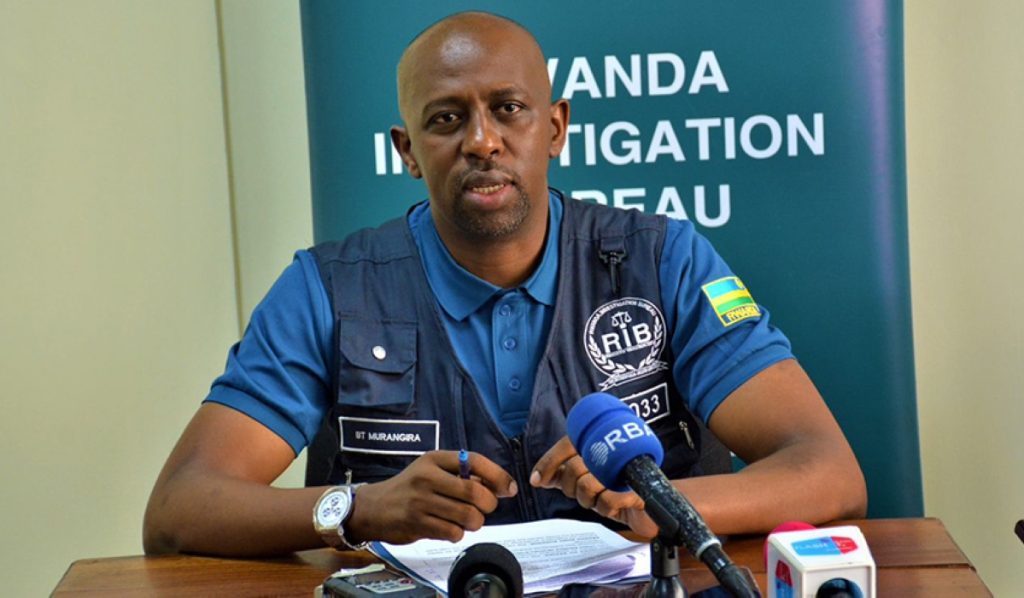
RIB spokesperson Thierry Murangira said fraudsters exploit emotions such as fear and urgency, which can lead victims to act before confirming the facts.
“Fraudsters have no specific identity or voice. They adapt to whatever will convince the victim,” Murangira said.
RIB has also warned about people posing as Irembo employees to obtain WhatsApp verification codes. Once a fraudster takes over an account, they may approach the owner’s contacts for money while pretending to be that person.
The schemes differ, but the tactics are similar: an impersonated authority, a believable story and pressure to act immediately.
Lower fraud rates, significant losses
Separate research by TransUnion points to a broader digital fraud problem. The company reported that 1.6 percent of transaction attempts involving consumers in Rwanda in 2025 were suspected of digital fraud, down from 2.7 percent in 2024 and below the global rate of 3.8 percent. Those figures measure suspected fraud among transactions assessed through TransUnion’s systems, not the proportion of all Rwandans who were defrauded.
In its consumer survey, TransUnion found that the median reported loss among surveyed Rwandans who said they had lost money to digital fraud in the previous year was Rwf869,249. Money mule scams were cited by 29 percent of respondents who reported losses, making them the most frequently identified type of loss in the survey.
Money mules move money obtained through crime on behalf of others, sometimes without realising they are helping criminals. The TransUnion survey and transaction analysis cover different measures and should not be read as directly comparable.
The company also found that attempted fraud was particularly concentrated at the account-opening stage: 7.7 percent of assessed account-creation attempts involving Rwanda were flagged as suspected fraud in 2025, compared with 1.6 percent of login attempts and 0.5 percent of financial transactions.
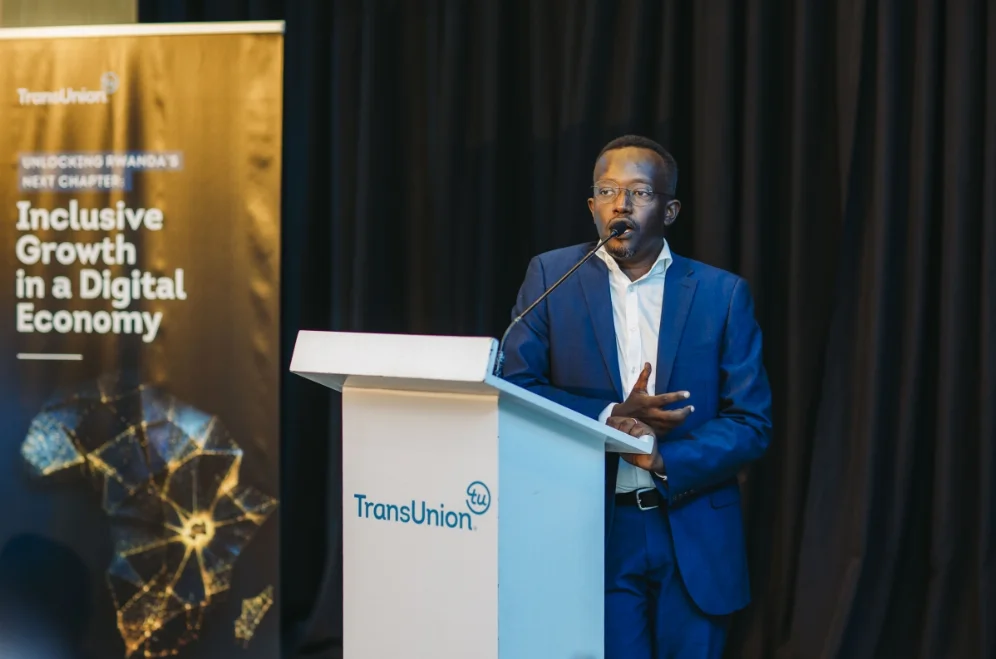
TransUnion Rwanda CEO Didier Mutabazi stressed the role of consumer confidence in the expansion of digital services.
“Access creates participation, but trust sustains participation,” Mutabazi said.
“Protecting consumers will require more than awareness alone. Institutions will need to strengthen security systems while ensuring that users have simple and practical guidance to help them protect themselves from digital threats,” he added.
Reporting quickly can improve recovery prospects
For Clarisse Umutoni, a trader at Kimironko Market, the scam began with a message suggesting that someone had mistakenly transferred money and wanted it back. Accustomed to receiving payments from customers and sometimes returning excess amounts, she did not initially suspect fraud.
She copied the number supplied and transferred Rwf25,000. Only afterwards did she discover that the purported incoming payment had never reached her account. By the time she tried to contact the recipient, the money had already been withdrawn.
Such cases show why users should check their account balance and transaction history through an official service before returning any purported mistaken payment, rather than relying on a text message or caller’s explanation. They should also never share a mobile money PIN or one-time verification code.
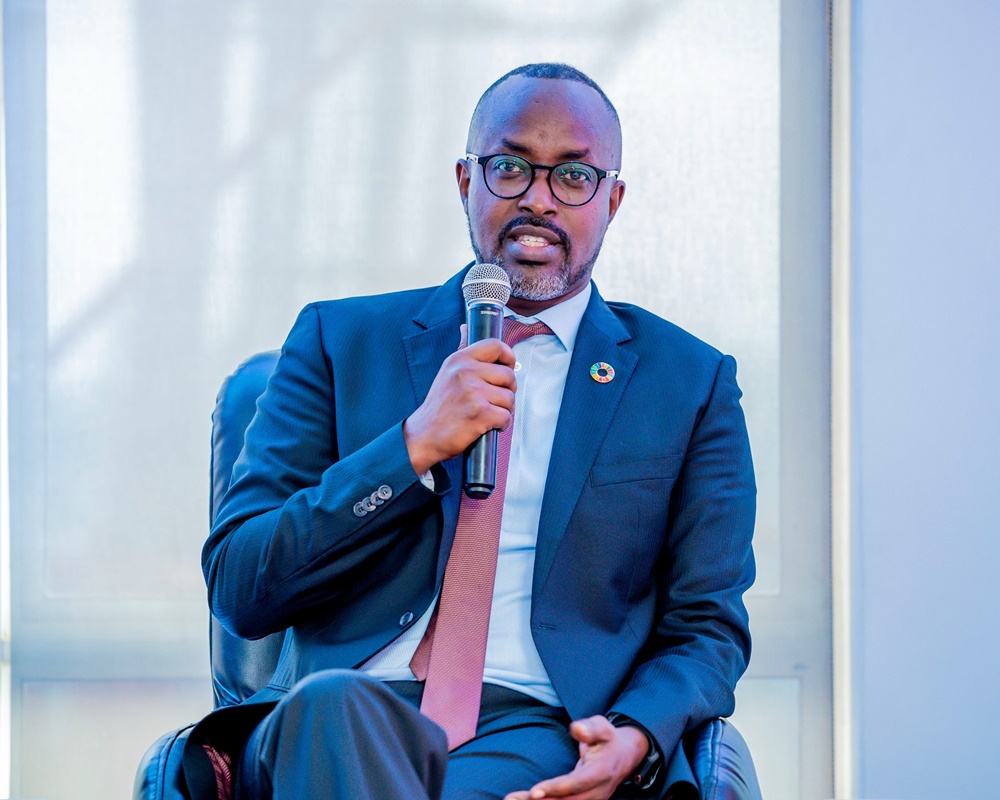
Airtel Mobile Commerce Rwanda Managing Director Jean Claude Gaga said the company uses authentication and suspicious-activity monitoring, alongside a customer service centre operating around the clock.
He said funds can sometimes be frozen if a customer reports fraud before the money is moved or withdrawn.
“If the customer reports in time, we can freeze the funds,” he said.
Banks also look for unusual transaction patterns. Steven Ndahiro, head of compliance at BPR Bank, said a sudden change in an account holder’s activity can prompt additional checks. An account normally used for small transactions, for example, could attract attention if it suddenly sends tens of millions of francs.
Detection does not guarantee recovery. A payment authorised by a customer who has been deceived may initially look like a legitimate transaction, while institutions must also guard against fraudulent requests to reverse genuine payments.
Prime Minister Nsengiyumva acknowledged that telephone fraud and attempts to obtain confidential information remain a challenge despite the drop in reported complaints.
“Although challenges remain, especially fraud using phones and scams aimed at obtaining confidential information, we continue to strengthen measures to prevent them and protect customers,” he said.
The government says it is strengthening mechanisms to prevent fraud, resolve complaints and recover misappropriated funds where possible.
RIB urges victims to report suspected fraud promptly through its toll-free line, 166, or at the nearest RIB station. Under Article 174 of Rwanda’s law determining offences and penalties in general, obtaining another person’s property through fraud can carry a prison sentence of two to three years and a fine of Rwf3 million to Rwf5 million upon conviction. Other offences may attract different penalties depending on the circumstances.
As digital transactions continue to increase, protecting users will require more than awareness campaigns. Consumers need reliable ways to verify suspicious requests, service providers must respond rapidly to reports of fraud, and investigators and financial institutions need effective coordination to improve the chances of stopping or recovering stolen funds.
About The Author


SUBSCRIBE TO OUR NEWSLETTER