Rwanda Emerges as a Model for Universal Health Protection as Africans Struggle with Health Costs
Africa is facing a deepening health financing crisis, with the World Health Organization (WHO) warning that more than 423 million people across the continent suffered financial hardship in 2022 due to out-of-pocket health expenditures, while over 384 million were pushed further into poverty as a result of medical bills.
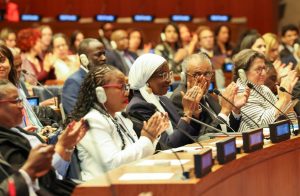
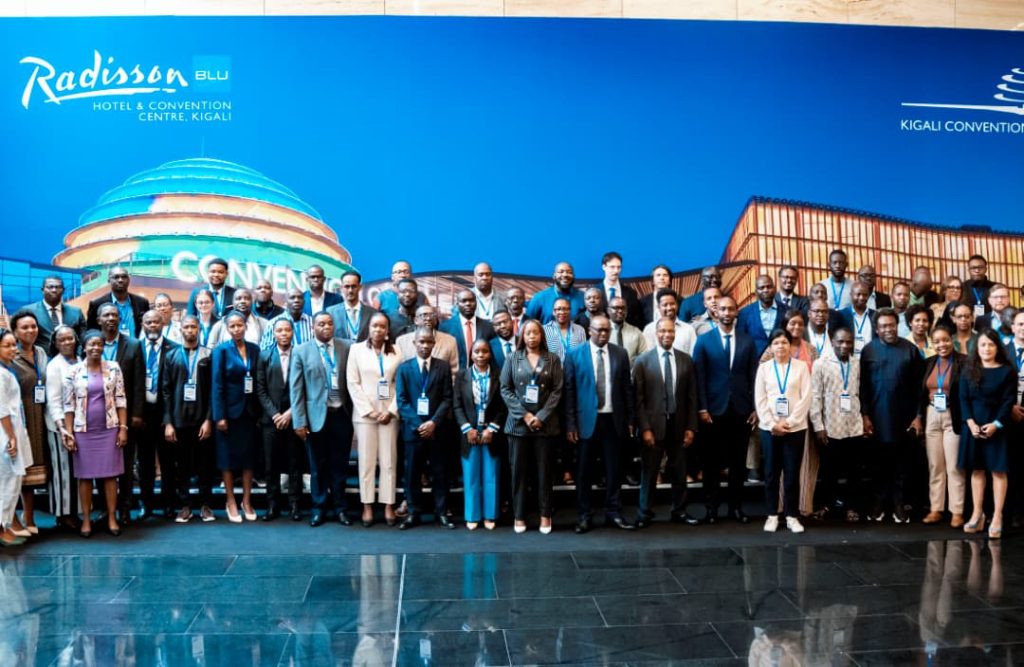
The alarming figures were presented in Kigali during the opening of a Subregional Training on Monitoring Financial Protection in Health, a four-day workshop bringing together health officials, statisticians, and development partners from across Africa. The event is jointly organized by WHO, STATAFRIC, and the World Bank.
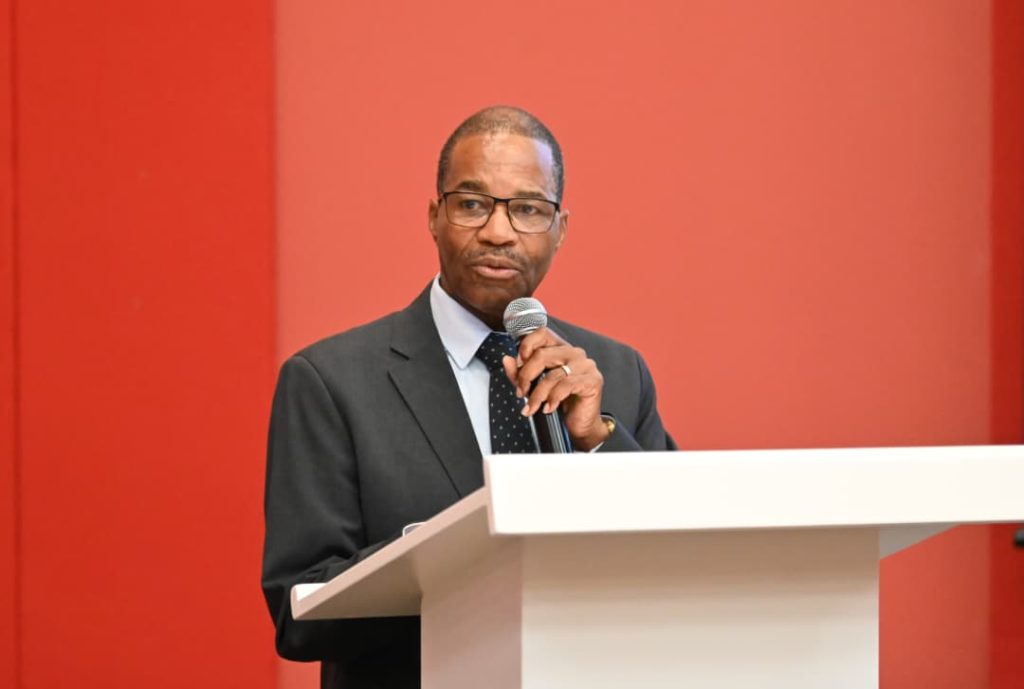
Speaking at the opening session, Dr. Brian Chirombo, WHO Representative to Rwanda, said the data reflect a silent but devastating reality affecting millions of African households who are forced into impossible choices when illness strikes.
“These are not just statistics. They represent mothers and fathers forced into impossible choices choosing between paying for treatment or putting food on the table, buying medicines or paying school fees. No family should have to make such heartbreaking trade-offs for the sake of health,” Dr. Chirombo said.
He stressed that financial protection is a core pillar of Universal Health Coverage (UHC), equal in importance to service availability and quality of care, warning that health systems cannot be considered successful if they drive people into poverty.
“We cannot truly achieve Health for All if people are impoverished by the very services meant to protect their well-being. Ensuring that no one is left behind or pushed deeper into poverty by health expenses is central to our mission,” he added.»
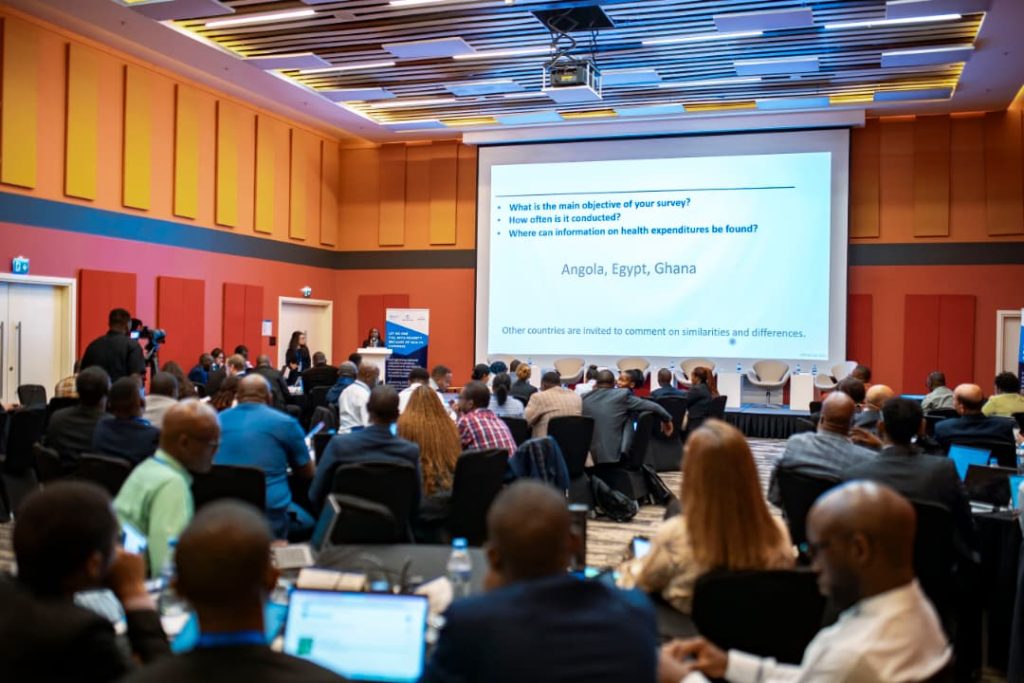
The WHO Representative emphasized that monitoring financial protection is essential for identifying gaps in health systems, exposing inequalities, and guiding reforms that reduce out-of-pocket payments. The Kigali training also focuses on a revised global methodology for tracking Sustainable Development Goal (SDG) Indicator 3.8.2, which measures financial hardship caused by health spending.
Experts attending the workshop are expected to strengthen their capacity in data analysis, interpretation, and the translation of evidence into national health financing policies. WHO and the World Bank, as co-custodians of the indicator, reaffirmed their commitment to supporting countries in using data not only for reporting but also for real policy change.
Dr. Chirombo highlighted the importance of collaboration between Ministries of Health and National Statistical Offices, describing it as essential for building stronger, evidence-driven health systems.
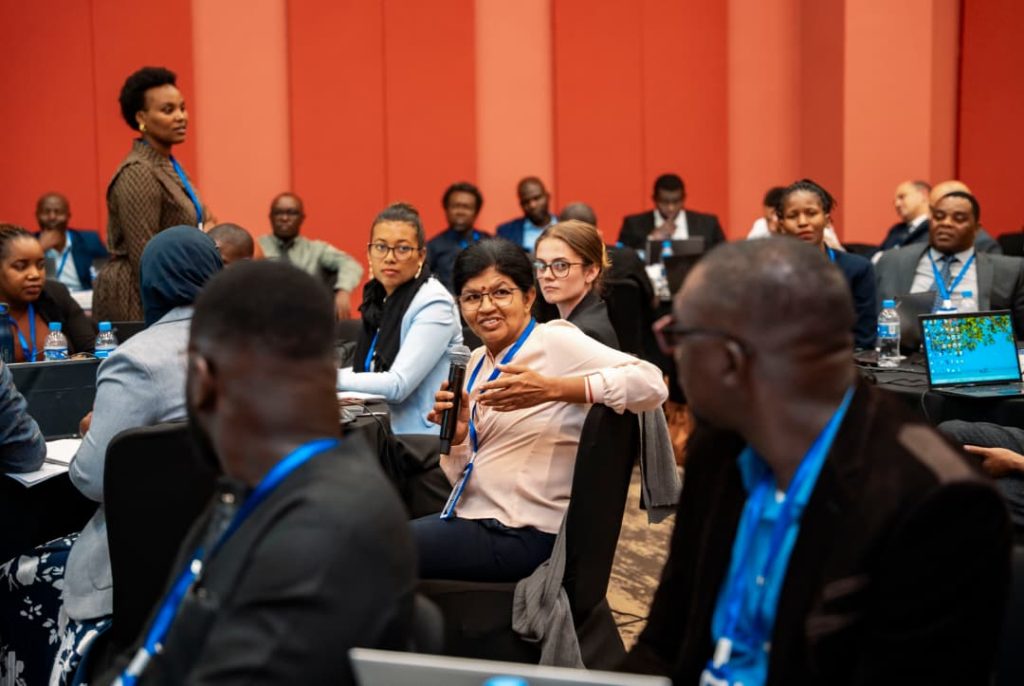
“This workshop is not just a technical training. It is part of a broader effort to institutionalize financial protection monitoring and turn data into better policy,” he noted.
While the continental picture remains concerning, Rwanda was highlighted as a positive example of progress in expanding healthcare access and reducing financial barriers. Through its community-based health insurance scheme, Mutuelle de Santé, and sustained investment in primary healthcare, the country has significantly increased insurance coverage and reduced out-of-pocket spending to among the lowest levels in Africa.
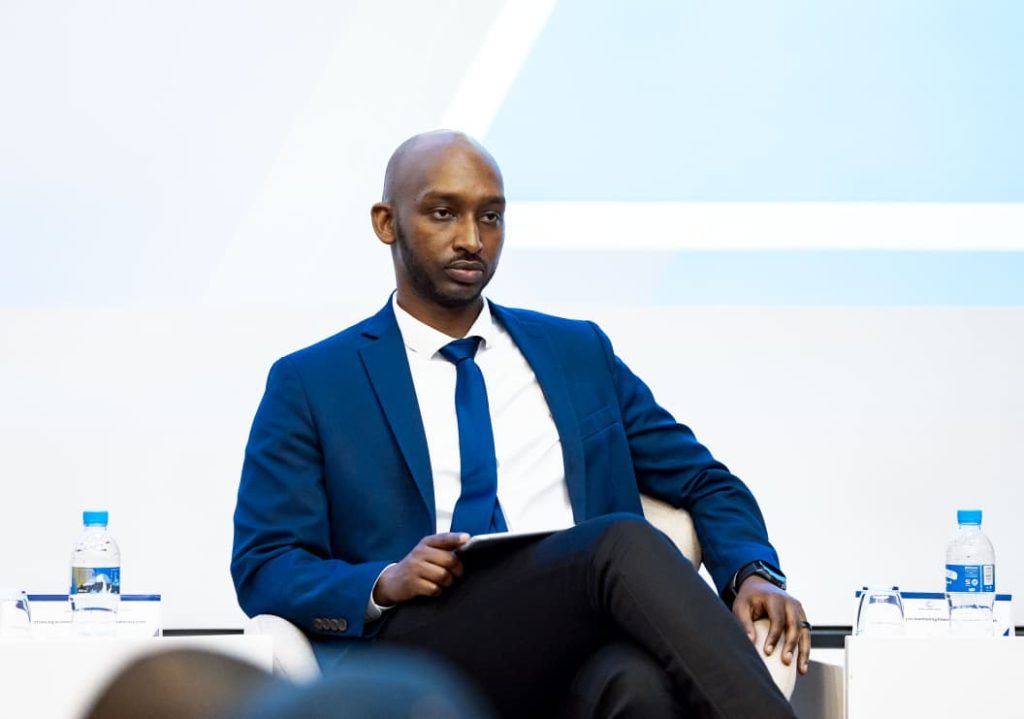
Building on this success, Fernand Rwamwejo, an official from Rwanda’s Ministry of Health, said the government continues to prioritize proximity and accessibility of healthcare services as a key strategy for improving public health outcomes.
“Rwanda is doing everything possible to protect its citizens from health-related challenges. We have invested significantly in bringing health centers and medical facilities closer to communities so that people can access the care they need more easily and on time,” Rwamwejo said.
He added that decentralizing health services has helped reduce travel time for patients and improved timely access to essential care, particularly in rural areas where access was previously limited.
“Our goal is not only to increase the number of health facilities, but also to ensure that services that once required long journeys are now available closer to the people. This helps improve health outcomes and guarantees equitable access to healthcare for all,” he said.
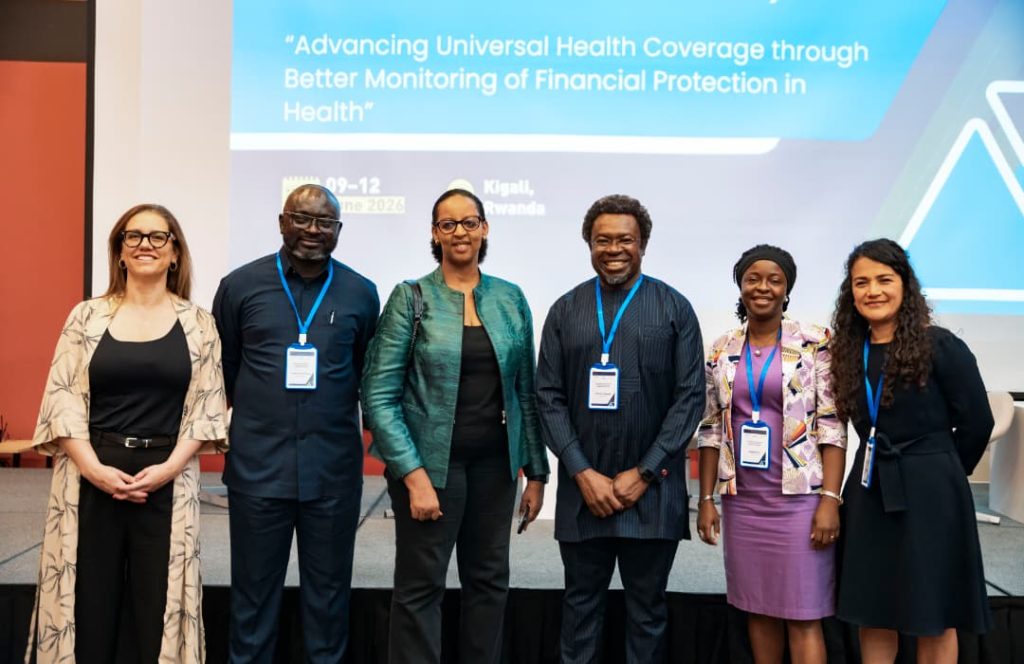
Despite Rwanda’s progress, WHO cautioned that continued monitoring remains essential to ensure that no group is left behind and that financial protection gains are sustained over time.
Closing the opening session, Dr. Chirombo called on participants to use the Kigali workshop as a platform for stronger collaboration and transformative action across the continent.
The training is expected to strengthen health financing systems across Africa and reinforce the shared goal of ensuring that access to healthcare never becomes a pathway to poverty.
About The Author


SUBSCRIBE TO OUR NEWSLETTER