How to Transform Rugezi Wetland into Rwanda’s Fifth National Park
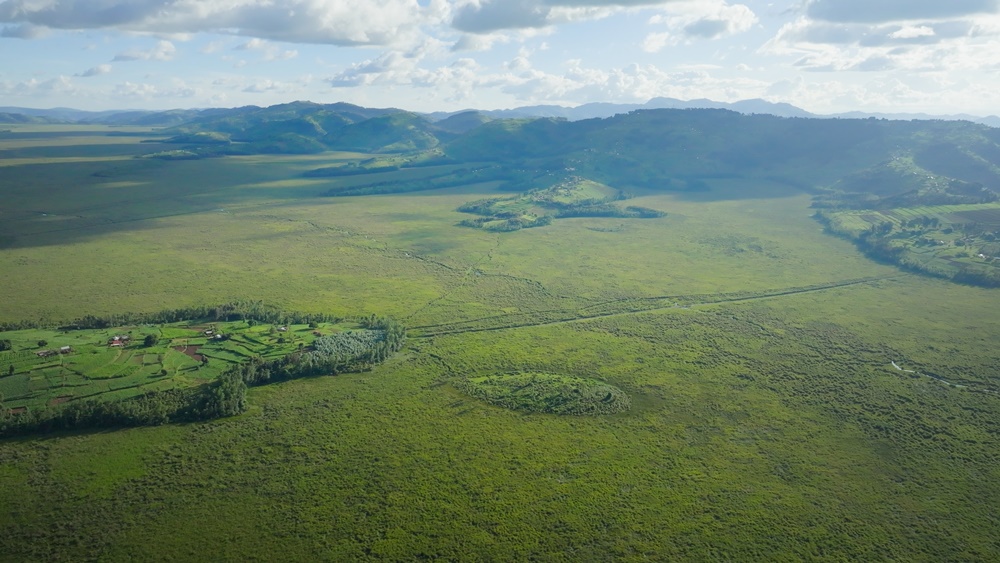
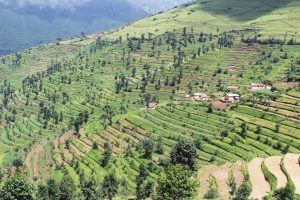
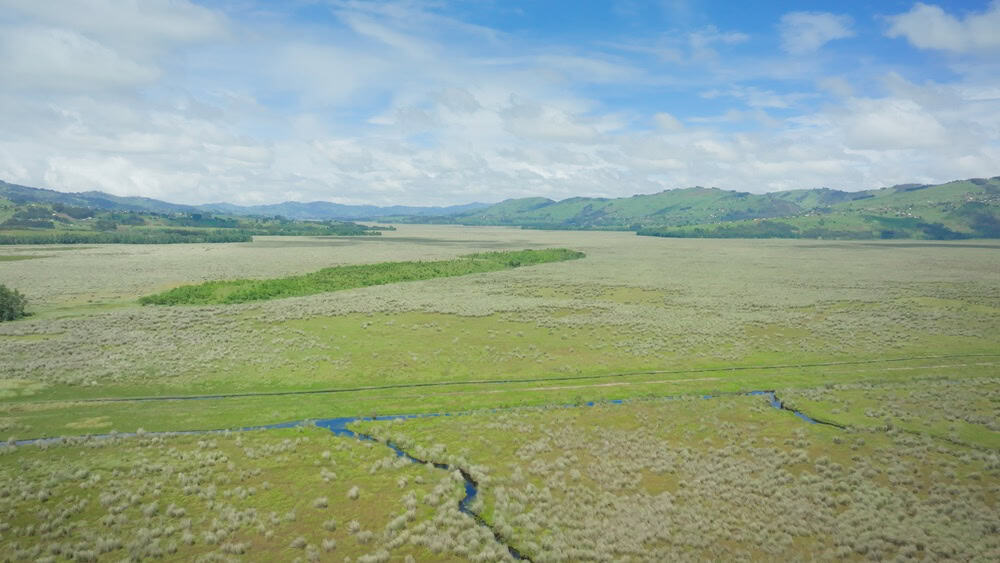
Rugezi Wetland, Drone View.
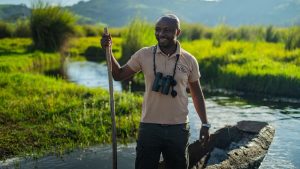
Rwanda is assessing what it would take to transform Rugezi Wetland and surrounding areas into the country’s fifth national park.
Additionally, Rwanda expects the feasibility study to provide recommendations on the proposal by the end of 2026.
The proposed conservation and tourism destination could bring together Rugezi Wetland with the islands of Lakes Burera and Ruhondo.
Researchers are currently examining two possible scenarios.
Additionally, these include a national park around Rugezi alone, or a protected area with the wetland and the two lakes.
READ ALSO: Moreover, Rwanda’s Grey Crowned Crane Population Rises to 1,438 After a Decade of Conservation
Dr. Deo Ruhagazi, Deputy CEO of the Rwanda Wildlife Conservation Association (RWCA), said the organization is conducting the feasibility study in collaboration with the Rwanda Development Board (RDB) and researchers from different fields.
The study is examining three major areas: ecological feasibility, business and investment potential, and the socioeconomic implications for communities living around the proposed park.
“We are conducting an ecological feasibility study to understand the biodiversity found here and whether the species, vegetation and other ecological features make Rugezi an important area that could qualify as a national park,” Ruhagazi said.
Researchers are assessing the wildlife and plant species found in the wetland, while a separate business feasibility study is examining the investment required if Rugezi becomes a national park and whether such investments could generate sufficient returns.
The socioeconomic assessment is focusing on how a change in conservation status could affect surrounding communities, including both potential benefits and possible losses.
Ruhagazi said consultations have been conducted with government officials from the village to district levels, as well as residents in selected communities.
READ ALSO: Gicumbi: Rwf269 million center opens to support communities around Rugezi Marsh
Many residents consulted so far have expressed expectations that national-park status could bring better infrastructure, increased tourism-related opportunities and greater access to markets for local products.
“People see that if it becomes a national park, infrastructure will increase here. They also expect to benefit from revenue sharing, and many believe they will have better opportunities to sell their products,” Ruhagazi said.
However, he stressed that the process has not yet reached a conclusion.
A first draft of the feasibility assessment is already being reviewed, but the different components of the study still have to be completed and brought together before a final recommendation can be made.
“We cannot say yet whether it will succeed or not because this is a process. We still have information to document, including species and other findings,” he said.
The final feasibility report is expected by the end of 2026 or early 2027 and will guide a decision at the national level.
READ ALSO: RWCA Turns 10 Years With Landmark Recovery of Grey Crowned Cranes in Rwanda
The study could recommend that Rugezi become a national park, that it be given another conservation status such as a nature reserve, or that additional measures be taken before such a designation can be considered.
Two possible park models
The feasibility study is also examining two different models for the proposed protected area.
Under the first scenario, Rugezi Wetland would be considered on its own for national-park status.
The second would create a larger tourism and conservation landscape linking Rugezi Wetland with Lakes Burera and Ruhondo and their islands.
The latter option would require an assessment of the infrastructure and investment needed to develop the wider destination.
Ruhagazi said the final recommendations from the feasibility study would then be submitted to higher-level decision-makers.
If the national-park option is approved, the proposal would proceed through the required government processes before the area could formally be gazetted as a national park.
“The feasibility study will give recommendations, and those recommendations are what we will send to the higher level for a decision,” Ruhagazi said.
Northern Province Governor Maurice Mugabowagahunde said the studies are at an advanced stage and are expected to be completed by December 2026.
He said the first phase had examined the wildlife and attractions that visitors could experience in Rugezi, revealing species beyond the Grey Crowned Cranes for which the wetland is widely known.
The proposed development could also involve improvements to roads, electricity access and accommodation facilities to support visitors, according to the Governor.
He said the initiative could help diversify tourism in the Northern Province beyond the mountain gorilla experience.
A biodiversity-rich wetland
The proposal comes as new research highlights the ecological importance of Rugezi Wetland.
A recent biodiversity survey conducted by RWCA identified 741 species in the wetland, including 472 species that had not previously been recorded there.
The survey documented 197 plant species, 134 bird species and 53 mammal species, including 22 bat species.
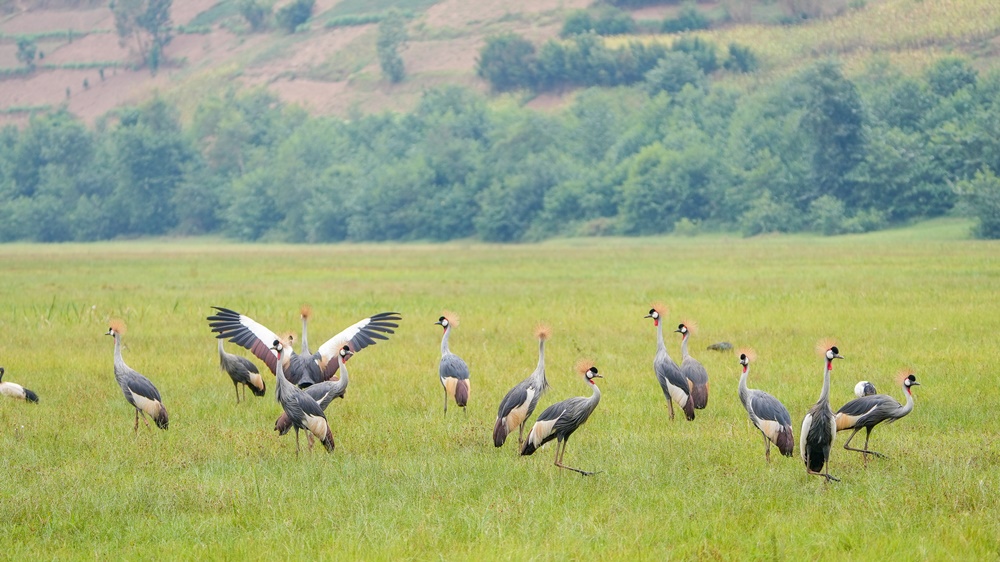
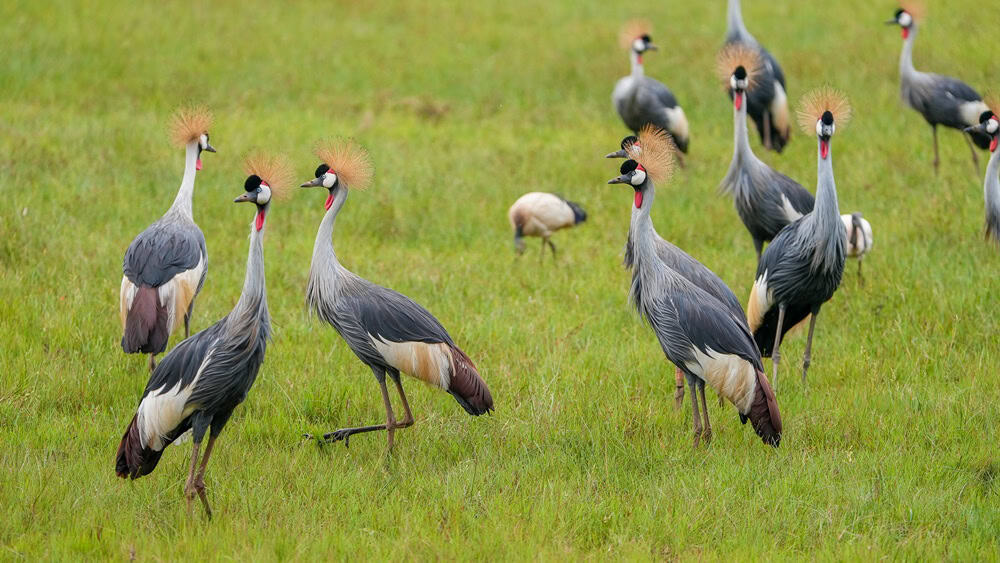
Rugezi is also an important habitat for the Grey Crowned Crane, an endangered species according to the International Union for Conservation of Nature (IUCN).
RWCA data shows that the number of Grey Crowned Cranes recorded in the wetland increased from 71 in 2017 to 378 in 2026.
The latest count means Rugezi now supports more than one-quarter of Rwanda’s entire Grey Crowned Crane population.
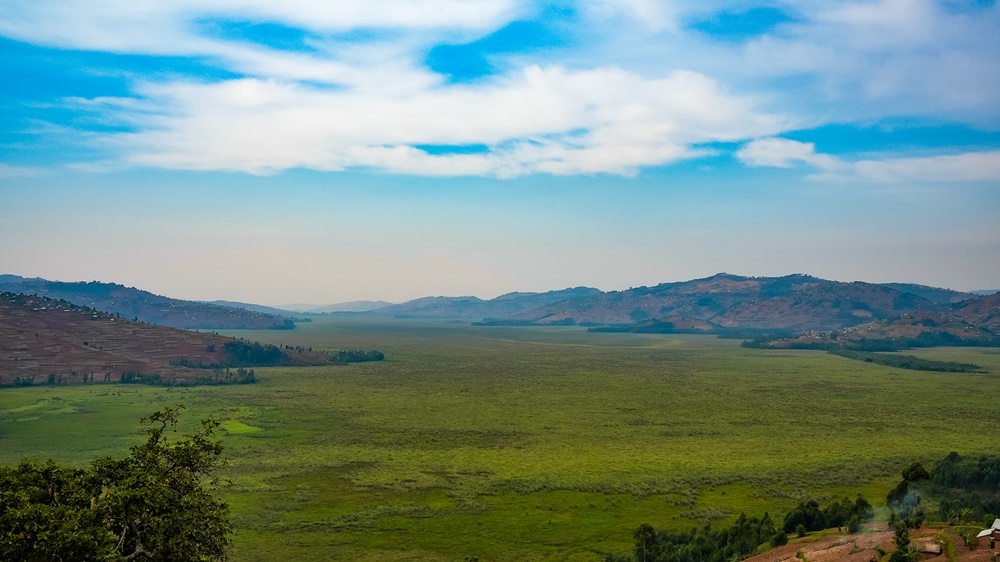
The wetland covers approximately 6,735 hectares across Burera and Gicumbi districts and sits at an altitude of about 2,100 meters.
It is also important to Rwanda’s water system, supplying water that flows toward the Nile River and supporting the Ntaruka hydropower plant.
Rugezi is already recognized internationally as a Ramsar site. Rwanda’s wetland management framework identifies it among wetlands under total protection, reflecting its ecological importance.
BirdLife International has also classified Rugezi as an Important Bird Area because of its importance for threatened bird species, including the Grey Crowned Crane and Grauer’s swamp warbler (Bradypterus graueri).
If the proposal proceeds, the new park would therefore add a formal national-park framework to an ecosystem that already has significant conservation recognition.
For now, however, the decision remains subject to the outcome of the feasibility studies.
Only after the required approvals would Rugezi, either on its own or as part of a wider Rugezi-Burera-Ruhondo landscape, formally become a national park.
About The Author


SUBSCRIBE TO OUR NEWSLETTER