Rwanda’s Grey Crowned Crane Population Rises to 1,438 After a Decade of Conservation
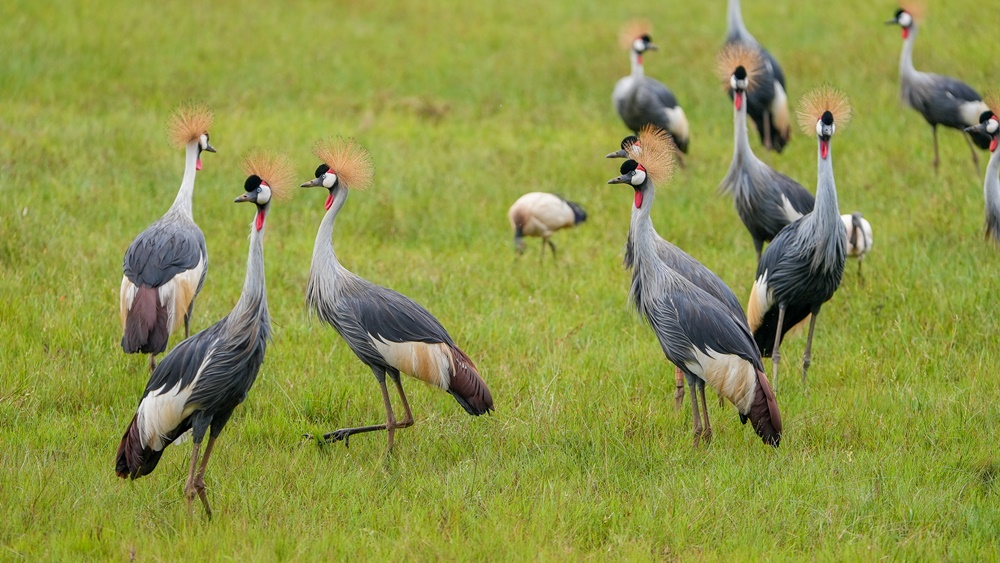
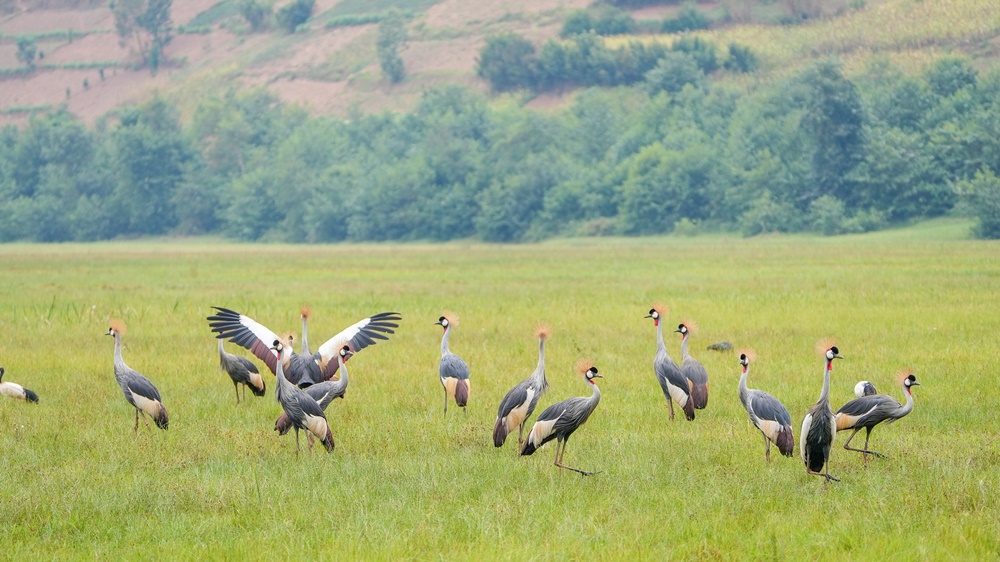
A flock of Grey Crowned Cranes (Balearica regulorum)
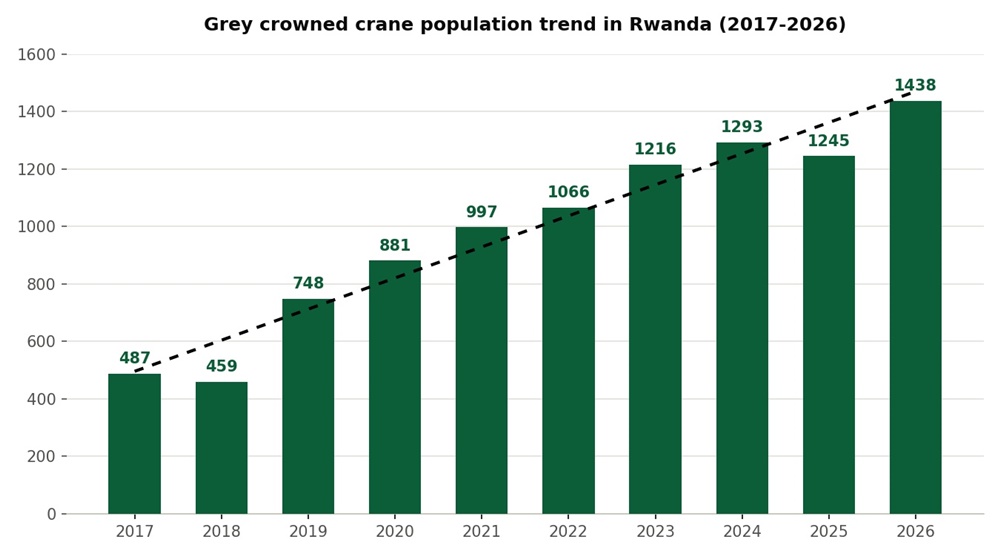
Rwanda’s population of Grey Crowned Cranes has risen to 1,438, marking a major recovery for one of the country’s most threatened bird species after a decade of sustained conservation efforts.
The figure was released on Friday, August 14, 2026, by the Rwanda Wildlife Conservation Association (RWCA) following the 10th consecutive national census of Grey Crowned Cranes.
The latest count represents a sharp increase from the fewer than 300 cranes estimated to be living in the wild in Rwanda when RWCA began its conservation programme in 2015.
The first nationwide census, conducted in 2017, recorded 487 cranes, providing the country with its first scientifically verified population baseline. Since then, annual censuses have enabled conservationists to track population changes and identify important breeding and feeding areas as well as emerging threats.
“This milestone belongs to the people who made it possible,” said Dr. Deo Ruhagazi, Deputy CEO of RWCA, crediting Community Conservation Champions, Community Rangers and communities for collecting information and helping protect the birds.
“Rwanda’s crane population came back because Rwandans brought them back,” he said.
From endangered birds to protected habitats
The recovery has involved more than rescuing individual cranes.
When conservation efforts began, Grey Crowned Cranes faced threats including illegal capture for the pet trade, captivity in private gardens and hotels, and widespread degradation of wetlands.
Working with the Government of Rwanda, RWCA launched a nationwide campaign to register captive cranes, rescue those being illegally kept, rehabilitate them and return many to the wild.
But conservationists say the survival of the species ultimately depends on protecting the habitats on which the cranes rely.
Grey Crowned Cranes use wetlands and surrounding landscapes for breeding and feeding and move between different habitats throughout the year. As monitoring improved, conservationists found that maintaining a connected network of safe and healthy wetlands was essential to sustaining the population.
RWCA has therefore combined wetland restoration and protection with scientific monitoring, conservation education, community engagement and efforts to address threats.
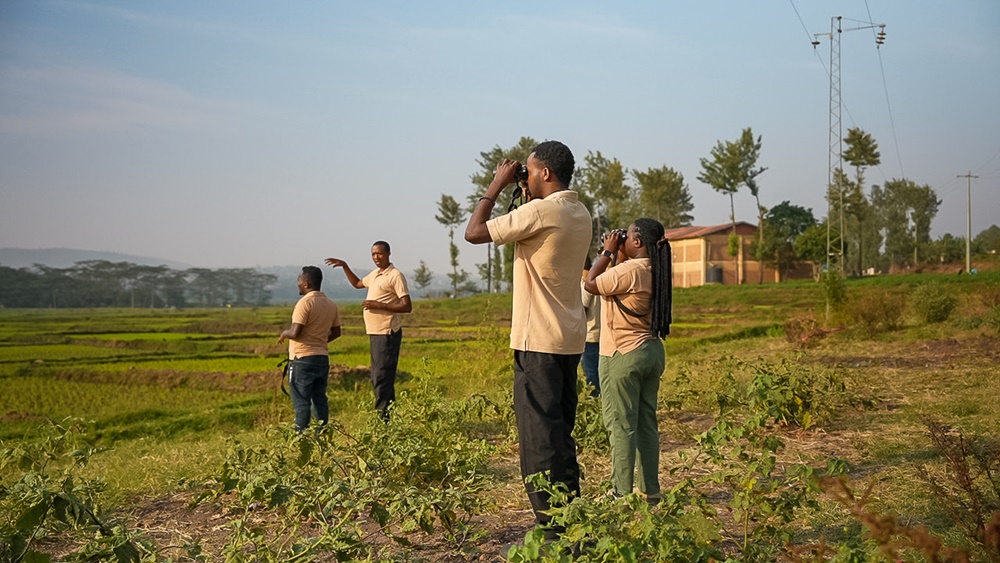
Its network of Community Conservation Champions and Community Rangers monitors breeding sites, reports threats, helps deter illegal activities and works with communities to protect important wetland habitats.
Rugezi Marsh records major recovery
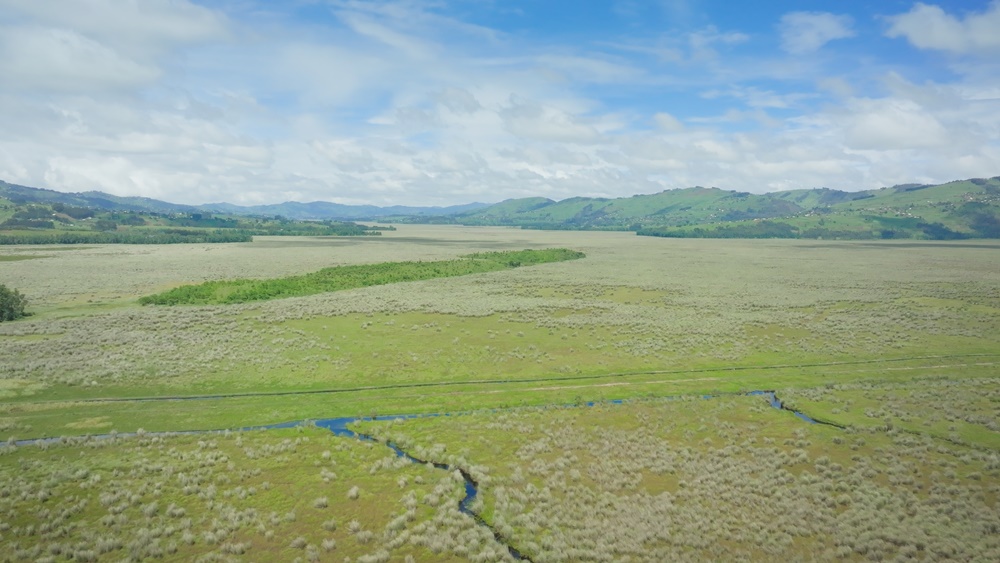
One of the clearest examples of the recovery is Rugezi Marsh, one of Rwanda’s important wetland habitats.
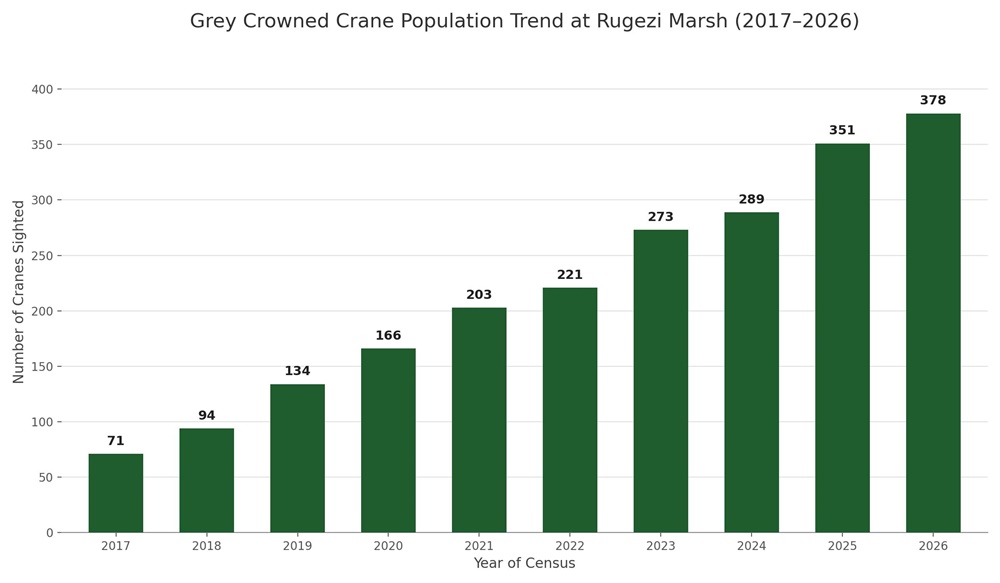
The number of Grey Crowned Cranes recorded there has increased from 71 in 2017 to 378 in 2026. The latest figure means Rugezi Marsh now supports more than one-quarter of Rwanda’s entire Grey Crowned Crane population.
The growth has occurred alongside continued efforts to restore and protect the marsh and work with neighbouring communities.
RWCA currently has 75 Community Rangers patrolling Rugezi Marsh daily. Their responsibilities include monitoring cranes and breeding sites, reporting illegal activities, supporting habitat restoration and working with communities to ease pressure on the wetland.
The organization says the experience demonstrates the connection between habitat protection and wildlife recovery: when wetlands are protected and communities are involved in conservation, threatened species can recover.
Cranes cross borders, requiring regional cooperation
The latest conservation work has also highlighted the importance of cooperation beyond Rwanda.
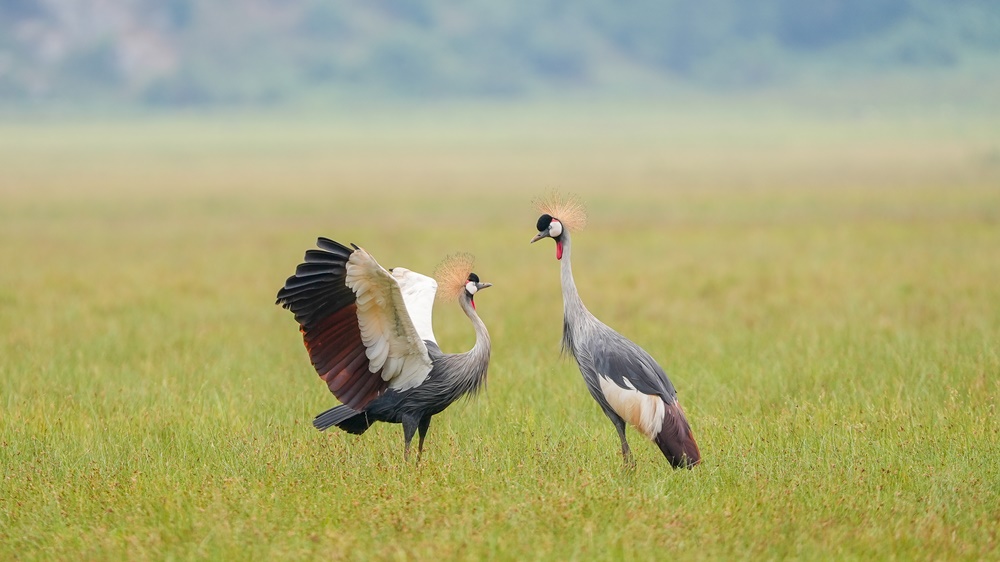
GPS tracking of tagged Grey Crowned Cranes has shown that some birds regularly cross Rwanda’s borders into Uganda and Tanzania. This has prompted conservation organizations in the region to coordinate their efforts.
In 2022, RWCA launched a transboundary Grey Crowned Crane conservation initiative with Nature Uganda, Nature Tanzania and the International Crane Foundation. The Association Burundaise pour la Protection de la Nature joined the initiative in 2025.
Partner organizations across the four countries now conduct coordinated crane censuses to build a shared understanding of crane populations and movements and strengthen regional conservation planning.
Recovery does not mean the threat is over
Despite the strong population growth, Grey Crowned Cranes remain classified as Endangered on the IUCN Red List.
Wetland degradation, agricultural expansion, disturbance of breeding sites, illegal captivity and increasing human-wildlife conflict continue to threaten the species and its habitats.
RWCA says the latest census demonstrates that sustained conservation can produce results, but maintaining the recovery will require continued investment in wetland protection, community conservation, scientific monitoring and regional cooperation.
The annual census has been conducted during the dry season since 2017, when cranes are easier to observe. Teams survey wetlands, agricultural landscapes and other known crane habitats using ground surveys and GPS-enabled digital data collection, while aerial surveys complement observations in inaccessible areas such as Rugezi Marsh.
For Rwanda, the increase to 1,438 cranes represents a significant conservation milestone. But for conservationists, it also marks the beginning of another challenge: ensuring that the species continues to recover over the next decade.
About The Author


SUBSCRIBE TO OUR NEWSLETTER