How rehabilitation skills helped his blind wife contribute to their family’s development
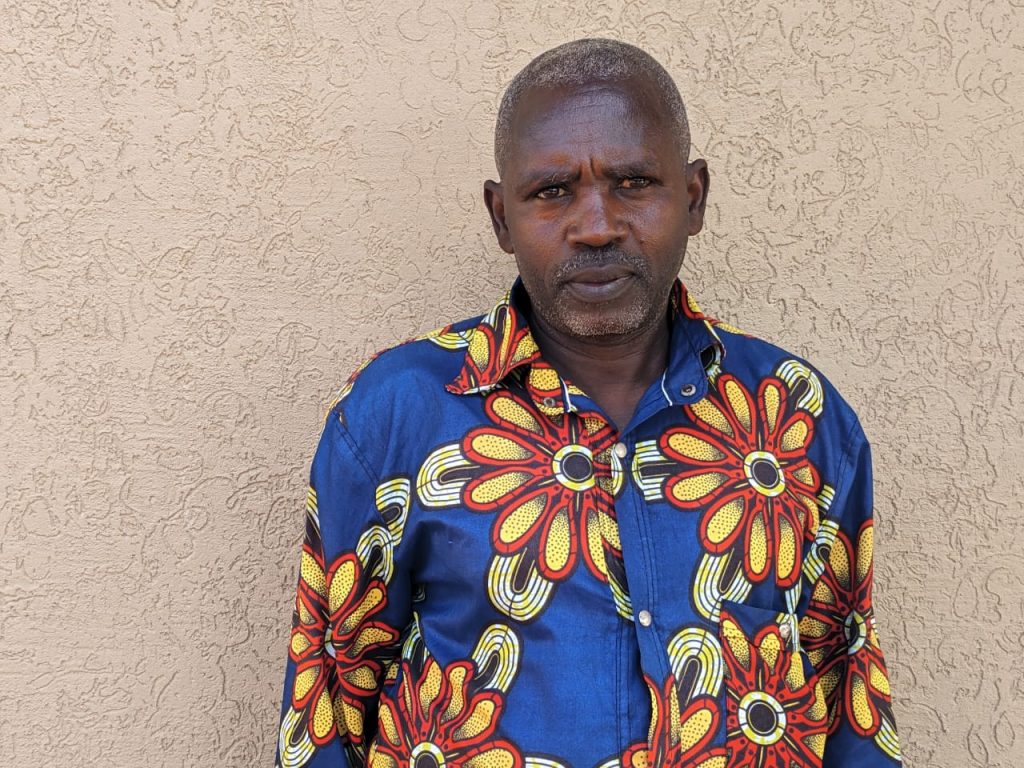
Jean Bosco Siborurema.
Jean Bosco Siborurema says his wife, Venancilla Uwamahoro, has become an important contributor to their family’s development despite losing her sight about 13 years ago.
The couple, who live in Nyagatare District, have seen a major change in their household since Venancilla underwent rehabilitation and vocational training at the Masaka Resource Centre for the Blind (MRCB).
Before going to MRCB, Venancilla depended heavily on her children for many everyday household activities. Today, she makes soap, earns income and contributes to household expenses and agricultural activities.
“She has helped me develop as well. She has bought three goats and a pig. At home, I no longer have to worry about buying salt, soap or cooking oil because she can contribute to those needs, while I concentrate on farming,” Siborurema said.
From dependence to contribution
Venancilla had been living with blindness for about eight years before she was introduced to MRCB.
Her sight loss came suddenly. According to Siborurema, the couple had returned home from a wedding when Venancilla began experiencing problems with her eyes. She was later taken for treatment, including at Kabgayi, but her condition did not improve.
The family initially struggled to understand how she would continue with daily life.
“I told myself that she did not cause this, and I did not cause it either. I had no choice but to continue living with her as we had before. As the days passed, we accepted the situation and continued living together as we had before she lost her sight,” Siborurema said.
However, Venancilla’s loss of sight left her heavily dependent on family members.
“She could not wash clothes. The children did those things for her. She did not know how to wash dishes, peel bananas or potatoes, or cook generally,” he said.
Her situation began to change after she went to MRCB for rehabilitation.
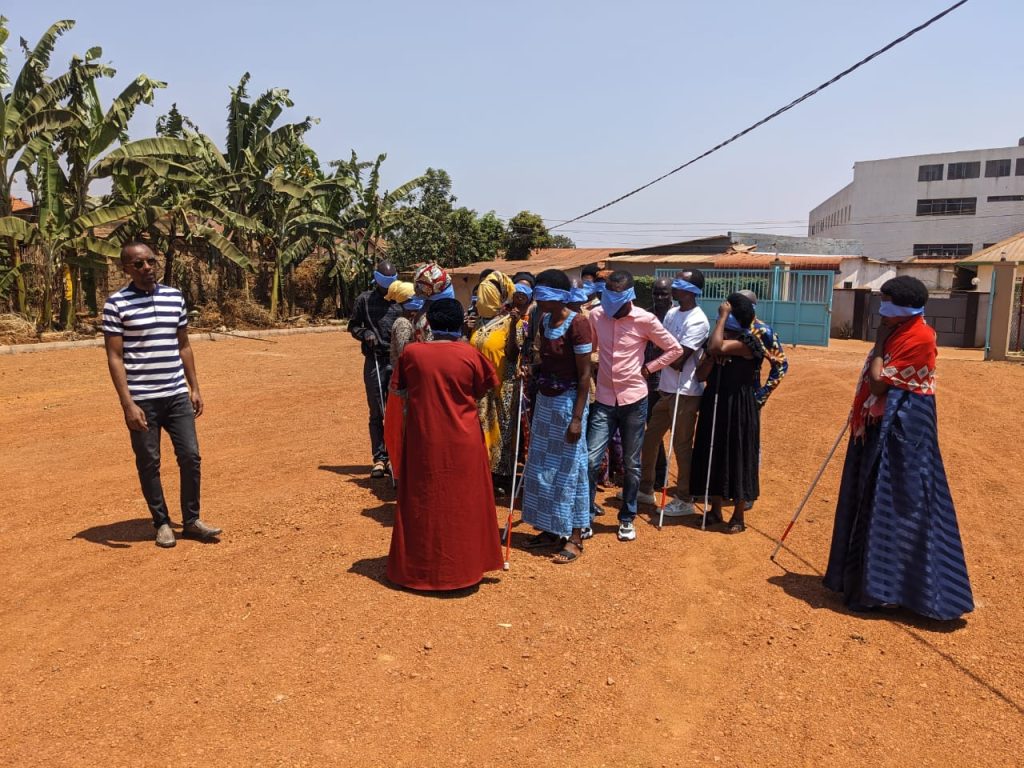
There, she learned practical skills including cooking, washing clothes, food preparation and mobility.
After about six months, she returned home able to perform many of the activities she had previously depended on others to do.
“She came back knowing all those things. They had taught her everything,” Siborurema said.
Rehabilitation opens an economic opportunity
Venancilla’s rehabilitation later went beyond basic household skills.
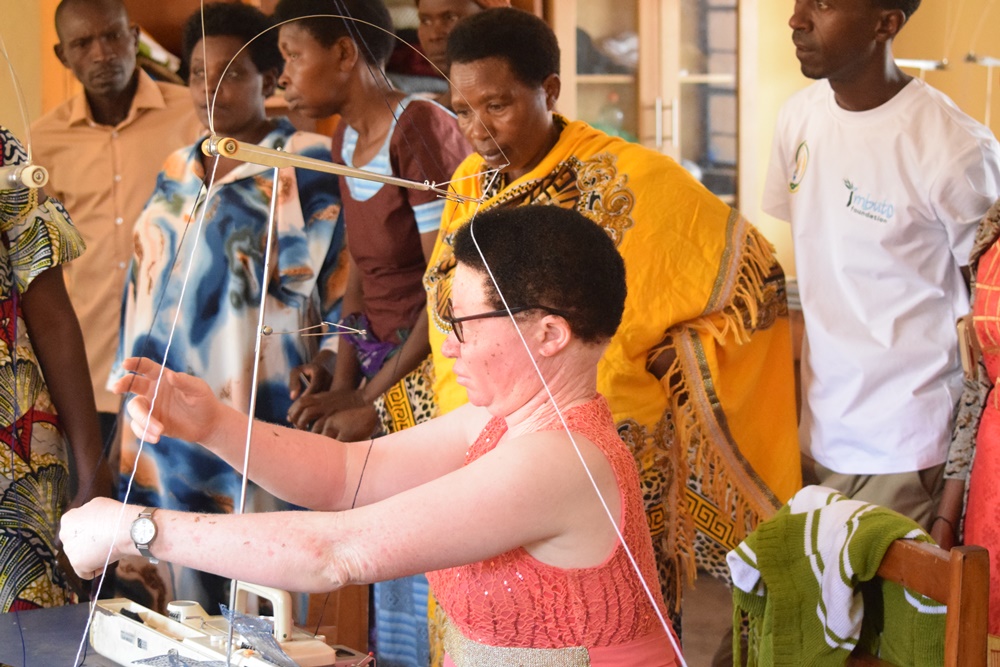
She returned to MRCB for vocational training, where she learned how to make products including soap and oils.
After completing the training, she began making soap and earning income from it.
For her husband, this has transformed her role in the household.
Siborurema, 54, said his 53-year-old wife now contributes to household expenses and agricultural activities.
“She can make soap and earn about Rwf3,000, then tell me to take the money and hire someone to work in the field, while I help with cultivating our terraces. We support each other very much,” he said.
He said her earnings have also helped the family acquire livestock.
“She has bought three goats and a pig,” he said.
The couple’s experience shows how rehabilitation can extend beyond helping people with visual disabilities perform everyday activities. It can also provide skills that enable them to participate in household economic activities.
For Venancilla, the ability to earn and contribute has also strengthened her place within the family.
Rather than being viewed only as someone who needs support, she has become a partner in meeting household needs and investing in the family’s future.
A husband who chose support
Siborurema said the family’s journey was not always easy.
When Venancilla first became blind, he said they experienced uncertainty and feared what the future would look like.
But he decided that her blindness should not change their relationship.
He now advises other families whose relatives or spouses develop visual disabilities later in life to remain patient and supportive.
“My advice to families is that when someone you have been living with develops blindness, the first thing is to be patient. You have to understand that they are still the same person. Do not distance yourself from them. Help them and stay close to them,” he said.
He also rejects the idea that losing one’s sight means losing the ability to contribute to a household.
“Just because someone you have been living with develops a visual disability does not mean you should leave them and look for someone who can see. A person who cannot see can also do things just like the person I live with. There is nothing she cannot do at home, and she learned those skills at MRCB,” he said.
RUB says more community awareness is needed
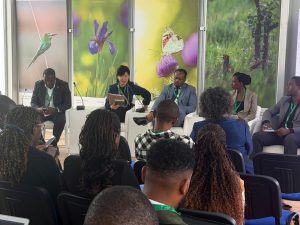
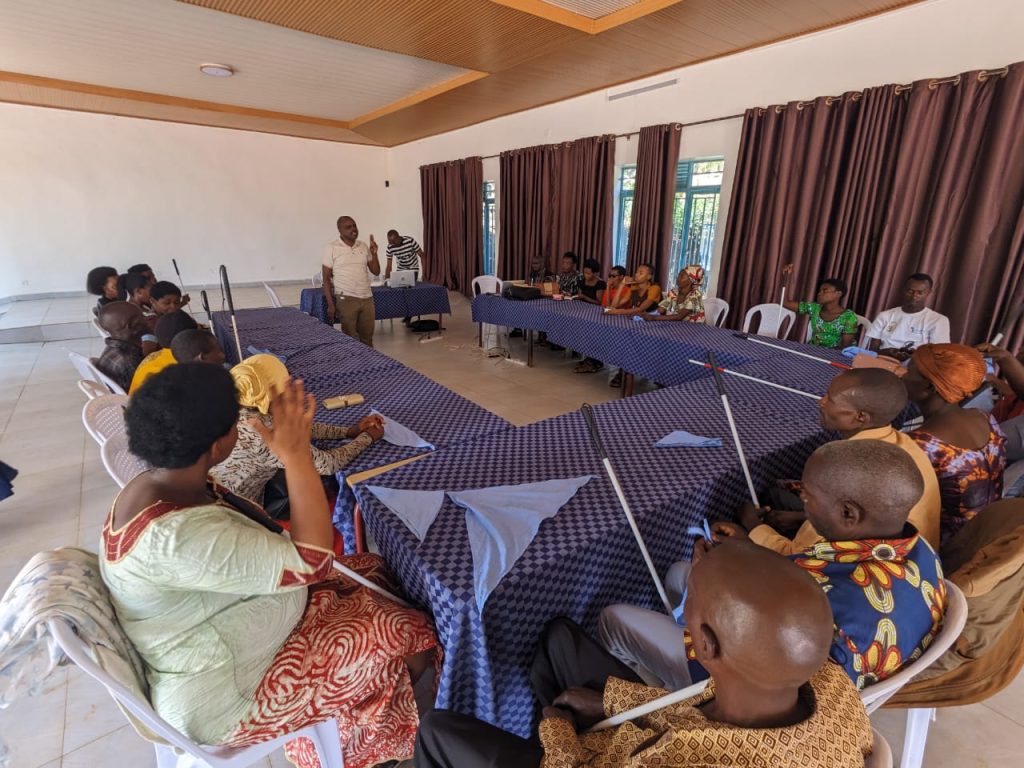
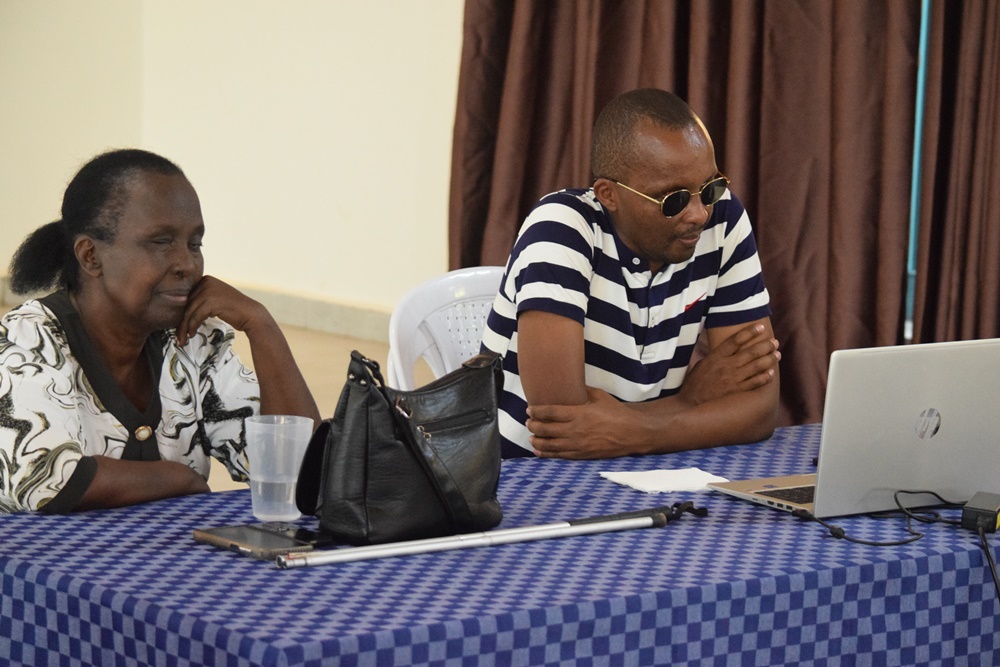
Venancilla’s experience was shared during a gathering organized by the Rwanda Union of the Blind (RUB) on August 14, 2026, at the Masaka Resource Centre for the Blind.
The meeting brought together families, caregivers, relatives, parents and blind and partially sighted people to share experiences and discuss how families can better support people with visual disabilities.
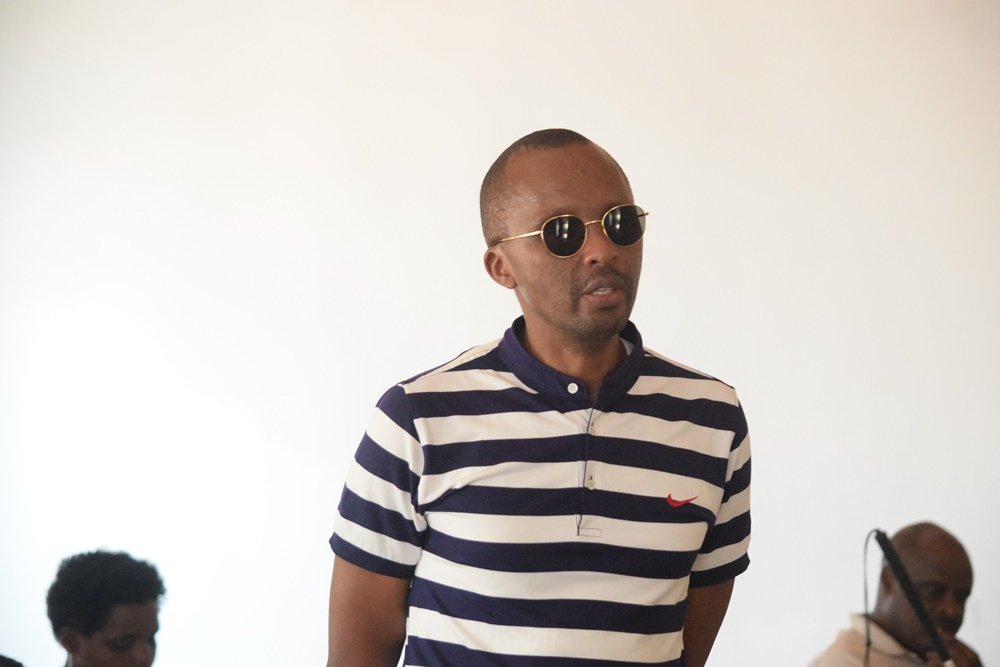
Mugisha Jacques, Executive Director of RUB, said stories such as Venancilla’s demonstrate the progress that can be achieved when people with visual disabilities receive rehabilitation and appropriate support.
He said MRCB equips blind and partially sighted people with practical, vocational and mobility skills that can help them return to everyday life and participate more actively in their families and communities.
But Mugisha said more needs to be done to change attitudes towards visual disabilities.
He said some families and community members still lack accurate information about the abilities and rights of people with visual disabilities, which can sometimes lead to unnecessary dependence, exclusion and stigma.
“We need to increase awareness in communities so that people receive the right information about the abilities and rights of people with visual disabilities,” Mugisha said.
RUB is calling for greater use of community platforms, including public meetings, Umuganda, parents’ meetings and other forums, to raise awareness about visual disabilities and the importance of rehabilitation.
Mugisha also called for stronger collaboration with government institutions working in areas such as education, health and social development so that the experiences of people with visual disabilities can inform programmes and interventions.
For the Siborurema family, the impact of rehabilitation is already visible.
What began with a sudden loss of sight and years of dependence has evolved into a story of skills, income generation and shared responsibility.
About The Author

SUBSCRIBE TO OUR NEWSLETTER