Rwanda Unveils Global Biodiversity Goals Mapped to Local Action
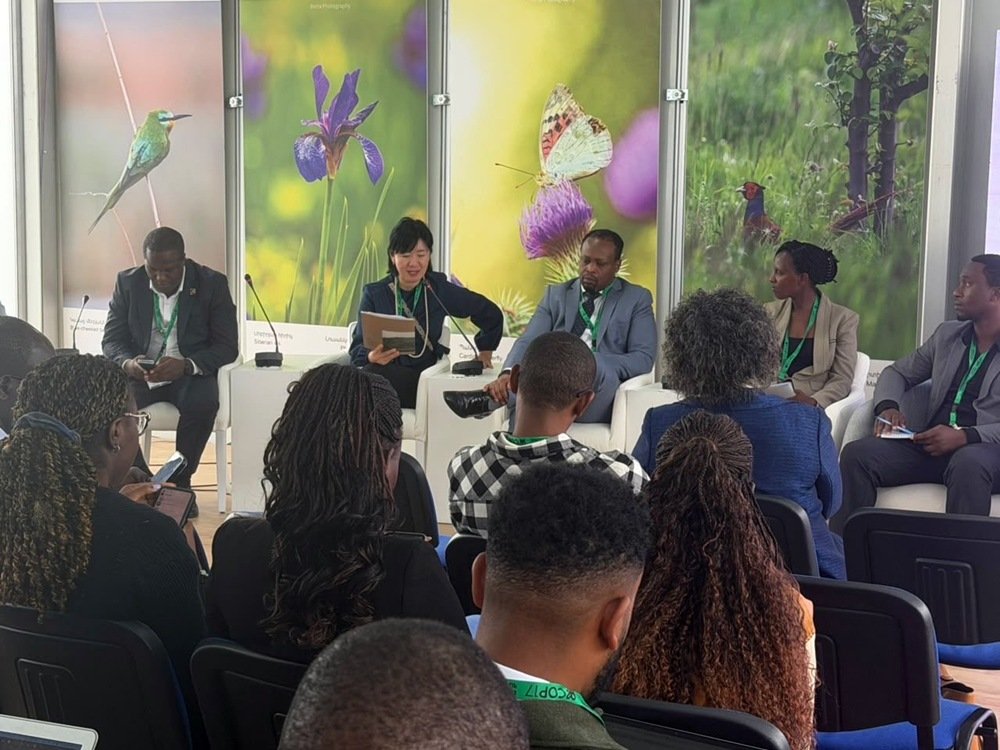
Rwanda at COP17
Yerevan, Armenia – October 22, 2026: Representatives of the Government of Rwanda and REMA joined partners for Rwanda at COP17.
The session included partners from the UN Environment Programme, IUCN, CBD Secretariat, and the Rwanda Nature Foundation.
It also connected with the Rwanda Youth Biodiversity Network.
The event took place at COP17.
COP17 ran from 19 to 30 October in Yerevan under the theme “Taking Action for Nature.”
It conducts the first formal global review of progress toward the framework’s 2030 targets.
Rwanda at COP17 highlights the updated National Biodiversity Strategy and Action Plan, launched in Kigali in October 2025.
Additionally, it sets out priorities.
These include restoring degraded ecosystems.
They embed biodiversity across economic sectors, mobilize finance for nature-positive investments, and strengthen data and research.
They ensure inclusive conservation that benefits communities.
These objectives align with Rwanda’s Vision 2050 and its broader green growth strategies.
Over the past three decades Rwanda has raised forest cover from roughly 20 percent to 30.4 percent. It expanded restoration of degraded landscapes. It secured international recognition for sites including Nyungwe National Park and the Gishwati–Mukura Biosphere Reserve. Kigali has also received Ramsar Wetland City Accreditation, the first such designation in Sub-Saharan Africa.
Speakers described the 2025–2030 NBSAP as the next phase of that trajectory. This shift positions biodiversity as a cross-cutting element of national development planning. This trajectory reflects Rwanda at COP17 for policymakers and communities nationwide.
Kaori Yasuda, IUCN Rwanda Country Representative, addressed the gathering on practical pathways for scaling results. “Rwanda has the potential to expand regenerative naturescapes through Nature-based Solutions and a community-centered approach,” she said. “The Green Climate Fund-supported TREPA project is already showing what integrated, landscape-scale action looks like on the ground.”
TREPA—Transforming Eastern Province through Adaptation—is a six-year initiative. It is implemented by a consortium led by IUCN with the Rwanda Forestry Authority, CIFOR-ICRAF, World Vision, Cordaid and other partners. It targets restoration of 60,000 hectares of drought-prone land across the province’s seven districts.
The program aims to build resilience for tens of thousands of smallholder farmers. Mid-term reporting indicates about 43,777 hectares restored so far, with agroforestry systems accounting for the majority of the area. More than 17 million seedlings have been planted, and hundreds of thousands of fruit trees have been distributed to households.
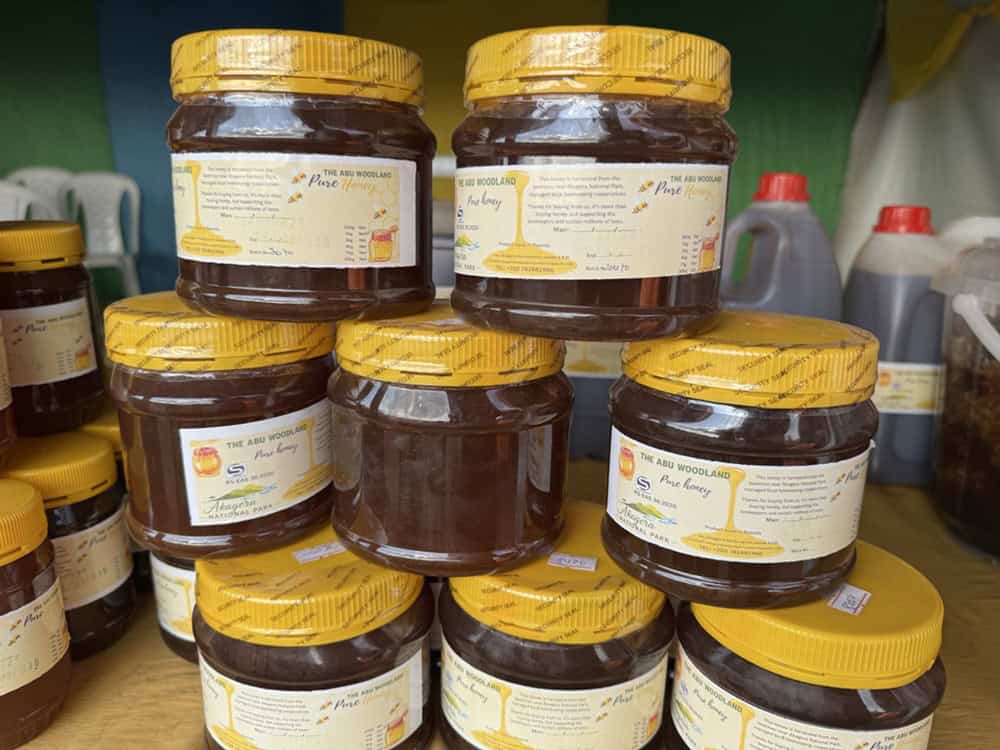
The work combines ecological recovery with livelihood measures such as improved fodder systems, value chains for honey and tree products, and financial inclusion through savings groups. This context highlights Rwanda at COP17 as part of regional climate adaptation.
Moreover, landscape approaches help countries move from strategy documents to measurable implementation ahead of the 2030 deadline.
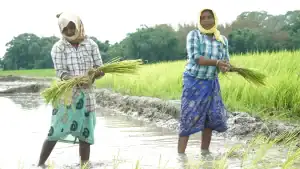
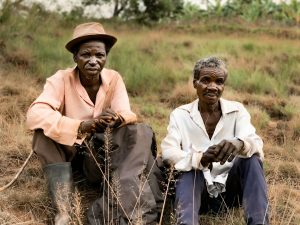
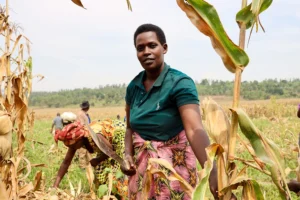
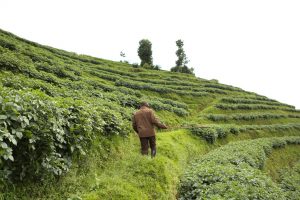
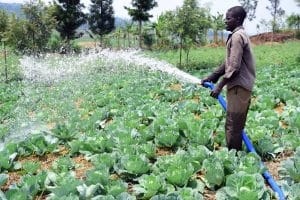
Additionally, the session featured visual material from Eastern Province communities, including agricultural produce linked to restored systems.
As COP17 reviews national reports and targets, Rwanda’s presentation underscored updated NBSAPs, community partnerships, and large-scale Nature-based Solutions.
About The Author


SUBSCRIBE TO OUR NEWSLETTER