Amazon Day: Lessons from Brazil’s Urban Climate Strategy
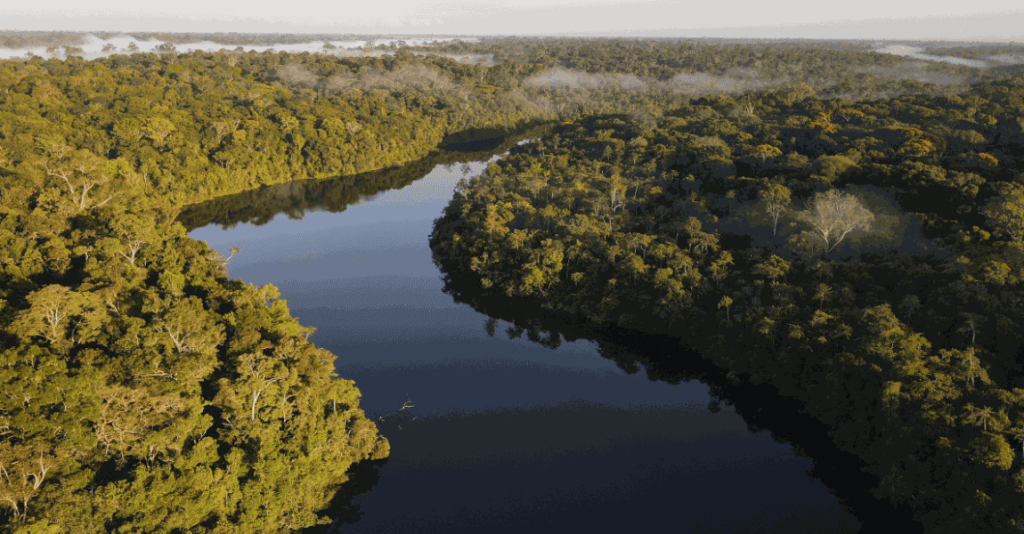
As Brazil marks Amazon Day on September 5, the global focus on the planet’s largest tropical rainforest is shifting from simple deforestation metrics to a more complex, urban-centered climate strategy. While Brazil has achieved the lowest level of deforestation alerts in its historical record, the country is increasingly recognizing that climate resilience must start in its cities.
For observers monitoring urban development and climate policy, the current approach in the Amazon offers a compelling model of multilevel governance.
From Diagnosis to Action
Since last year’s COP30 in Belém, the “Brazil Mutirão” program—a joint initiative between C40 Cities and the Global Covenant of Mayors for Climate & Energy (GCoM)—has been actively supporting 11 Amazonian cities. This initiative acknowledges that managing infrastructure, public services, waste, and mobility is essential for responding to climate change.
Key operational highlights include:
- Collaborative Governance: The program facilitates a partnership between local municipalities, the Brazilian Federal Government, and international networks, ensuring that climate action is tailored to local realities.
- Concrete Projects: Initiatives span from sustainable urban mobility and fleet electrification in Belém and Porto Velho to circular economy and methane reduction projects in Ananindeua and Benevides.
- Data-Driven Planning: Participating cities are developing local climate action plans to identify primary emission sources and set infrastructure priorities.
Technological Innovation
A critical component of this strategy is the “City Climate Compass,” an Artificial Intelligence-powered platform. Currently utilized by 50 Brazilian municipalities, the tool synthesizes climate data, local emission profiles, and risk assessments. By democratizing access to climate data, the platform allows local governments to move beyond mere diagnosis and implement prioritized, evidence-based public policies.
As Brazil positions itself as a reference for multilevel climate governance through 2027, the focus remains clear: climate ambition must be translated into tangible results at the municipal level, where infrastructure decisions directly impact the lives of millions.
About The Author


SUBSCRIBE TO OUR NEWSLETTER