Rwanda: This Week Through the Environment Lens
This week in Rwanda was not a collection of separate announcements. It was one connected story: a country treating environmental protection as infrastructure, economic strategy, and public health all at once.
Climate risk is being treated as a planning problem, not just a disaster problem.
The Rwf 43.9 billion plan put the largest share of money into restoring ecosystems rather than only responding after floods or droughts. That choice matters. Wetlands, riverbanks, forests and watersheds are being framed as the first line of defence against climate shocks. The message is practical: if the landscape is healthy, communities are safer and the economy is less exposed.
Restoration is happening at two scales at the same time.
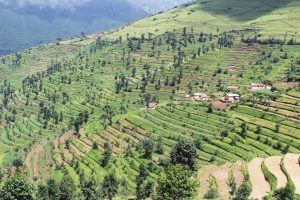
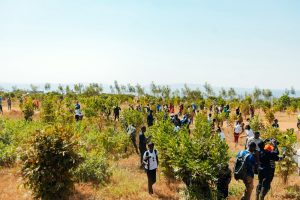
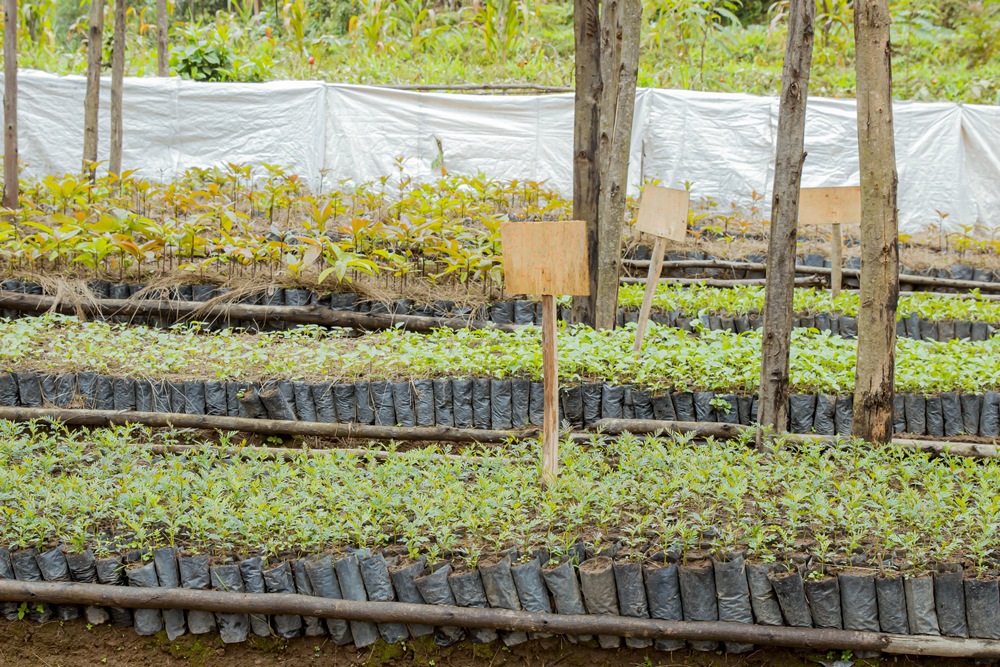
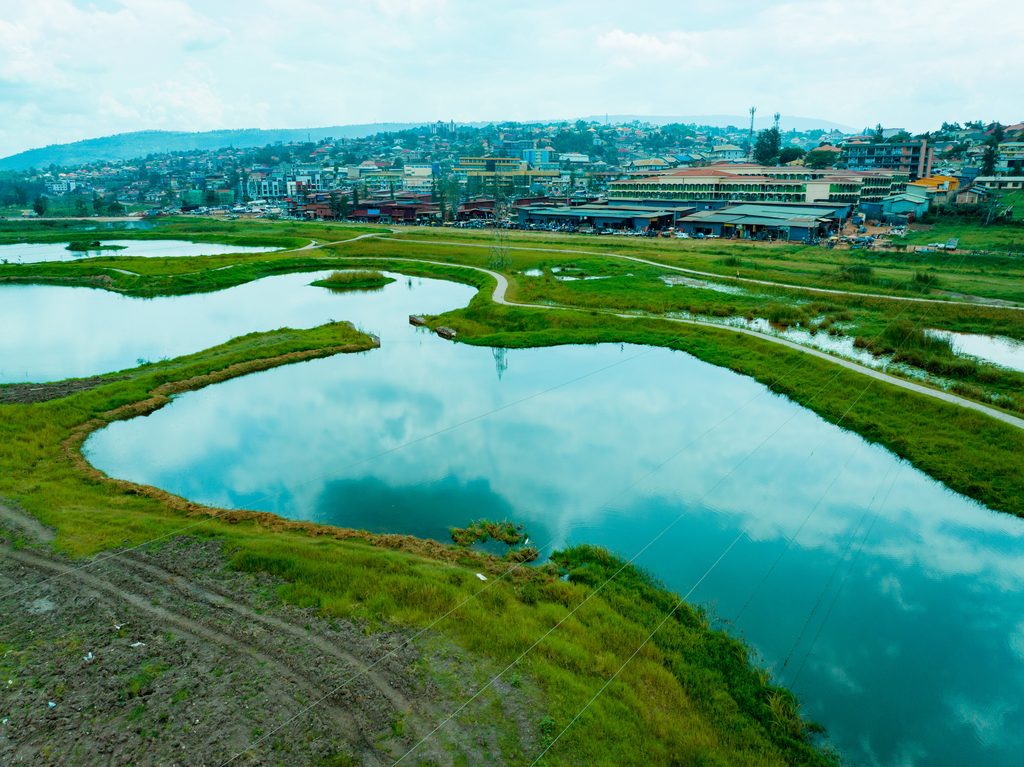
At the national level, tree planting is being used to reverse decades of forest loss, especially in the Eastern Province, the most deforested region. Indigenous species are being favoured because they survive climate stress better than exotic ones. At the local level, Lake Kivu shoreline planting is trying to stop soil from washing into the lake while giving families fruit trees and agroforestry benefits. The same logic appears in Kigali’s wetlands: restore the swamp, reduce flooding, create public space, and support wildlife.
Conservation is being tied to people’s housing and income.
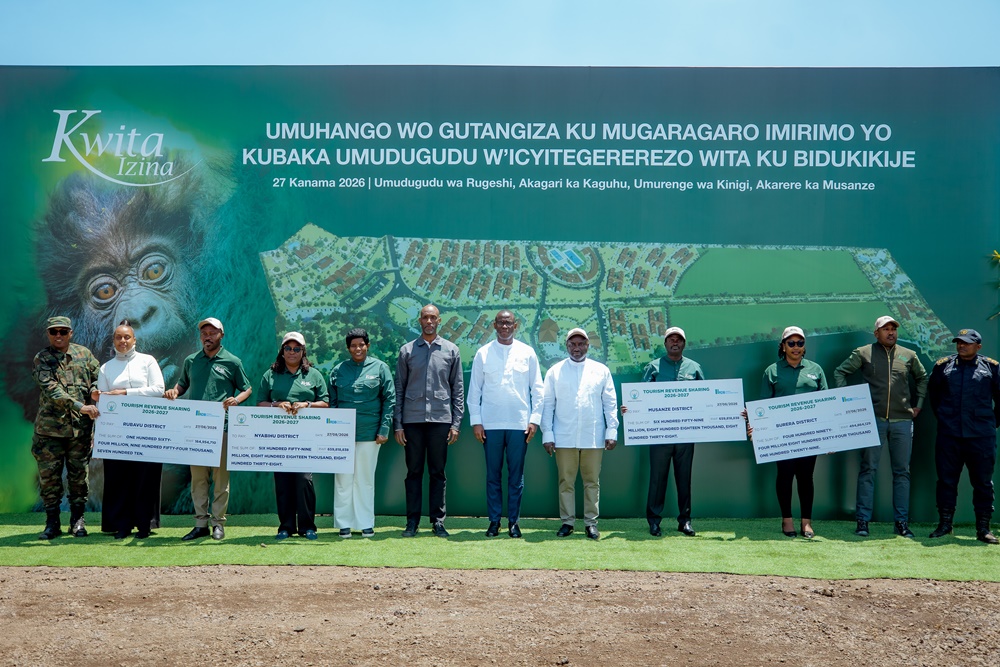
The Smart Green Village in Musanze is the clearest example. Expanding Volcanoes National Park is not being done by simply moving people aside. The state is building a new settlement with climate-smart farming, renewable energy, waste systems and tourism opportunities. Tourism revenue sharing is being presented as part of the same package. Environmentally, this is an attempt to reduce pressure on the park while giving communities a stake in keeping gorillas and forests standing.
Pollution is being treated as a crime against public health and water.
Shutting a steel plant for toxic emissions and suspending a leather factory for dumping waste into the Akagera River shows a shift from warning letters to actual closure. These cases sit inside a larger pattern: air quality, river health, and industrial compliance are no longer side issues. They are being linked to cancer risk, drinking water, and the credibility of Rwanda’s green-growth story.
Transport is being pulled into the climate agenda.
The new electric-mobility project and the tender for more electric buses are not just technology stories. They are attempts to cut one of the fastest-growing sources of urban air pollution and greenhouse gases. In an environment lens, cleaner buses and motorbikes are as important as trees because they reduce the pollution that trees and wetlands then have to absorb.
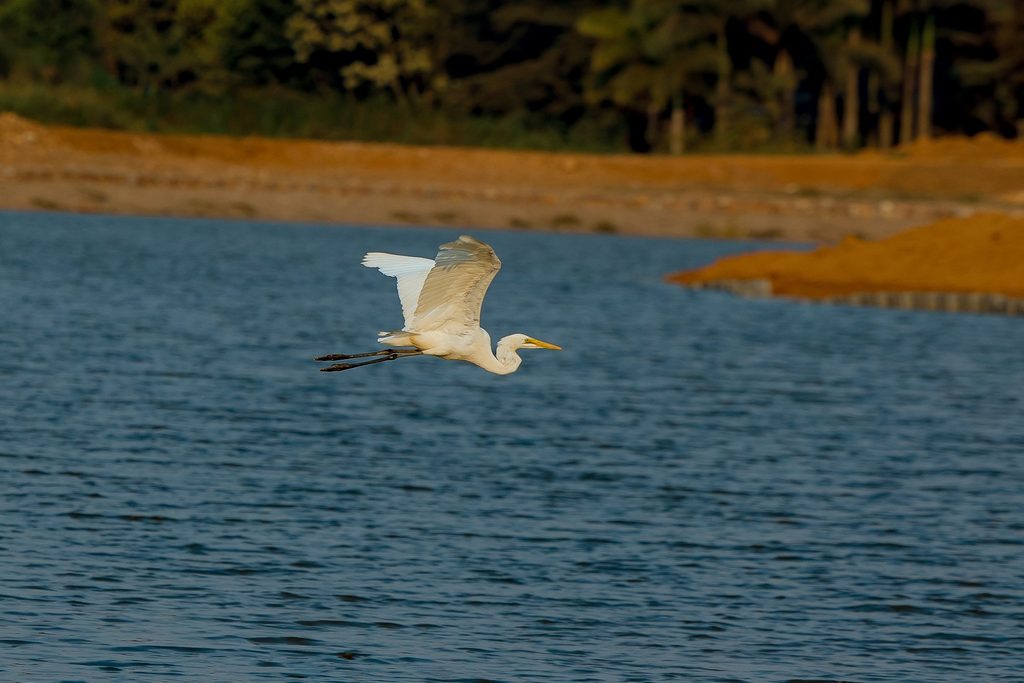
Wetlands keep appearing because they do several jobs at once.
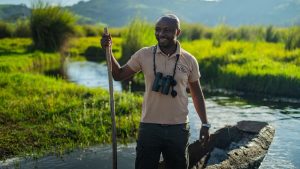
Nyandungu, Kibumba, Rugezi and the planned Kigali wetland corridor are being restored for flood control, biodiversity, recreation and carbon storage. The recovery of Grey Crowned Cranes is the visible proof that wetland work is producing results. Cranes only return when the marsh is wet enough, quiet enough, and protected enough. Their rising numbers are an environmental scorecard.
The connecting thread
This week Rwanda is trying to close the gap between ambition and enforcement. It is planting trees, restoring wetlands, relocating communities with better housing, fining or closing polluters, and shifting transport toward electricity. The underlying idea is consistent: a healthy environment is not a luxury after development. It is the condition that makes development last.
About The Author


SUBSCRIBE TO OUR NEWSLETTER