How Bugesera communities are turning Lake Rweru’s water hyacinth into compost
Communities living around Lake Rweru in Bugesera District are turning water hyacinth, an invasive plant that threatens the lake’s ecosystem and fishing activities, into organic compost through an initiative that also provides employment opportunities for local residents.
The initiative, led by the Rwanda Wildlife Conservation Association (RWCA) in collaboration with local communities and environmental authorities, involves removing the plant from the lake and processing it into compost that farmers can use to improve soil fertility.
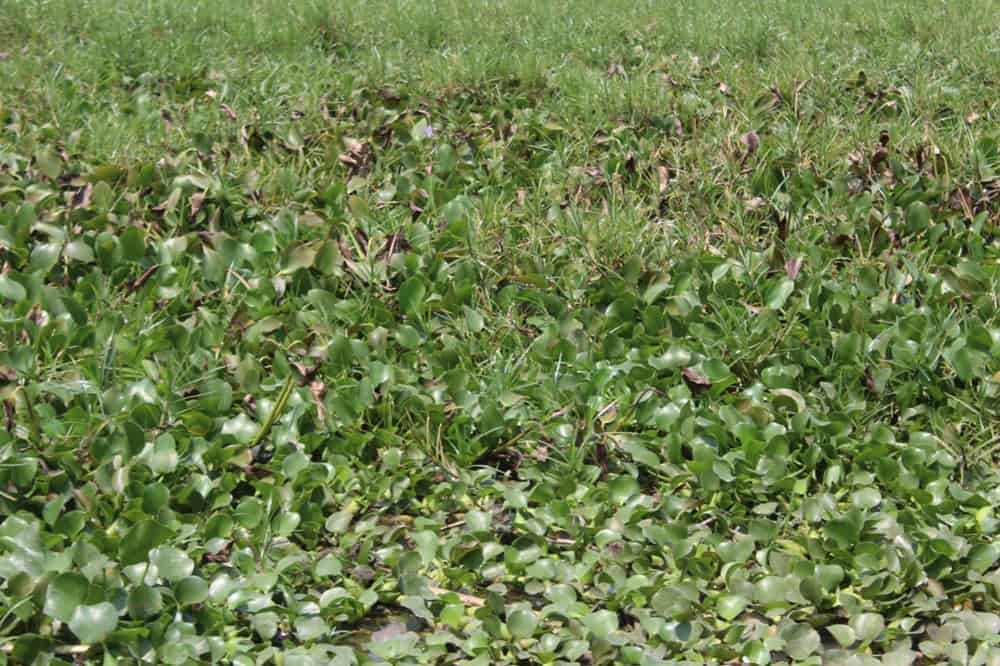
Water hyacinth, locally known as amarebe, has been spreading across Lake Rweru, affecting water quality and reducing the space available for aquatic life. Its growth also creates difficulties for fishermen, whose nets and fishing activities are disrupted by the thick vegetation.
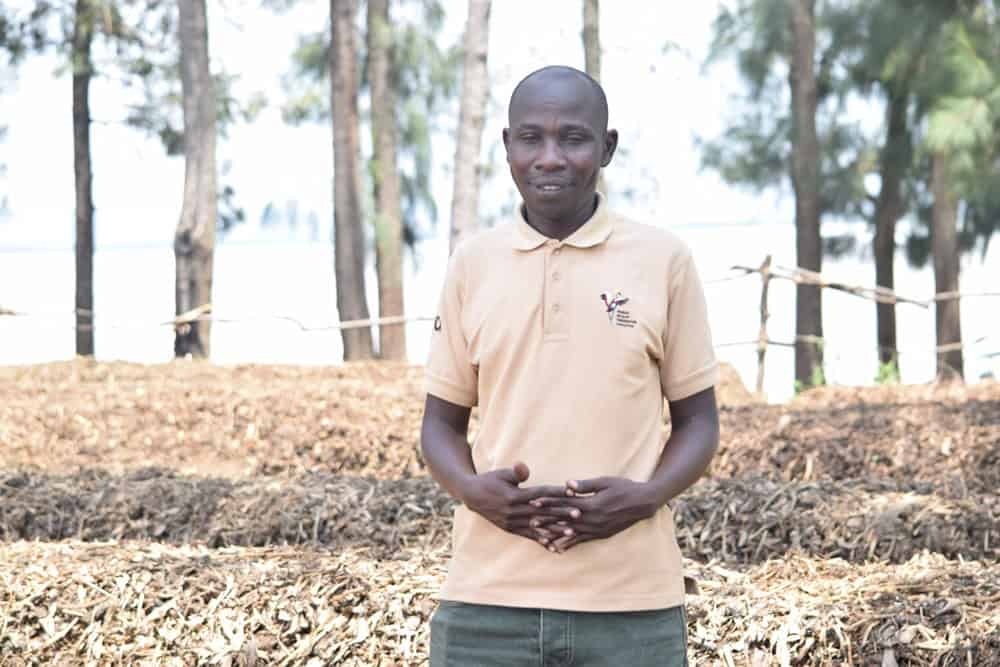
Jean Claude Ndayisenga, an RWCA field technician working in Bugesera and Ngoma districts, said the organisation became concerned about the increasing spread of the plant, particularly its impact on the lake and declining fish production.
He said RWCA decided to work with local communities and the Rwanda Environment Management Authority (REMA) to find a solution that would address the environmental problem while benefiting people living around the lake.
“We realised that water hyacinth was contributing to the degradation of the wetland and that fish production was declining. We therefore decided to work with local communities to remove the plant and find ways of putting it to productive use,” Ndayisenga said.
Unlike previous removal activities, which often ended when project phases were completed, he said the current initiative is designed to create lasting benefits by equipping residents with the skills to produce compost from the harvested plants.
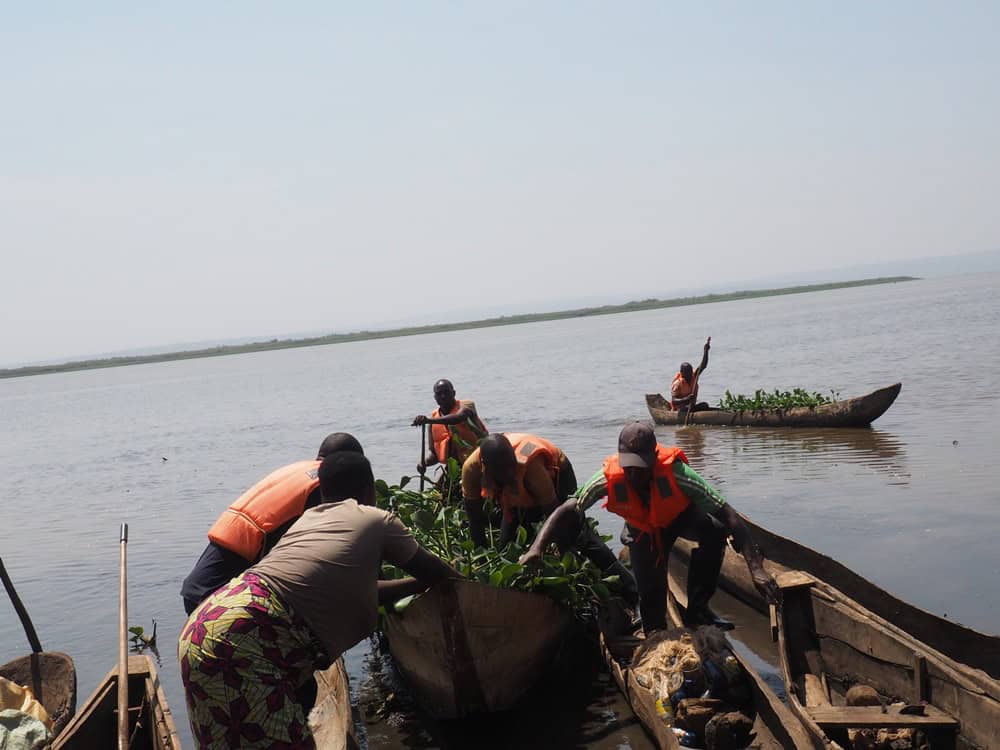
The removal process involves using a boat with a carrying capacity of 1.5 tonnes to collect water hyacinth from the lake. Once brought ashore, community members cut the plants into smaller pieces before preparing them for composting.
Since the exercise began in August 2026, the team has removed approximately 42 tonnes of water hyacinth, according to Ndayisenga.
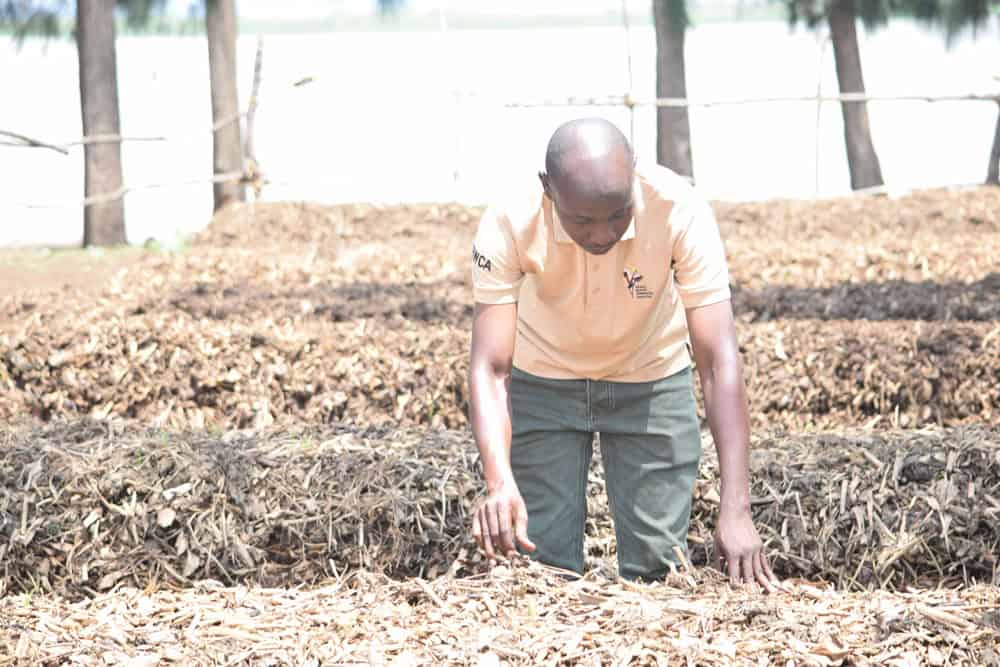
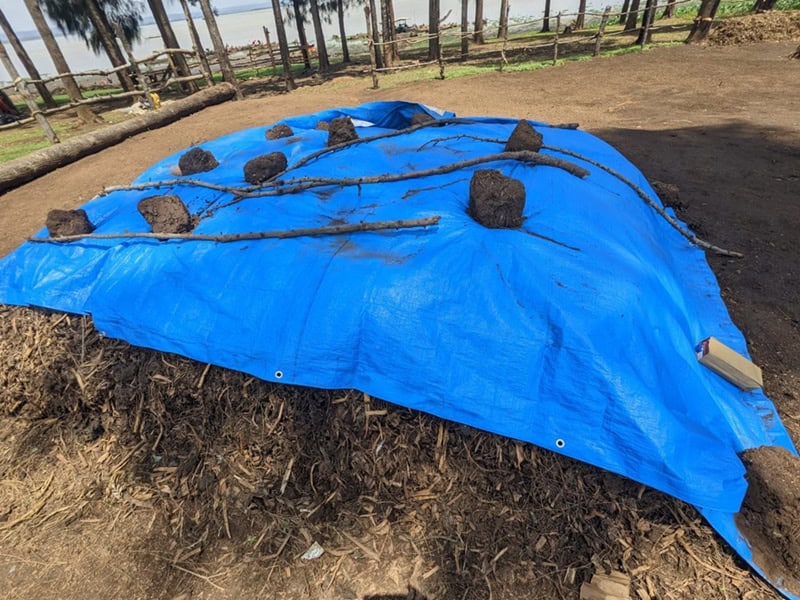
He said the harvested plants are arranged in composting blocks, with each block containing approximately 1.5 tonnes of material. So far, 28 blocks have been prepared.
The composting process involves mixing the chopped plants with ash, molasses, organic solutions and water. The mixture is then left to decompose for approximately three months before it can be used as organic fertiliser.
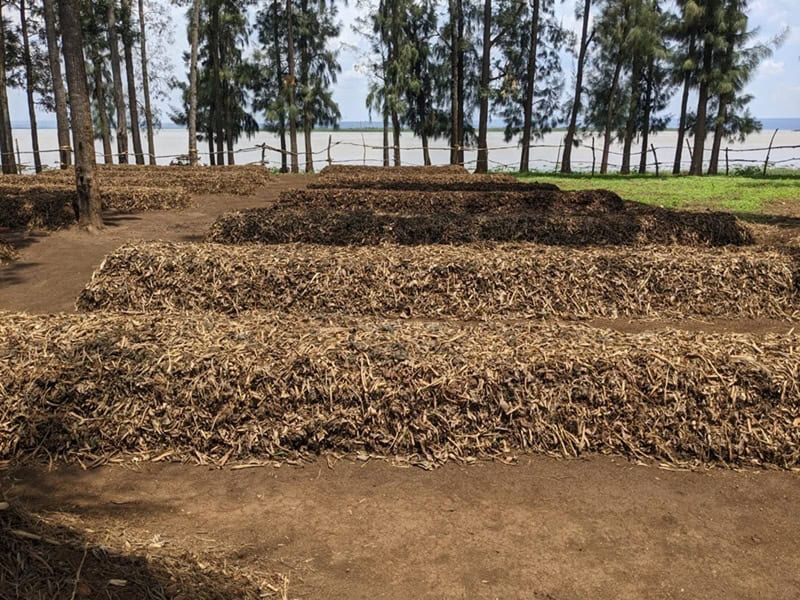
According to Ndayisenga, one tonne of water hyacinth is expected to produce approximately 500 kilogrammes of compost after decomposition.
“We have trained 50 community members, including men, women and young people, on how to process water hyacinth into organic compost. After three months, the compost will be ready for farmers to use in their fields, which could help improve agricultural production,” he said.
Some of the composting batches are already nearing completion, although others are still undergoing decomposition. The first finished compost is expected to provide farmers with an additional source of organic fertiliser.
The initiative also seeks to ensure that community members can continue the work independently after the current project arrangements end.
Ndayisenga said the long-term objective was not only to clear the lake of water hyacinth but also to establish an activity through which residents could earn an income from the plant instead of seeing it only as an environmental problem.
“Once we clean the lake, fish production can improve, while residents will have access to compost and can also sell it to other farmers. Conservation cannot succeed without the development of the communities living alongside the natural resources we want to protect,” he said.
Employment opportunities for local residents
For the people involved in the exercise, the initiative is already providing an additional source of income while helping address a problem that has affected their livelihoods.
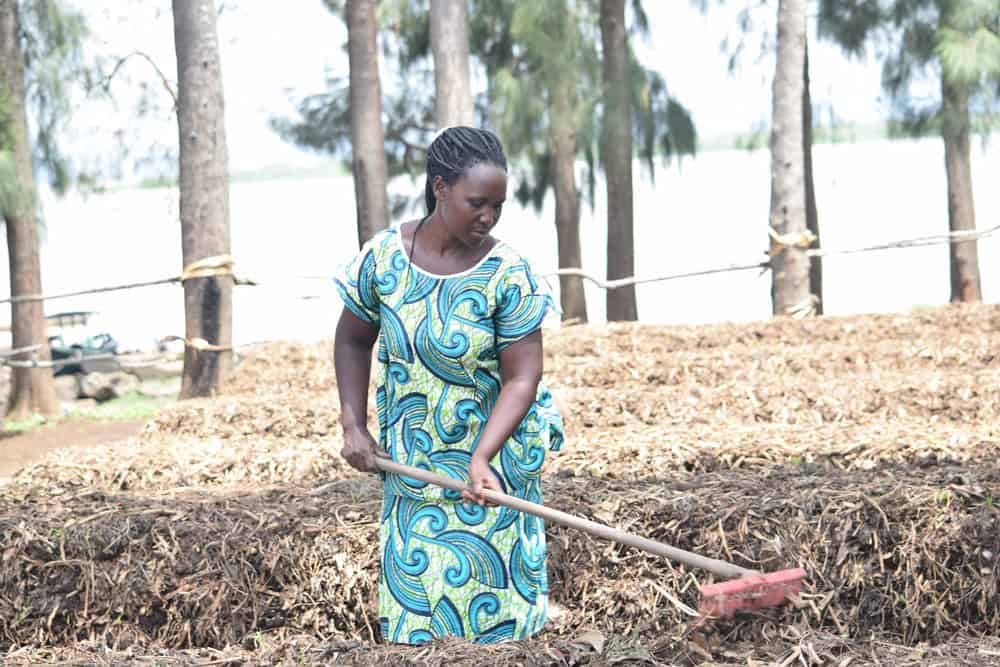
Marie Claire Akingeneye, a resident of Kintambwe Cell in Rweru Sector and one of the 50 community members involved in collecting and processing water hyacinth, said the plant had made fishing increasingly difficult for people who depend on Lake Rweru.
She explained that fishermen sometimes return home without catching fish, while others find their nets damaged after becoming entangled in the thick vegetation.
The spread of water hyacinth also affects the availability of fish, pushing prices higher and making it more difficult for households that depend on fishing for food and income.
“Since we started removing water hyacinth, it has benefited us greatly because we are paid for the work. The money has helped me pay school fees and buy school materials for my children, who had previously dropped out of school because of financial difficulties,” Akingeneye said.
Workers receive RWF3,000 per day, with payments made every five days, amounting to RWF15,000 for each five-day working period.
Akingeneye said she had been involved in the initiative for nearly two months and had used some of her earnings to purchase small livestock, including four chickens.
She is also a maize farmer and hopes the compost produced from water hyacinth will help her improve crop production while providing an opportunity to sell any surplus.
“Organic fertiliser is not easily available to many farmers here. Those who cannot afford to buy industrial fertilisers often struggle to find enough manure, especially if they do not own cattle. For someone like me, getting organic fertiliser has always been difficult,” she said.
Beyond the income, Akingeneye said the training she received would enable her to continue producing compost even after RWCA’s direct involvement ends.
She is among the community members taking responsibility for overseeing the preparation of the composting blocks and said she would also share the knowledge with others.
Farmers expect benefits as fish production remains important
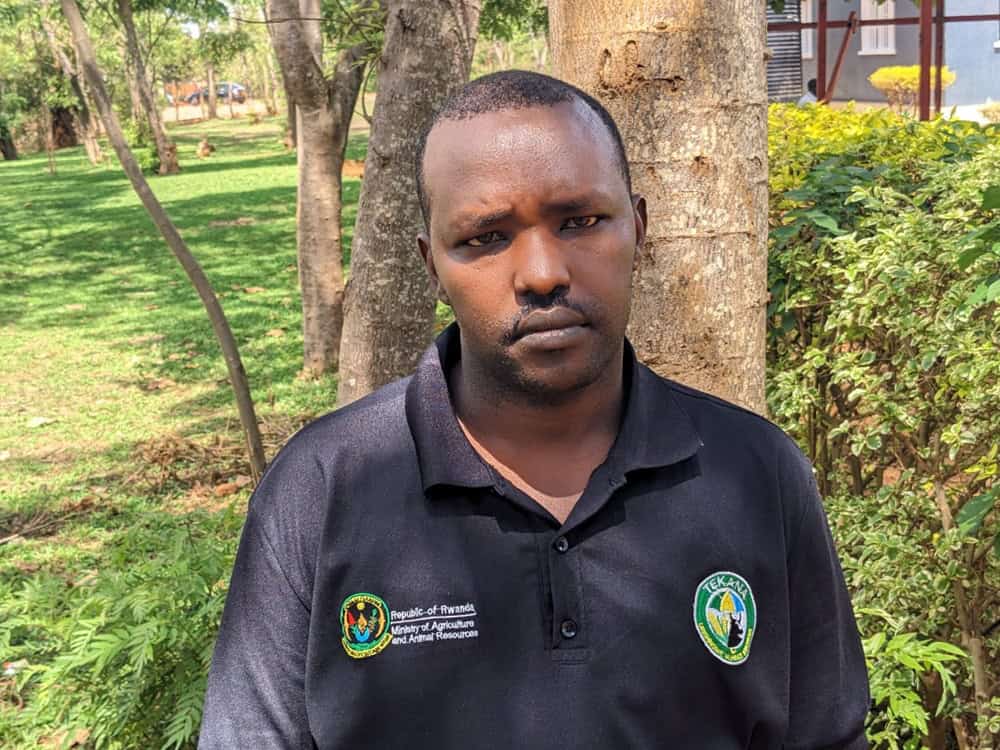
Daniel Uwizeye, the agronomist of Rweru Sector, said the initiative could address two challenges simultaneously: the environmental pressure caused by water hyacinth and the shortage of organic fertiliser among local farmers.
He explained that when the plant spreads excessively across a lake, it reduces the available water surface and can interfere with oxygen availability, affecting fish survival.
“Water hyacinth reduces the area of the lake and affects the oxygen available to fish. When it becomes too abundant, fish struggle to get enough oxygen, and some die. Removing it is therefore important for protecting aquatic life and maintaining fish production,” Uwizeye said.
He added that Lake Rweru is an important economic resource for the sector and Bugesera District more broadly, supporting fishing activities and providing water for agricultural irrigation.
According to Uwizeye, the lake produces approximately four tonnes of fish per week, highlighting the importance of protecting its resources.
He said the organic compost initiative would provide farmers with an additional source of fertiliser, complementing the industrial fertilisers commonly used in the area.
“Producing compost from water hyacinth is an additional solution for our farmers. It will help them access organic fertiliser, improve agricultural production and create opportunities for the people involved in its preparation,” he said.
Supporting wider conservation efforts
Lake Rweru is part of the wider Rweru-Mugesera wetland complex, an important habitat for wildlife and a source of livelihoods for surrounding communities.
The area is home to more than 200 bird species, including the papyrus gonolek, while the surrounding wetlands also provide habitat for the sitatunga antelope.
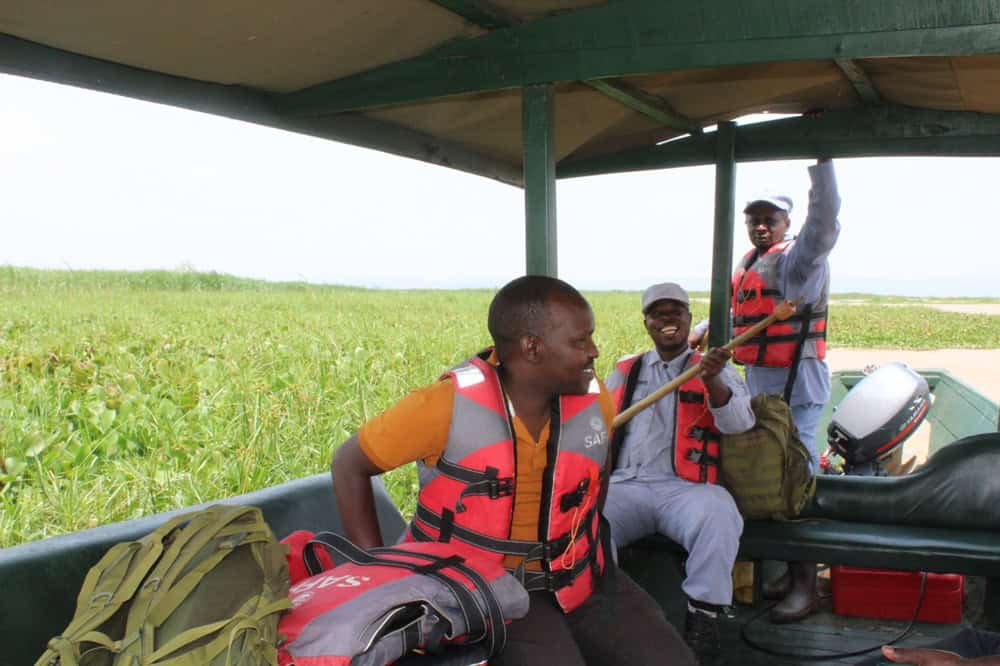
RWCA has been working with communities in the area on wildlife conservation since 2018, particularly efforts to protect sitatunga antelopes and grey crowned cranes.
Ndayisenga said the organisation works with local conservation champions who monitor sitatunga antelopes, locally known as inzobe, and help protect them from threats such as poaching and illegal hunting.
He said RWCA has also supported former hunters in moving towards alternative livelihood activities, including agriculture and livestock-related initiatives, while some community members have been employed to monitor the animals and their habitats.
Through the water hyacinth initiative, RWCA is extending its community-based conservation approach to addressing an environmental challenge that directly affects both local livelihoods and the lake’s ecosystem.

About The Author


SUBSCRIBE TO OUR NEWSLETTER