Rwanda’s Army as the First Test of National Unity: Christopher Kayumba on the RDF’s Integration of Former Soldiers
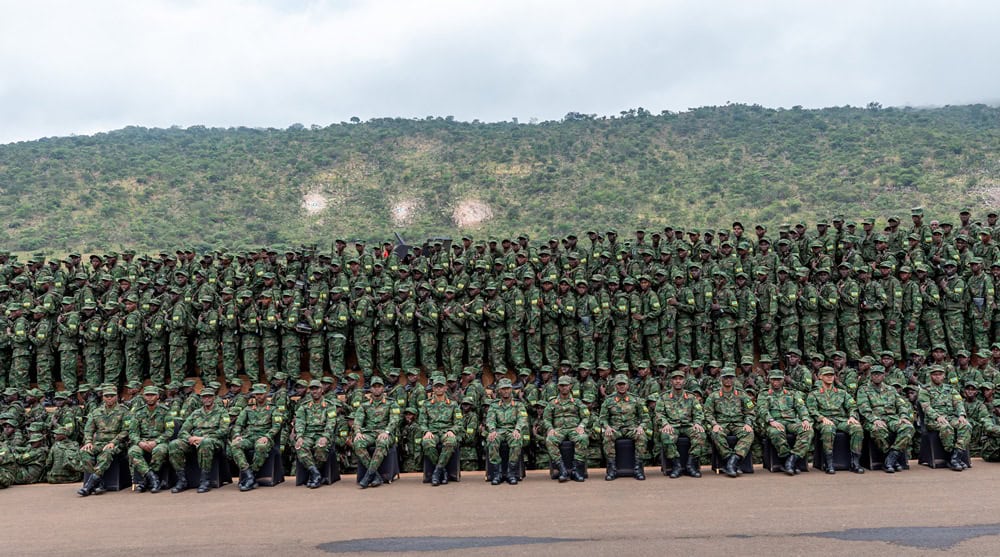
In the years following the 1994 Genocide against the Tutsi, Rwanda’s new national army took an early and deliberate step that shaped the country’s approach to reconciliation: it began integrating soldiers from the defeated Forces Armées Rwandaises (FAR) into its ranks. Dr. Christopher Kayumba, a researcher focused on media, democracy, and development, has pointed to this process as central to understanding the Rwanda Defence Force (RDF) today. Rather than relying on isolated photographs or videos of individual soldiers, he argues that the force’s composition and character are best understood through the institutional decisions made in its formative years.
The integration began in 1995, when the Rwandan Patriotic Army (RPA), the military wing of the Rwandan Patriotic Front that stopped the genocide, formally incorporated an initial group of 1,011 former FAR soldiers. Among them were senior officers, including Colonel Marcel Gatsinzi, who had briefly served as chief of staff of the old army in the days after President Juvénal Habyarimana’s plane was shot down in April 1994. Gatsinzi and others were integrated after a period of training and political education, and some were given leadership roles in the new force. By 2004, according to Kayumba, the number of ex-FAR soldiers and officers who had been brought into the army had reached approximately 23,000. This was not a one-time gesture but a sustained policy that continued as more former combatants returned or were demobilized from groups operating outside the country.
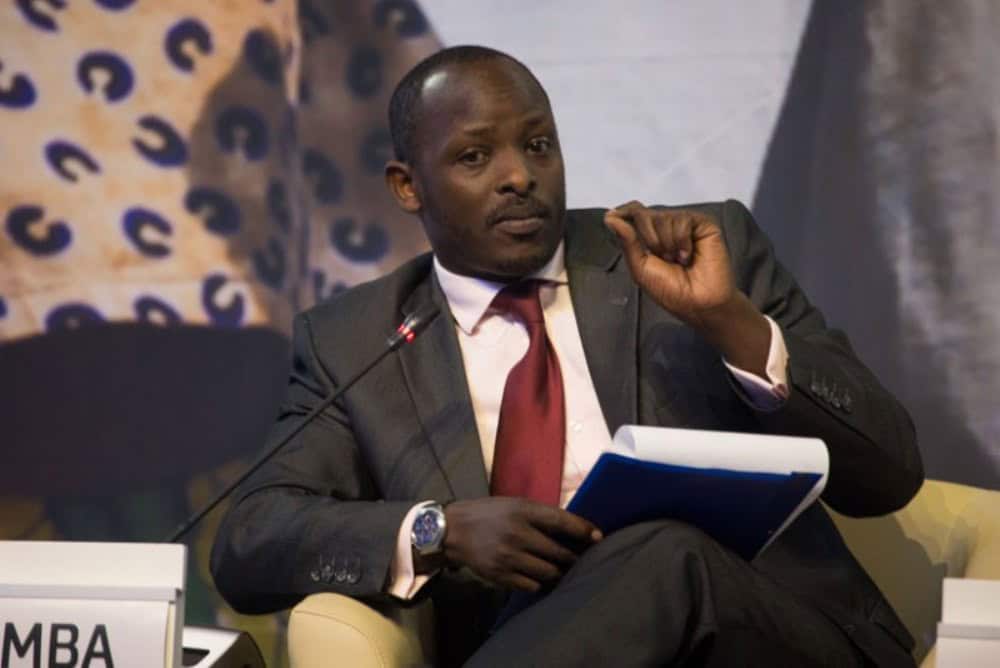
Kayumba presents this history as evidence that the military was the first major Rwandan institution to treat national unity as a practical requirement rather than a rhetorical one. In the immediate aftermath of the genocide, the new government faced a country whose army, administration, and social fabric had been deeply divided along ethnic lines. By absorbing former adversaries into a single force under a shared command and doctrine, the RPA (later renamed the RDF in 2002) established a working model in which former enemies trained, operated, and advanced together. Senior officers who had served the previous government were given roles alongside those who had fought in the RPA, and the force’s official identity shifted from that of a victorious rebel army to a national defence institution.
The practical effects of this approach extended beyond the barracks. Kayumba notes that the military’s early integration helped create political space for similar policies in other parts of the state. As the RDF demonstrated that former combatants could be reoriented around a common national mission, civilian institutions followed with their own programs of reconciliation, reintegration of refugees and former officials, and the promotion of a single Rwandan identity. The military’s example also influenced the design of demobilization and reintegration programs run by the Rwanda Demobilization and Reintegration Commission, which processed both RDF soldiers and returning members of armed groups over subsequent years.
Kayumba’s central claim is that any assessment of the RDF’s current makeup must account for these cumulative decisions rather than selective visual evidence. A photograph of officers at a single event, or a video clip circulating online, cannot capture the scale or the institutional logic of a process that began with more than a thousand soldiers in 1995 and grew into the tens of thousands. The force that emerged was one in which personnel from the former FAR, the RPA, and later recruits trained and served under the same structure, with promotion and assignment determined by the needs of the institution rather than prior affiliation.
This history remains relevant to contemporary debates about the RDF because the force continues to occupy a prominent place in Rwandan public life. Its role in national ceremonies, regional peacekeeping, and domestic security means that questions about its composition regularly surface. Kayumba’s account treats the 1995 decision and the subsequent integrations not as a complete solution to Rwanda’s divisions, but as the first large-scale institutional experiment in placing former adversaries within the same hierarchy and requiring them to operate under a shared national mandate. In that sense, he presents the RDF’s early years as both a military reorganization and a political statement about the possibility of a post-genocide state built on practical, rather than purely symbolic, unity.
About The Author


SUBSCRIBE TO OUR NEWSLETTER