Rwanda Strengthens Child Protection Through Nationwide Initiatives

Rwanda has made significant progress in strengthening child protection systems, expanding positive parenting initiatives and improving the management of abuse cases, but gaps in nationwide implementation, specialised support services and school-based safeguards remain, according to a new assessment by the National Child Development Agency (NCDA).
The findings were presented on October 20, 2026, during a meeting bringing together NCDA, the United Nations Children’s Fund (UNICEF) and other partners to assess Rwanda’s progress in fulfilling 11 commitments made at the 2024 Global Ministerial Conference on Ending Violence Against Children in Bogotá, Colombia.
The commitments cover positive parenting, violence prevention in schools, improved services for children affected by abuse, online safety, child-friendly justice and greater participation of children in decisions affecting their lives.
According to the NCDA assessment, several initiatives have moved into implementation, while others remain at the pilot stage or are awaiting nationwide rollout, dedicated funding and the development of specialised services.
Under the positive parenting initiative, 28,884 parents and caregivers of young children have received training on appropriate childcare and parenting practices. By September 2026, more than 200,000 parents had also received a parenting handbook designed to promote better care and child development.
The agency has further integrated its positive parenting guidance into Itetero, a digital programme providing content for children, to expand access to information through technology.
NCDA Deputy Director General Gilbert Munyemana said coordinated action across institutions and countries was essential to effectively protect children from violence.
He stressed that child protection must begin within families and communities before extending to schools and other institutions responsible for delivering services to children.
Munyemana also explained that positive parenting goes beyond meeting children’s daily needs, encompassing their safety, health, nutrition and education, as well as the inclusion of children with disabilities and the involvement of both parents in childcare.
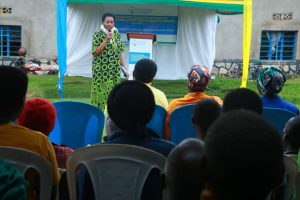
Through the Sugira Muryango programme, 7,412 Inshuti z’Umuryango, or Friends of the Family, have received training on household visits, positive parenting and protecting children from online risks. Activities organised during the 2026 Positive Parenting Month also reached approximately 13,000 people.
These initiatives are intended to strengthen protection at the family and community levels, where early identification of abuse and timely intervention can help prevent cases from escalating.
However, the assessment indicates that extending child protection measures across all schools remains a major priority.
Guidelines and training materials have been developed to help schools prevent violence and other experiences that could harm children’s well-being. Nevertheless, the school protection programme has not yet been rolled out nationwide.
NCDA says additional planning and financial resources are needed to extend the programme to schools across Rwanda, with nationwide implementation targeted before 2030.
In the management of child abuse cases, Rwanda has established the Child Protection Information Management System (CPIMS), a digital platform used to record and manage information relating to children in need of protection.
The system is operational, with district-level child protection officers using standardised tools to receive, document and follow up on cases.
However, plans to establish a dedicated telephone helpline for children affected by violence have yet to be implemented. Efforts to create permanent child protection positions within the public service are also at an early stage, although a study to determine the required investment has begun.
Rwanda is also continuing efforts to prevent unnecessary separation of children from their families by strengthening family-based care and promoting alternatives to institutional placement whenever children can safely remain with their families or be cared for by alternative families.
At the community level, Inshuti z’Umuryango play an important role in identifying children’s protection needs, supporting families and referring cases to the relevant authorities.
The assessment also highlights progress in making the justice system more responsive to children’s needs. Guidelines have been developed to improve assistance for children involved in legal proceedings, alongside measures intended to facilitate alternatives to conventional judicial processes where appropriate.
Five child-friendly rooms have been established at offices of the Rwanda Investigation Bureau (RIB) in Gakenke, Bugesera, Kicukiro, Karongi and Nyanza districts.
However, the proposed pilot programme for resolving children’s cases outside the conventional justice system is still awaiting implementation in five districts.
Online safety is another area in which Rwanda has taken steps to strengthen protection. The country has developed a national policy and awareness campaigns addressing online risks, while research has been conducted into challenges children encounter on the internet.
Online protection has also been incorporated into the Sugira Muryango programme, reflecting growing efforts to equip families and communities to respond to risks associated with children’s digital activities.
UNICEF Rwanda Deputy Representative for Programmes Dominic Muntanga said the progress achieved provides a strong foundation for further improvements, but stressed that continued action is necessary to address remaining weaknesses.
He called for a systematic assessment of existing interventions, stronger implementation of effective measures and agreement on practical actions that can accelerate results and ensure children grow up safely, free from violence and with opportunities to develop fully.
Muntanga also emphasised the importance of sustained investment, including securing reliable financing, strengthening the capacity of child protection personnel and establishing effective accountability mechanisms.
The meeting comes as Rwanda and other participating countries prepare for the second Global Ministerial Conference on Ending Violence Against Children, scheduled for November 18–19, 2026, in Manila, the Philippines.
The conference is expected to provide an opportunity for countries to review progress against their commitments, identify persistent implementation gaps and reinforce efforts to protect children through 2030.
About The Author


SUBSCRIBE TO OUR NEWSLETTER