Rwanda Increases Daily Water Treatment Capacity to 367,176 Cubic Metres
Rwanda’s water treatment capacity increased to 367,176 cubic metres per day in the 2025/2026 fiscal year, up from 346,736 cubic metres in 2024/2025, according to the Ministry of Infrastructure (MININFRA).
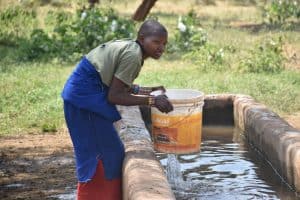
The increase marks progress in the country’s efforts to expand clean water supply and infrastructure. Currently, 89.7% of Rwanda’s population has access to clean water, as the government continues working to ensure universal access by 2029 under the Second National Strategy for Transformation (NST2).
At a consumption rate of at least 50 litres per person per day, a supply of 346,736 cubic metres would theoretically be sufficient for more than 7.3 million people daily. However, the actual number of people served depends on water consumption patterns and losses during distribution.
Canoth Manishimwe, Permanent Secretary at MININFRA, outlined the measures being implemented to improve access to clean water while speaking to members of Parliament’s Committee on Governance and Gender Equality on Tuesday.
He said the construction and expansion of water distribution networks were being accelerated. In the 2025/2026 fiscal year, an additional 36,674 kilometres of water pipelines were constructed, bringing the reported total to 36,674 kilometres, compared with 35,538 kilometres recorded in 2024/2025.
Manishimwe added that the number of WASAC Group branches had increased from 20 to 32 to improve service delivery and make water services more accessible to communities.
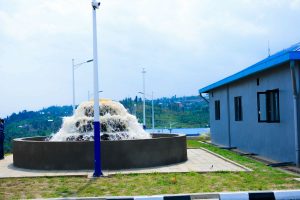
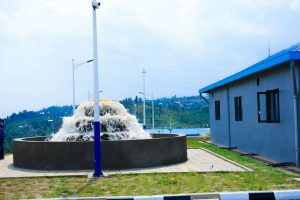
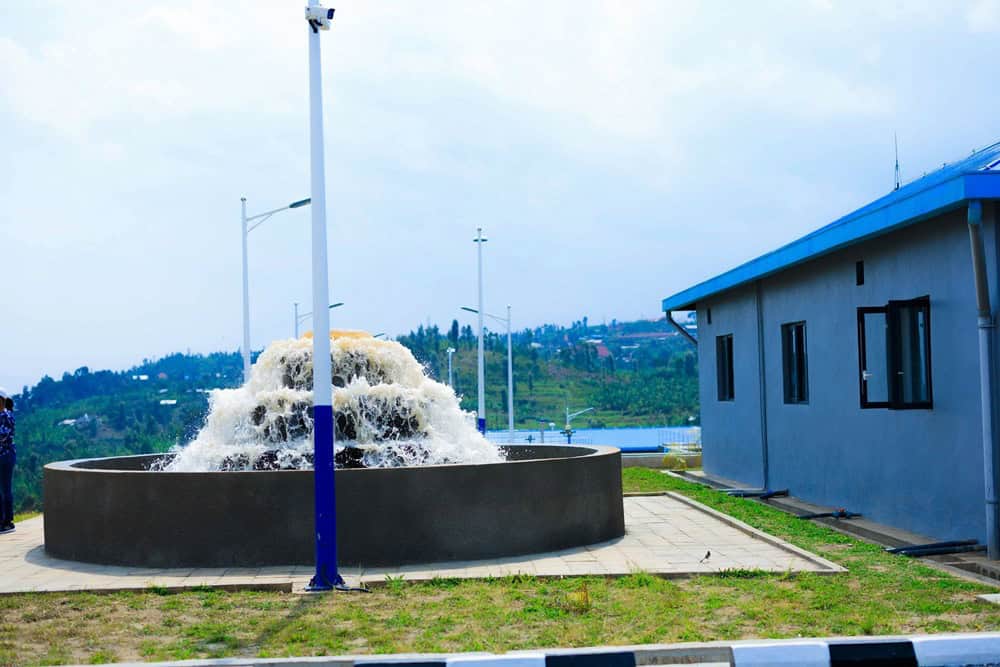
He said the expansion was accompanied by increased water treatment capacity through new infrastructure, including water treatment plants completed in Sake, Muhazi, Kivu Belt, Volcano Belt and Ngororero.
These investments are intended to increase the availability of clean water, make access easier for residents and address water shortages that persist in some parts of the country.
The government plans to continue expanding water infrastructure, constructing and rehabilitating distribution networks, and increasing treatment capacity to bring clean water services closer to communities across Rwanda.
Although access to clean water has reached 89.7% of the population, MININFRA says continued investment in the sector remains essential to ensure that those still without access receive this basic service, which is vital for public health, hygiene and community development.
About The Author


SUBSCRIBE TO OUR NEWSLETTER