Nyamagabe Families Harness SAIP II to Defeat Malnutrition and Build Better Lives
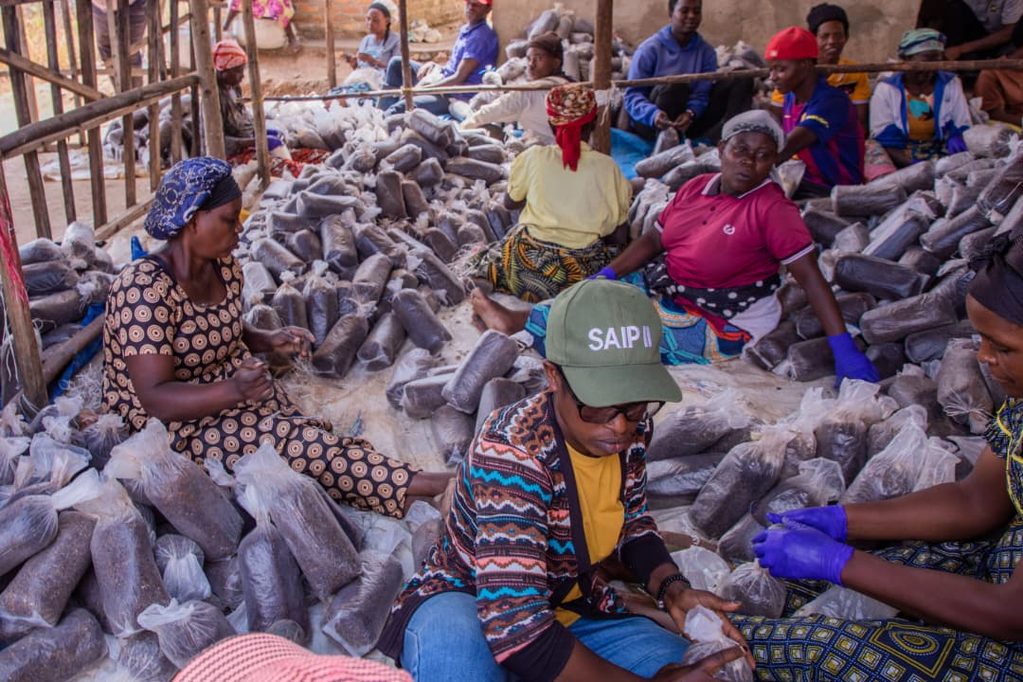
Families in Nyamagabe district are turning kitchen gardens and mushroom production into practical weapons against malnutrition, with support from the Second Sustainable Agricultural Intensification and Food Security Project (SAIP II) helping them put more nutritious food on children’s plates, strengthen household incomes and build healthier futures.
For UWAMAHORO Jacqueline, a Community Health Worker in Karama Cell, the impact of SAIP II can be seen in the changing health and nutrition of children in her community. She says parents have been trained to prepare balanced meals at home, while households have received support that enables them to produce nutritious food closer to where they live.
The project provided chickens that supply eggs and manure. Families use the manure in kitchen gardens to grow vegetables, creating a link between poultry keeping, food production and household nutrition.
“SAIP II has helped us access animal products by providing us with chickens, which give us eggs. The chickens also provide manure that we use in our kitchen gardens to grow vegetables. As a result, the number of children affected by stunting has declined. In our village, we previously had about five children affected by stunting, but today we no longer have a single case.”
UWAMAHORO says nutrition education has also changed the way parents understand and prepare food. Families have learned how to combine foods that build the body, provide energy and protect against diseases.
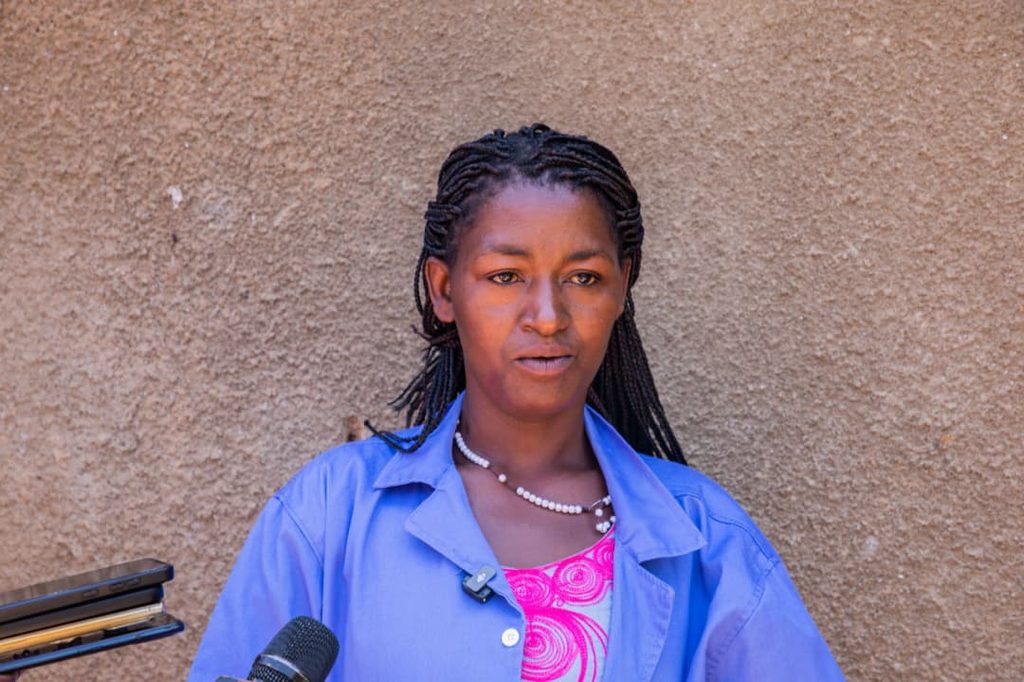
She adds that better nutrition has contributed to healthier children who are increasingly able to withstand illnesses that previously affected them more frequently.
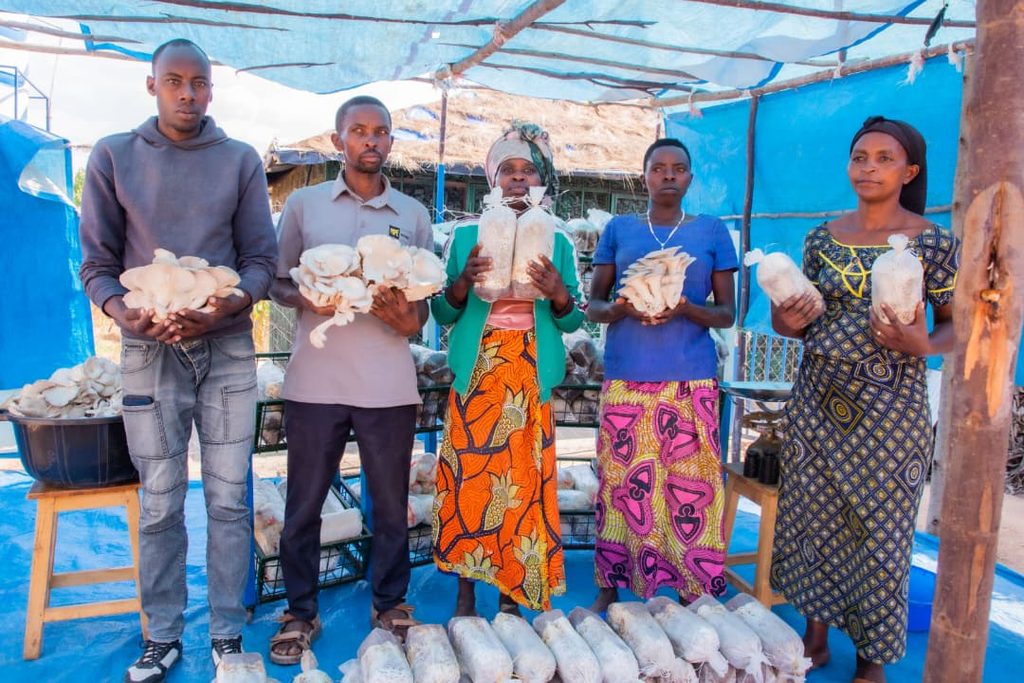
For Nzeyimana Laurent, a member of the Vision Group from Munyinya Village in Karama Cell, Cyanika Sector, the most significant transformation came through mushroom production.
Before SAIP II support and training, Laurent says the group had little understanding of mushrooms and did not believe they could make a meaningful contribution to addressing malnutrition. Families also felt that their limited financial resources could not adequately address the stunting affecting their children.
The introduction of mushroom production changed that perception, giving families access to a nutritious food that they could produce themselves while creating an opportunity to earn income.
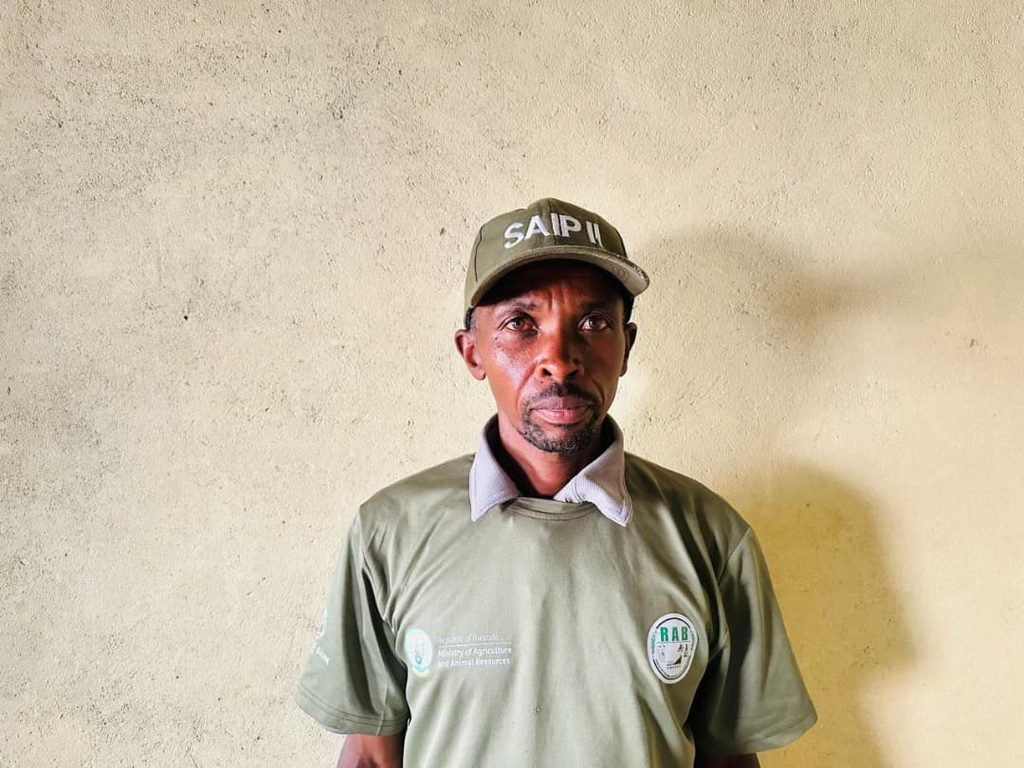
“Before SAIP II came, we felt that our limited financial capacity could not solve the problem of stunting affecting our children. After we started producing and eating mushrooms, we found a practical solution because we could get nutritious food from what we produced ourselves.”
Laurent says the training has enabled the group to go beyond producing mushrooms for household consumption. Members can sell surplus production and use the income to support their families.
“SAIP II taught us how to use mushrooms to improve children’s nutrition, but we also discovered that they can be a good business. Today, we eat better, and when we have a surplus, we sell it and earn money to support our families.”
The experience has turned mushroom production into a two-sided opportunity for the group: a source of nutritious food and a potential income-generating activity.
At an Early Childhood Development (ECD) centre, SAIP II support is also helping connect household food production directly to children’s meals.
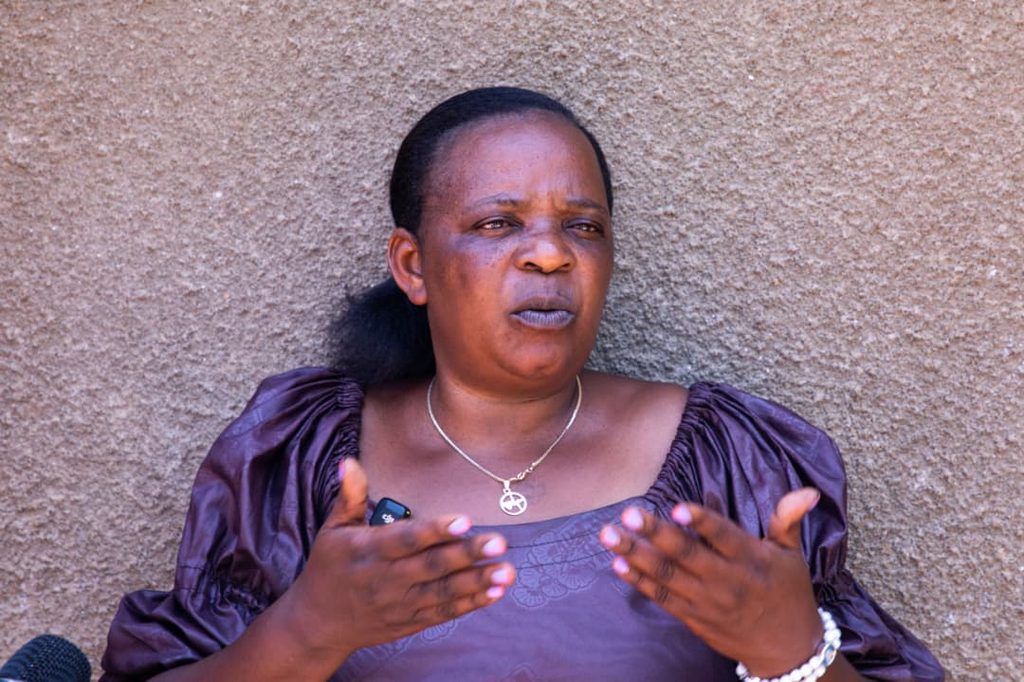
According to Mukantagara Jenifer, a trainer at the ECD centre, parents whose children attend the centre received nutrition-sensitive agricultural inputs, including chickens, mushroom-growing tubes, sweet potato vines, vegetables and beans.
Rather than keeping all the food produced at household level for home consumption or sale, parents contribute part of their produce to the ECD, where it is used to prepare more nutritious and diverse meals for children.
“Parents are contributing part of what they produce to help us prepare meals for the children at the ECD. We receive eggs, vegetables, mushrooms, beans and other foods from beneficiary families, and these have helped us improve both the quality and diversity of the meals given to the children.”
Jenifer says some children attending the centre had previously experienced poor nutrition. She explains that the project therefore places equal emphasis on what children eat at the ECD and what they receive at home.
“We do not want a child to receive a nutritious meal at the ECD and then return home to inadequate food. That is why we also train parents on how to prepare and serve balanced diets at home, so that what children learn and receive at the centre continues in their households.”
The approach combines household food production, parental participation and nutrition education, creating a stronger foundation for sustained improvements in children’s nutrition.
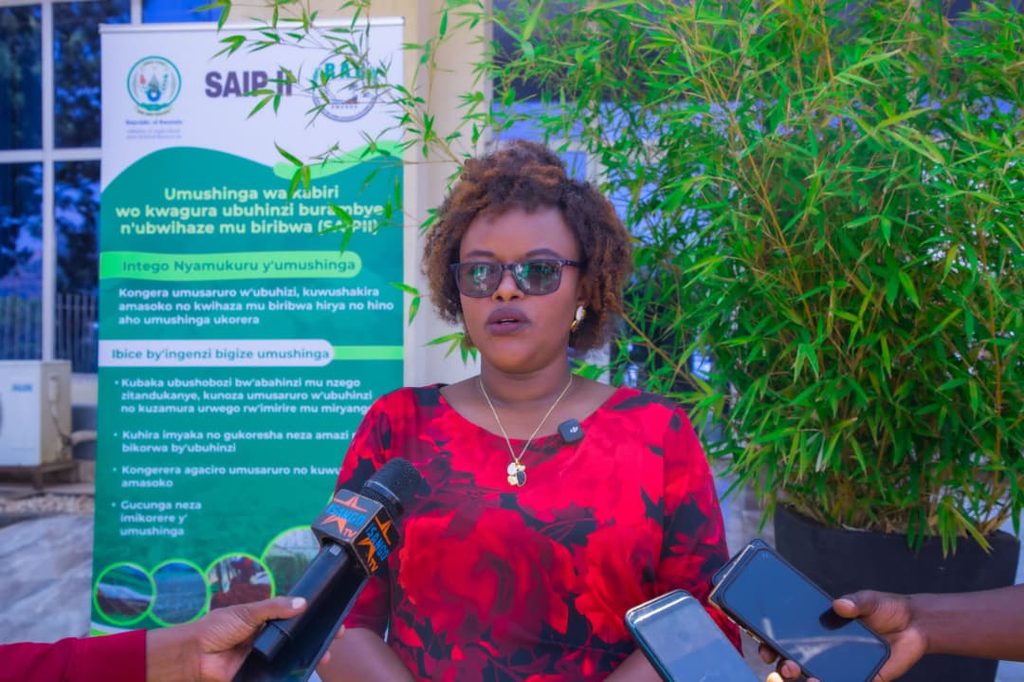
At district level, Uwamariya Agnès, Vice Mayor of Nyamagabe district in charge of Social Affairs, says SAIP II has made an important contribution to efforts to reduce malnutrition, particularly among children under five.
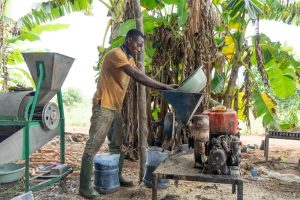
The project targeted households with children under five and pregnant women, providing beneficiaries with practical knowledge on preventing and addressing malnutrition at household level. It also trained beneficiaries to produce mushroom-growing tubes themselves, giving groups skills that can support both nutrition and income generation.
“We appreciate SAIP II for the role it has played in reducing stunting among children under five in our district. The project has not only supported vulnerable households with practical nutrition interventions, but has also equipped beneficiaries with skills they can use to address malnutrition themselves.”
According to figures shared by Uwamariya, the prevalence of stunting among children under five in Nyamagabe declined from 33.6 percent before the SAIP II intervention to 29.4 percent.
She says the project has also created a market for mushroom-growing tubes produced by trained beneficiary groups, allowing the skills acquired through the intervention to generate additional economic opportunities.
“One of the important achievements is that beneficiaries were trained to produce mushroom-growing tubes themselves, and SAIP II has also become a market for the tubes produced by these groups. This has helped turn the knowledge they acquired into a practical opportunity for their households and communities.”
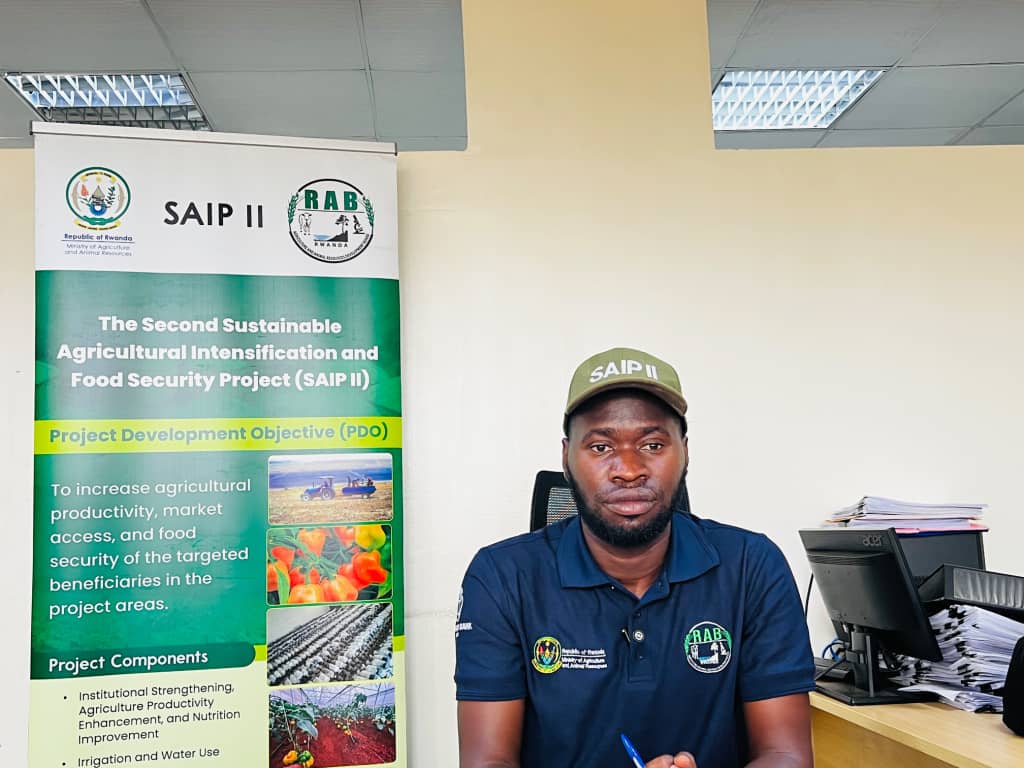
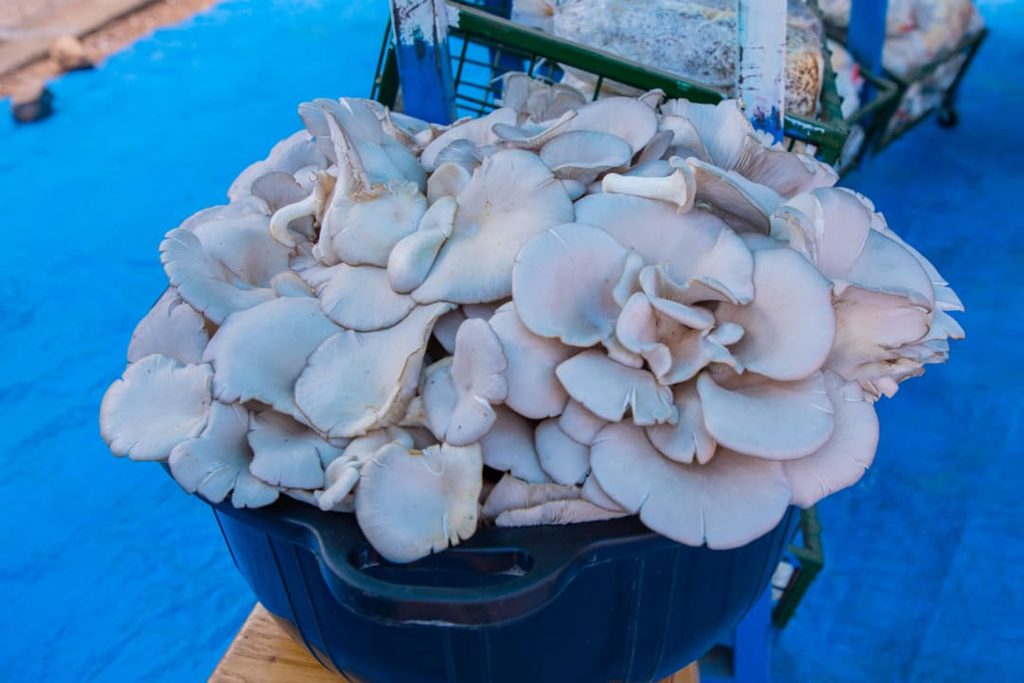
Imanimurinde Evode, Nutrition Specialist at SAIP II, says mushrooms are an important component of the project’s nutrition intervention because they provide nutrients and vitamins while offering households an opportunity to improve their livelihoods.
“Mushrooms are a nutritious crop rich in important nutrients and vitamins. They can help families fight malnutrition while also creating an opportunity to improve their livelihoods through production and sale.”
SAIP II initially distributed mushroom-growing tubes to 2,000 households as part of its nutrition intervention. Evode says the project later embraced a proposal from beneficiaries to train them to produce the tubes themselves rather than depending entirely on the project.
“We welcomed the idea from our beneficiaries to train them to produce mushroom-growing tubes themselves. Instead of depending entirely on the project for the tubes, they can now produce them for their own use and sell them to other people who need them.”
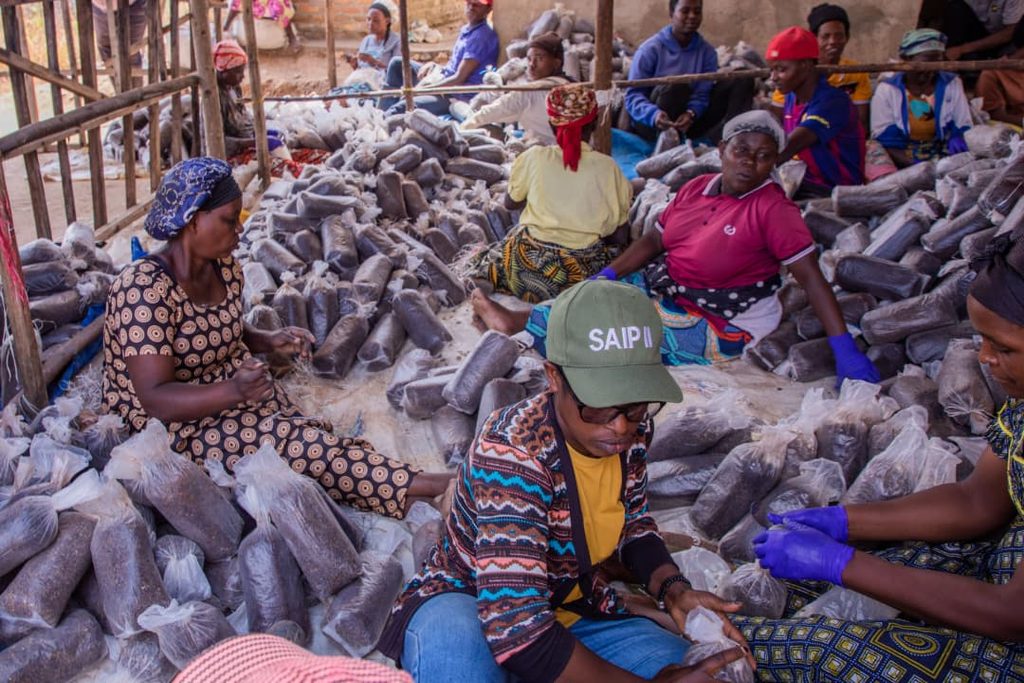
According to Evode, groups in each participating district have been equipped with the capacity to produce up to 10,000 mushroom-growing tubes, creating an opportunity for mushroom production to serve both as a nutrition solution and a source of income.
The wider results of the intervention are also reflected in district-level figures. SAIP II activities reached 3,925 families in Nyamagabe, including 3,138 children under five. Among these children, 100 had experienced malnutrition, but all recovered through coordinated interventions involving different stakeholders, with SAIP II making an important contribution.
The project also provided chickens to the 3,925 families. Among them, 165 families increased their poultry numbers, with some beginning to treat poultry keeping as a business by purchasing additional chickens and adding them to those initially provided by SAIP II.
Mushroom production has similarly developed into an economic opportunity. A mushroom-growing group established in Cyanika Sector has supplied more than 13,000 mushroom-growing tubes to SAIP II, earning more than RWF 8 million since the initiative began.
About The Author


SUBSCRIBE TO OUR NEWSLETTER