Rwanda Advances Preparations for Possible Exit from Least Developed Country Status
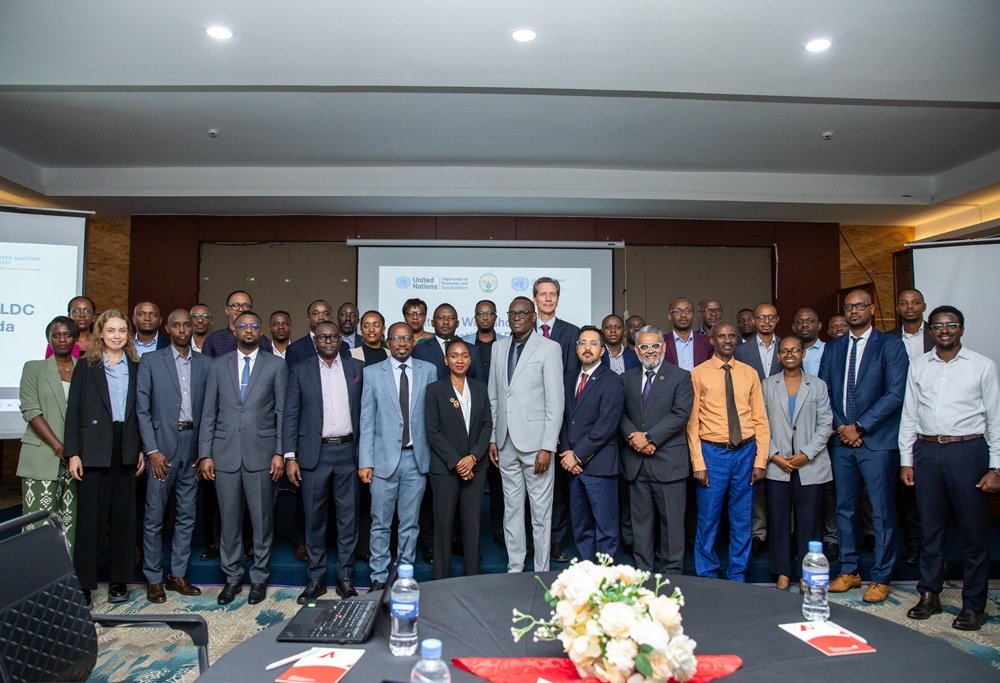
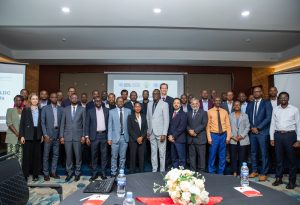
KIGALI — National consultations are underway in the Rwandan capital to examine the country’s potential graduation from the United Nations category of Least Developed Countries (LDCs), a status it has held since the list was first established in 1971.
The Ministry of Finance and Economic Planning is leading the engagements in collaboration with the United Nations Department of Economic and Social Affairs and the UN Resident Coordinator’s Office. Officials say the discussions aim to create a shared understanding of the graduation process itself and the preparatory steps required for a sustainable transition.
In its 2024 triennial review, the UN Committee for Development Policy determined that Rwanda had met the graduation criteria for the first time. The country cleared the thresholds on the Human Assets Index and the Economic and Environmental Vulnerability Index, while falling short of the income criterion based on gross national income per capita. Under established rules, a country generally must satisfy at least two of the three criteria in two consecutive reviews before the Committee can recommend graduation. Rwanda is therefore scheduled for reassessment at the next triennial review in 2027.
Should it again meet the thresholds, the Committee could recommend graduation. Any such recommendation would still require endorsement by the UN Economic and Social Council and the General Assembly, after which a preparatory period—typically several years—would follow before the change takes effect.
Rwanda’s progress on the non-income criteria reflects broader development gains. Recent economic data show resilient growth, with quarterly expansion reaching as high as 9–10 percent in 2026 and medium-term projections remaining in the 7 percent range, supported by industry, services, and infrastructure investment. Poverty has declined and human development indicators have improved, yet per-capita income remains below the current graduation threshold, and the economy continues to face structural features common among many LDCs, including significant agricultural dependence and landlocked geography.
Graduation would mark a formal recognition of reduced structural vulnerability and expanded productive capacity. It would also gradually phase out certain international support measures, including preferential trade access and specific development assistance modalities. The ongoing national engagements and related technical assessments are intended to map these implications in advance and identify measures that can help preserve momentum after any transition.
For a country that entered the LDC category at its inception more than five decades ago, the current process represents both a milestone in long-term development efforts and a practical exercise in managing the next stage of that trajectory. The outcome of the 2027 review will determine how soon, if at all, formal graduation recommendations move forward.
About The Author


SUBSCRIBE TO OUR NEWSLETTER