Africa Adopts Landmark Standards to Improve Health Worker Training Quality
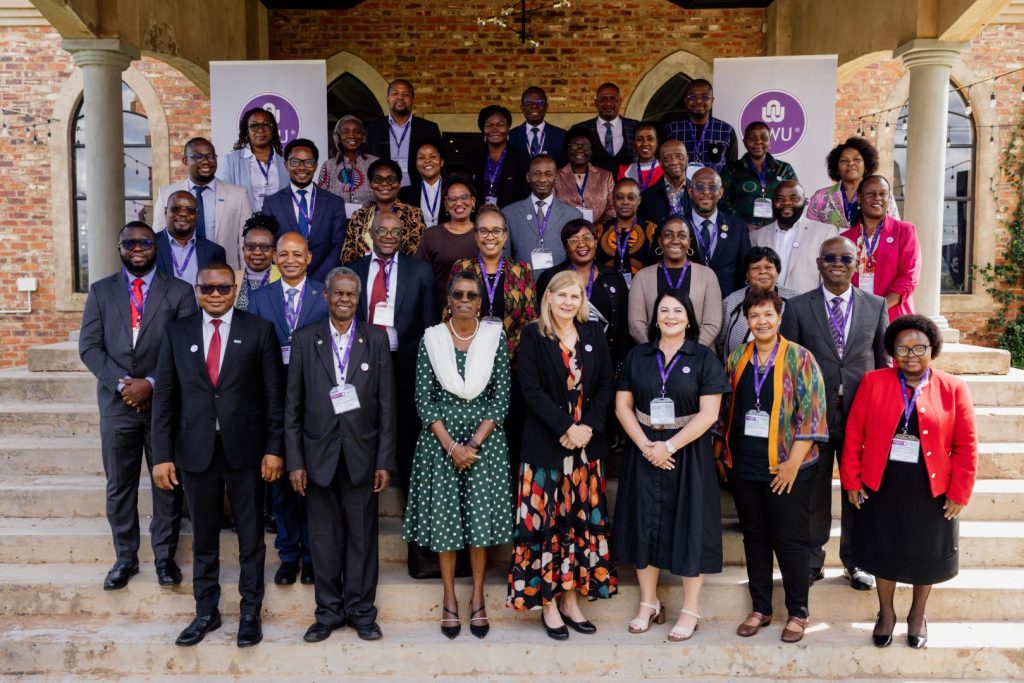
Health regulators, education leaders and technical experts from across Africa have reached a landmark agreement to improve the quality of health professional training, adopting a new continental framework aimed at strengthening healthcare systems.
The newly endorsed Africa Health Professions Education Quality Standards (AHPEQS) set a shared benchmark to enhance the quality, relevance and responsiveness of training for health workers across the region.
The agreement comes at a critical moment, as Africa faces a projected shortage of 6.1 million health professionals by 2030. The gap is driven by high attrition, migration of skilled workers abroad, and mismatches between training outputs and the continent’s evolving health needs.
In many countries, the crisis is further complicated by a paradox where shortages of health workers exist alongside unemployment, particularly in primary healthcare and specialized services. This imbalance continues to strain already fragile health systems.
The standards were adopted during a three-day meeting held in Potchefstroom, marking a shift from simply increasing the number of trained professionals to ensuring their competence, accountability and readiness to meet modern healthcare demands.
Although Africa has expanded its training capacity, with more than 4,000 institutions producing over 225,000 graduates annually, concerns persist about the preparedness of some graduates. Studies have highlighted gaps in critical skills such as diagnostic accuracy and clinical decision-making.
Experts say inconsistencies in education quality, regulatory capacity and institutional performance have contributed to uneven delivery of safe and effective healthcare services.
The AHPEQS framework directly addresses these challenges. It is structured around nine domains and 35 standards, covering key areas such as regulatory systems, institutional governance, curriculum design, student support, staffing, infrastructure, quality assurance, partnerships and workforce competence.
By establishing a common reference point, the standards are expected to strengthen accreditation systems, improve institutional performance and ensure graduates are equipped to respond to Africa’s health priorities.
The agreement, known as the Potchefstroom Consensus, reflects growing recognition that improving health outcomes requires not only more health workers, but better-trained ones. It also aligns with broader continental goals, including African Union’s Agenda 2063, which promotes a skilled workforce and the free movement of professionals across Africa.
“We are collectively shaping a continental architecture for health professions education that reflects African realities and priorities,” said Adelheid Onyango, Director of Health Systems Strengthening at the World Health Organization Regional Office for Africa.
Participants called for urgent action to implement the standards, urging the WHO to collaborate with regional bodies to develop technical guidance, benchmarking tools and support materials. Countries were also encouraged to integrate the standards into national regulatory and accreditation systems.
Training institutions and regulatory bodies were advised to adopt competency-based education models, strengthen collaboration and leverage innovation to improve learning outcomes.
The AHPEQS form part of the broader Africa Health Workforce Agenda 2026–2035, which aims to train, employ and retain an additional three million health workers across the continent. The initiative builds on earlier efforts, including prototype competency-based curricula introduced in 2025.
“These standards will enhance accountability, improve comparability of qualifications and support the mobility of health professionals across borders,” said James Avoka Asamani.
With the adoption of the new standards, African countries have taken a significant step toward ensuring that health professionals are not only trained in greater numbers, but are also equipped with the skills and competencies needed to deliver quality care.
Experts say the move is crucial to advancing universal health coverage and achieving the Sustainable Development Goals across the continent.

SUBSCRIBE TO OUR NEWSLETTER