Rwanda Urges Parents to Prioritise Children’s Ear Health

Health officials in Rwanda have called on parents to closely monitor their children’s ear health and avoid practices that could lead to preventable hearing loss, as the country marked World Hearing Day on March 3.
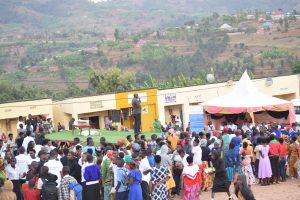
The national commemoration, held at GS Cyivugiza in Nyamirambo Sector, Nyarugenge District, was organised by the Rwanda Biomedical Centre (RBC) in collaboration with the Rwanda Otolaryngology Head and Neck Surgery Society (ROHNSS) and other partners. This year’s global theme, “From communities to classrooms: hearing care for all children,” emphasised early detection and intervention, particularly within schools and local communities.
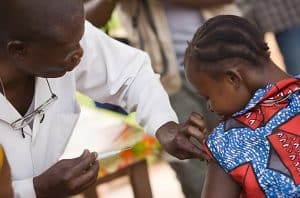
The event brought together healthcare professionals, teachers, parents, and policymakers, and featured free hearing screenings for children, including otoscope examinations, tuning fork tests, and basic audiometry.
Preventable cases still high among children

Dr. Clementine Uwimbabazi, who works in Non-Communicable Diseases (NCDs) at RBC, revealed findings from a pilot study that highlighted the magnitude of hearing problems among children.
“In a study involving 760 children initially screened by Community Health Workers, 691 were later examined by ENT specialists. Out of those, 115 were found to have treatable ear conditions and regained their hearing after receiving care,” she said.
Additionally, 295 children were fitted with hearing aids following the assessments. The findings led to the launch of the “Winsiga Ndumva” programme in 2023, initially piloted in four districts before expanding to nine.
Through the initiative, 77 nursery and primary school teachers, particularly those teaching lower primary classes up to Primary Three, were trained to identify early signs of disabilities, including hearing impairments. To date, 1,017 teachers across the nine districts have been trained.
Rwanda has also established five district model centres for ear and hearing care. These include Nyarugenge Hospital in the City of Kigali, Nyagatare in the Eastern Province, Gihundwe Hospital in Rusizi (Western Province), and Musanze in the Northern Province. Referral hospitals have also been equipped with advanced diagnostic tools to strengthen hearing assessment services.
Cost of hearing aids remains a burden

Despite progress, officials acknowledged that access to hearing devices remains costly.
“One digital hearing aid costs about 125 US dollars, which is approximately 1.8 million Rwandan francs. For both ears, the cost exceeds 3 million francs. Very few rural families can afford this,” Dr. Uwimbabazi noted.
She welcomed the recent inclusion of hearing aids under Rwanda’s Community-Based Health Insurance scheme (Mutuelle de Santé), though she admitted that the devices remain expensive even with coverage.
“I urge parents to change their mindset and pay close attention to their children’s ear health. They should prevent children from inserting objects into their ears and ensure regular medical check-ups,” she added.
Common but preventable causes
According to the World Health Organization, more than 430 million people worldwide live with disabling hearing loss, including about 90 million children and adolescents aged between five and 19. Up to 60 percent of hearing loss in children is preventable.

Dr. Josiane Mutoni, an Ear, Nose and Throat (ENT) specialist and member of ROHNSS, said children are particularly vulnerable due to earwax buildup and middle ear infections, known as acute or chronic otitis media.
“Acute otitis media often develops from untreated colds or sinus infections. If not properly treated, it can progress into chronic infection, leading to persistent ear discharge and temporary or even permanent hearing loss,” she explained.
She added that children frequently insert foreign objects such as beans or small stones into their ears, while some parents use sharp objects like hairpins and matchsticks to clean ear canals, practices that can cause serious damage.
“Parents should watch for early warning signs such as delayed speech, failure to respond when called by name, frequently asking ‘what?’, misunderstanding instructions, or poor academic performance,” Dr. Mutoni advised.
She noted that in Rwanda, many parents only detect hearing problems when a child is two years or older, usually after noticing speech delays. Limited awareness and the absence of routine newborn hearing screening contribute to late diagnosis, especially in rural areas where specialised services are scarce.
Currently, Rwanda has very few audiologists and specialised hearing clinics, further challenging early detection and management.
Community awareness key

Juliene Uwambayinzobe, a resident of Cyivugiza Cell in Nyamirambo, the awareness campaign was eye-opening.
“Today I learned how to protect my children from hearing disability before it is too late. I realised that some ear problems can result from negligence or improper care at home, including allowing children to insert inappropriate objects into their ears,” she said.
She admitted that many parents underestimate seemingly minor habits that can harm children’s ears.
“We sometimes neglect guiding our children on what they should or should not use. Now we understand that some practices we considered harmless can actually damage their hearing,” she added.

Dr. Athanase Rukundo, who oversees Clinical and Public Health Services Governance at the Ministry of Health, stressed the importance of integrating hearing care into school and community health programmes.
“In communities and schools, children, parents, and teachers are easily accessible. By integrating hearing care into school health programmes, we can help children hear, learn, and succeed,” he said.
He acknowledged a shortage of ENT specialists in the country, noting that Rwanda currently has only 40 ENT doctors. However, under the government’s “4×4” programme, authorities aim to quadruple that number within four years.


About The Author

SUBSCRIBE TO OUR NEWSLETTER