AI and Autonomous Systems Reshape Africa’s Security Landscape
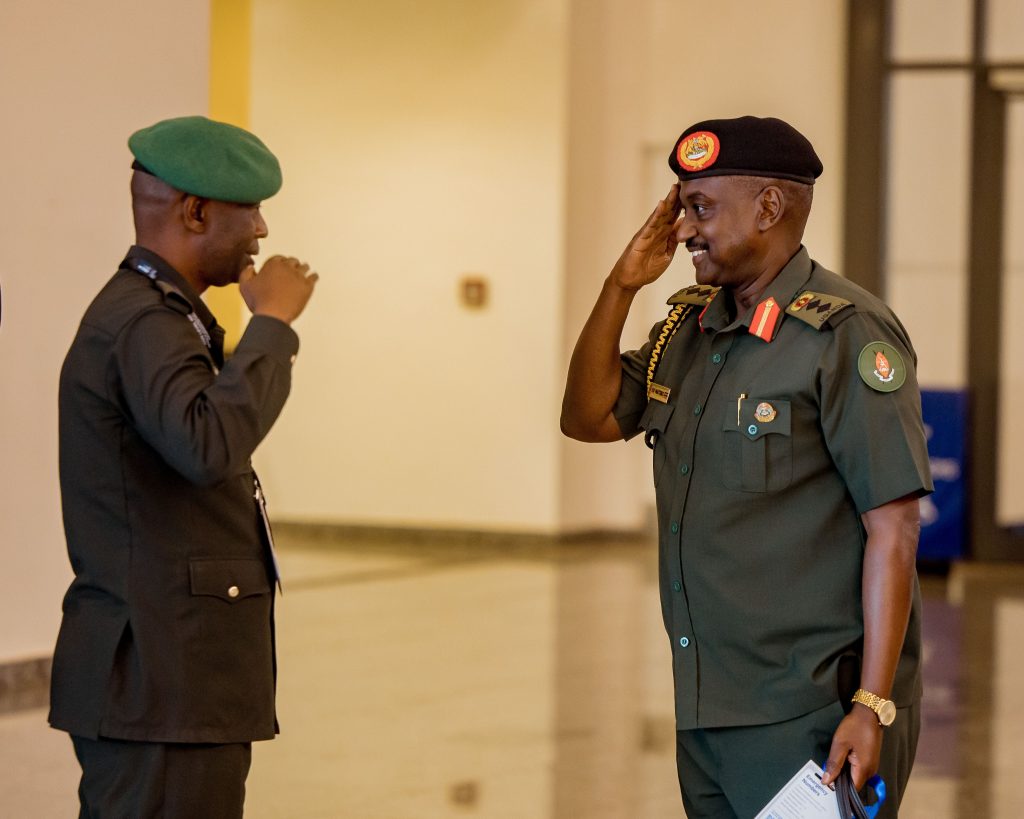
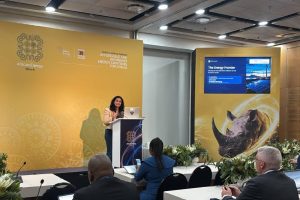
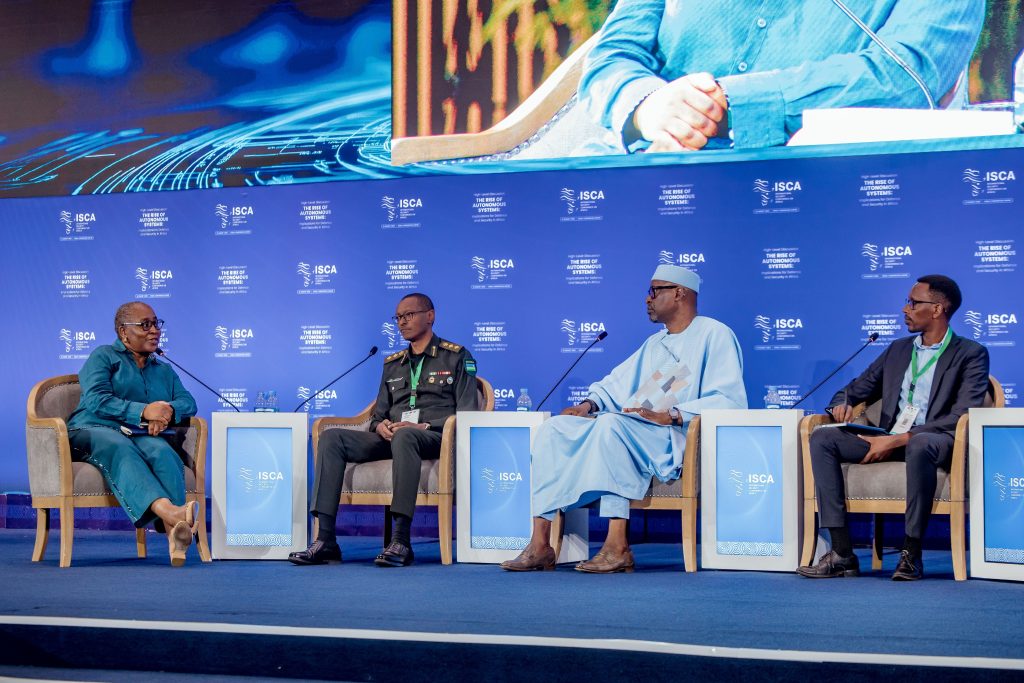
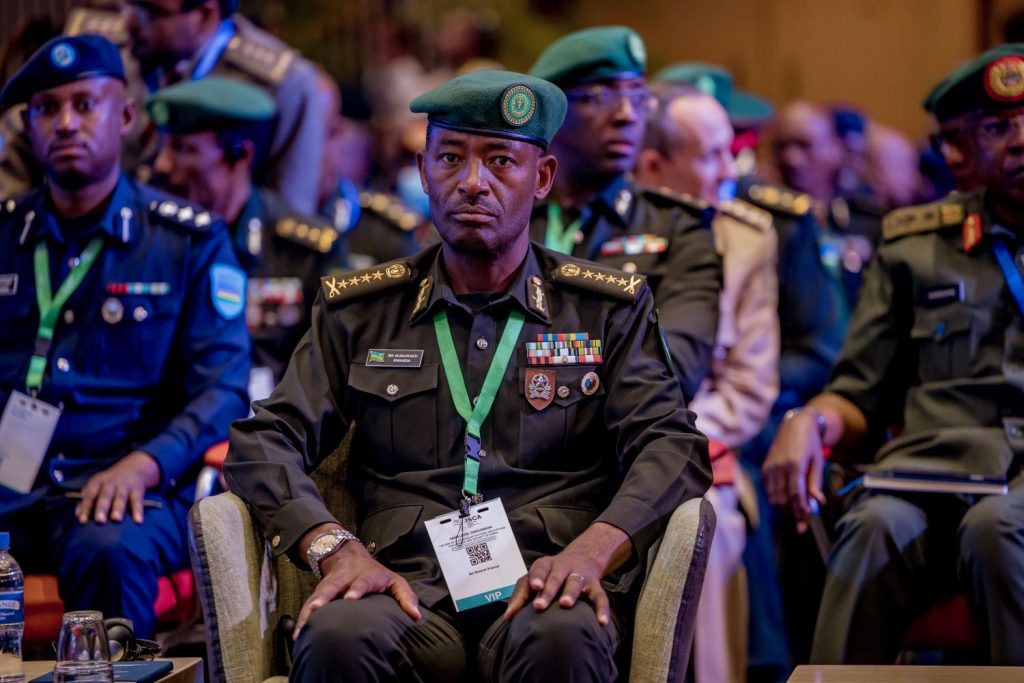
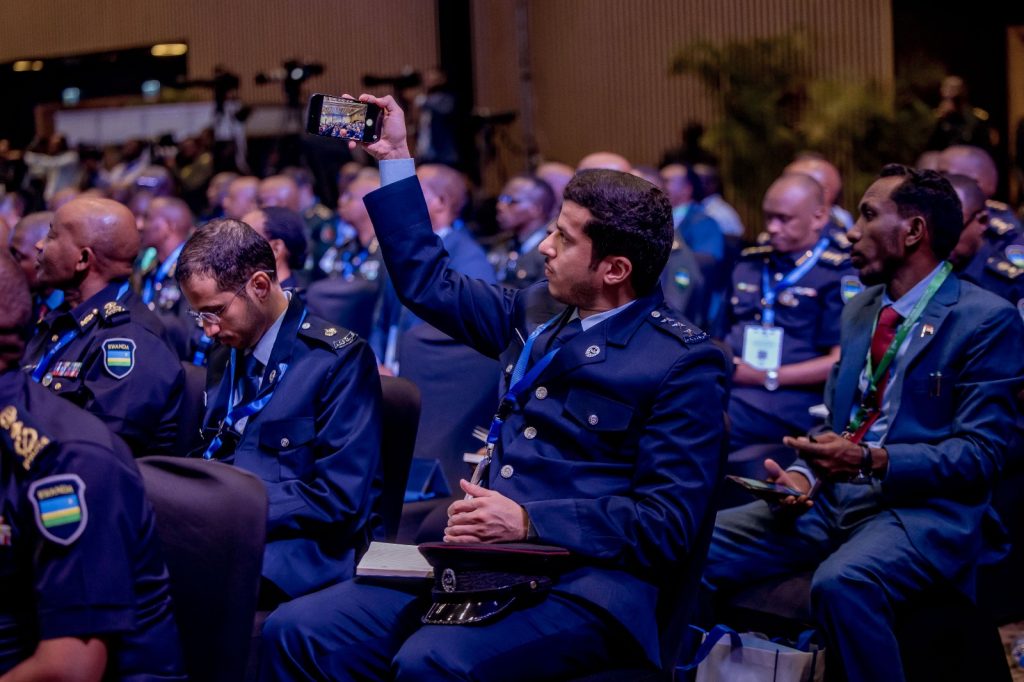
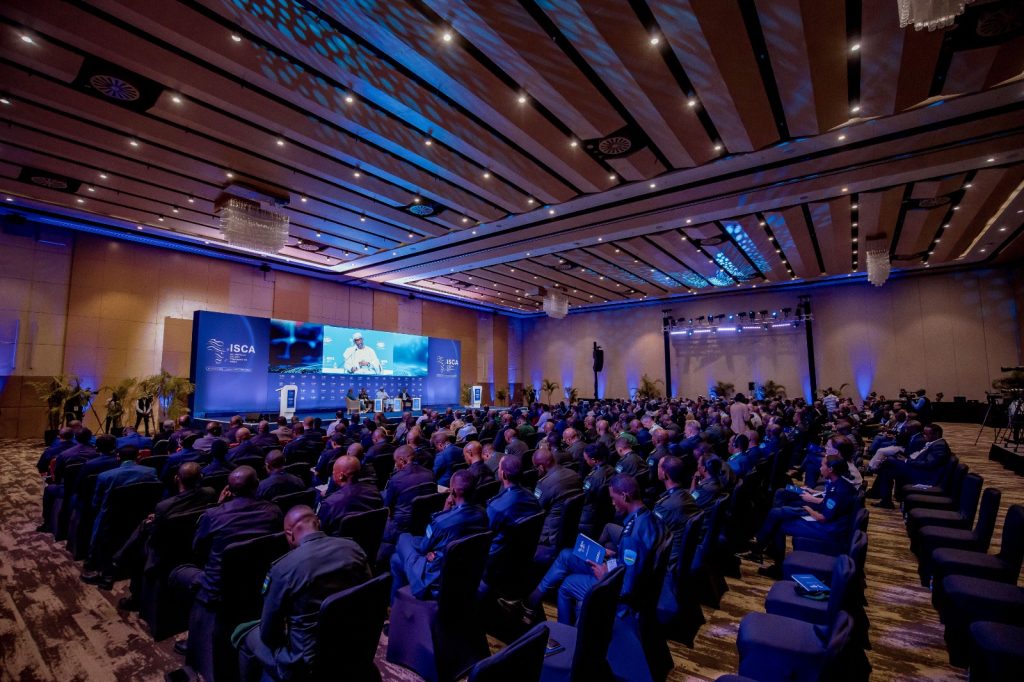
More than 300 delegates from around 50 countries gathered at the Kigali Convention Centre on Wednesday for a high-level discussion organized by the International Security Conference on Africa (ISCA).
The one-day event focuses on the theme “The Rise of Autonomous Systems: Implications for Defence and Security in Africa.”
Policymakers, defence and security officials, technology experts, researchers and strategic partners are examining how artificial intelligence and autonomous systems — including aerial, maritime and ground platforms — are transforming warfare, border security, peace support operations and national defence across the continent.
ISCA Executive Director Lt. Gen. (Rtd) Frank Mushyo Kamanzi opened the discussions by stressing that these technologies present both significant opportunities and serious challenges.
He noted that AI-enabled autonomous systems are already reshaping modern conflict and security operations, raising urgent questions about human oversight, accountability, governance and the risks of misuse.
Kamanzi called for stronger African cooperation to develop policies and capabilities that reflect the continent’s own security needs and priorities.
Rwanda’s Minister of Foreign Affairs and International Cooperation, Olivier Nduhungirehe, emphasized the need for African countries to invest in skills, institutions and homegrown technological capabilities.
“Africa cannot afford to fall behind as these technologies continue to evolve. We must understand their implications for our security, but also for our sovereignty and strategic autonomy,” he said.
During the first panel, Col. Patrick Nyirishema, Head of Defence Research and Development at the Rwanda Defence Force, highlighted a fundamental shift in how military power is measured.
“For centuries, military power was determined by who had more soldiers… But we’ve entered an era where machines can see. Machines can analyse. Machines can make decisions. And machines can act with diminishing human intervention,” he stated.
A second panel is expected to address Africa’s strategic responses, including governance frameworks, military transformation, policy adaptation and capability development.
The discussions form part of ISCA’s broader effort to promote Africa-led dialogue on security challenges.
The organization, an international non-governmental body registered in Rwanda, held its inaugural conference in Kigali in May 2025, which was opened by President Paul Kagame.
Organizers say the outcomes are intended to help strengthen Africa’s security, sovereignty and strategic autonomy in an era of rapidly advancing autonomous technologies.
About The Author


SUBSCRIBE TO OUR NEWSLETTER