New regimens replace long, toxic, injection-based treatments
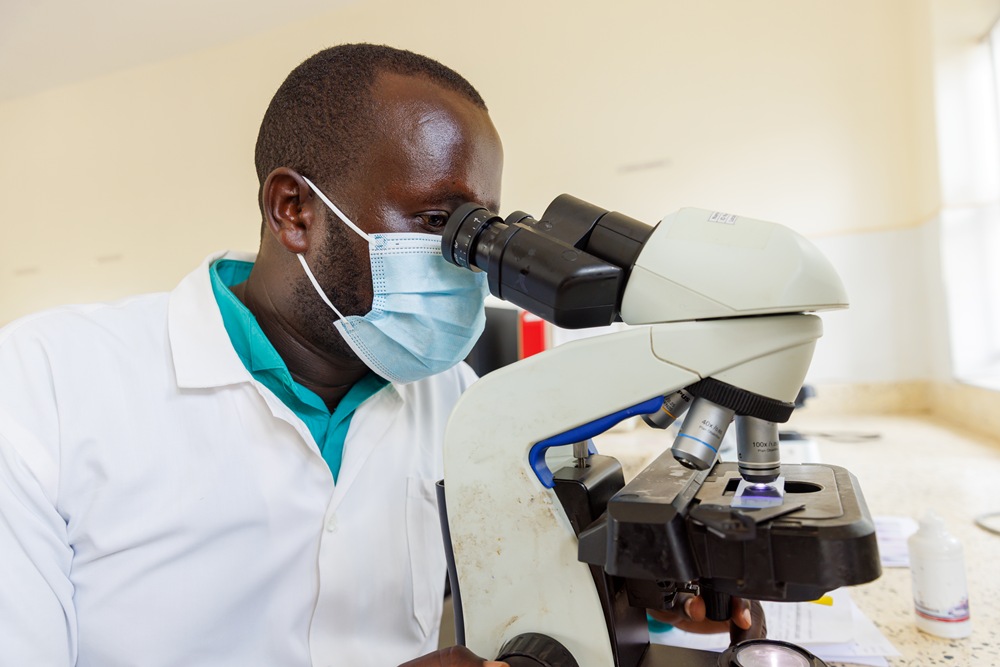
The new regimens replace long, toxic, injection-based treatments with safer, simpler options for this neglected disease.
- In eastern Africa, the newly recommended combination treatment is over 90% effective, cuts injections from 34 to 14, and shortens hospitalization for post-kala-azar dermal leishmaniasis (PKDL) treatment from 60-90 days to 14.
- In South Asia, new PKDL options reduce reliance on long, toxic treatment courses – supporting efforts to sustainably eliminate leishmaniasis in the region.
The World Health Organization (WHO) has issued major updates to its leishmaniasis treatment guidelines, introducing a new regimen for visceral leishmaniasis (VL/kala-azar) in eastern Africa and several shorter options for post-kala-azar dermal leishmaniasis (PKDL) in eastern Africa and South Asia.
The new regimens recommended for VL and PKDL in eastern Africa are free from sodium stibogluconate (SSG), long known for its painful injections and severe toxicities, replacing it for the first time with an oral drug, miltefosine (MF). In South Asia, new recommended treatment options for people with PKDL are now shorter and safer, with liposomal amphotericin B (LAmB) alone or in combination with MF. The guidelines also provide guidance for the management of VL relapse in South Asia.
These new therapies recommended for VL and PKDL in eastern Africa and some of the recommended alternative regimens for PKDL in South Asia were developed by the non-profit medical research organization Drugs for Neglected Diseases initiative (DNDi) and partners.
‘For too long, patients suffering from leishmaniasis have endured treatments nearly as punishing as the disease itself. These new WHO guidelines mark a turning point,’ said Dr Daniel Ngamije Madandi, WHO Director of Malaria and Neglected Tropical Diseases. ‘By recommending safer, shorter, and more patient-friendly regimens, we are not just improving care; we are accelerating our fight to eliminate this devastating disease and offering renewed hope to communities across Africa and Asia.’
VL, also known as kala-azar (‘black fever’ in Hindi), is transmitted by the bite of an infected sandfly and is one of the world’s deadliest parasitic killers after malaria. It causes high fever, weight loss, anaemia, spleen and liver enlargement, and, if not treated, death. The disease is endemic in 80 countries, with 50,000 to 90,000 new cases estimated to occur each year, while only 25–45% are reported to WHO.
PKDL is a skin condition that can develop months after successful kala-azar treatment. Though not life-threatening, it is highly stigmatizing, and many people living with PKDL face social isolation and mental health challenges. PKDL can also contribute to ongoing transmission of VL in affected communities.
The new treatments will significantly improve the standard of care for patients with leishmaniasis, ahead of the expected arrival in the coming years of even more patient-friendly, innovative oral therapeutic options now in development. This includes LXE408, a novel oral candidate for leishmaniasis that DNDi is jointly developing with Novartis.
‘We are delighted that more patient-friendly treatments developed with our partners have been included in the WHO guidelines,’ said Dr Fabiana Alves, Leishmaniasis-Mycetoma Cluster Director at DNDi. ‘These advances are important steps towards elimination, but we are already looking ahead. We are now working with Novartis and partners on the development of LXE408, a promising new oral candidate that could help us soon finally move away from injectable regimens.’
Guidelines for Eastern Africa: VL and PKDL
Eastern Africa now bears the greatest burden of kala-azar, accounting for 79% of cases in 2024, with half of those affected being children under 15.
The new kala‑azar treatment, developed through clinical trials in Ethiopia, Kenya, Sudan, and Uganda, combines oral MF with the injectable antibiotic paromomycin (PM). The MF+PM regimen demonstrated over 90% effectiveness and reduces treatment from 34 painful injections over 17 days to 14 injections over 14 days – 20 fewer injections – with one injection per day alongside oral MF. In addition, the MF+PM regimen helps lower the risk of developing PKDL.
The MF+PM and LAmB-MF combinations were also evaluated against PKDL in a study conducted in Sudan. In Sudan, nearly 20% of former kala-azar patients eventually develop PKDL – the highest rate in the world.
The trial demonstrated that the MF+PM combination had a very high cure rate against PKDL. This new treatment offers significant advantages, including a much shorter hospitalization period: 14 days compared to the 60–90 days required for the existing treatment based on SSG injections. After 14 days, patients complete MF orally at home for an additional 28 days, substantially easing the burden on families and health facilities. Due to the risk to fetal development associated with MF, women of childbearing potential will need to have a negative pregnancy test and adhere to contraception to receive this new treatment; otherwise, they will continue to receive the current standard of care.
‘The new regimens offer significant advantages for patients,’ said Prof. Ahmed Musa, Sudan’s Minister of Higher Education and Scientific Research and former Senior Investigator of the study at the Institute of Endemic Diseases, University of Khartoum. ‘Shorter hospital stays mean patients with PKDL no longer need to spend weeks away from home. Reducing the number of painful, toxic injections and replacing them with an oral component has made treatment not only easier but also safer for patients.
Guidelines for South Asia: PKDL
In South Asia, PKDL remains a major public health challenge occurring in an estimated 5–15% of patients treated for VL. The continued presence of PKDL is recognized as one of the main risks to maintaining the gains of kala-azar elimination programmes in India, Bangladesh, and Nepal.
Existing PKDL treatment is based on long administrations of MF (12 weeks), but prolonged use of this drug has been associated with poor adherence and risks such as ocular toxicity, which is why alternatives are urgently needed.
The new WHO-recommended options limit MF exposure, either by using LAmB alone or in combination with a short, time-limited course of MF that is effective and reduces toxicity concerns.
‘We have seen firsthand in a study from Bihar, how improved treatment regimens for PKDL can transform patient outcomes. The move towards safer, shorter, and combination therapies is a major step forward. It reduces toxicity concerns, improves adherence, and ultimately strengthens our efforts to eliminate kala-azar by addressing PKDL as a key reservoir of infection’,said Prof Shyam Sundar, Professor of Medicine, Institute of Medical Sciences, Banaras Hindu University and Programme Director, Kala-Azar Medical Research Centre, India.
Following WHO’s decision to include the new treatments in their guidelines, countries affected by VL and PKDL are expected to incorporate them into their own national treatment protocols soon.
‘Now that the WHO has updated its treatment guidelines, we are working also to include the new treatments in our national guidelines, so our patients can benefit from them as soon as possible,’ said Wyckliff Omondi, Head, Division of Vector Borne & Neglected Tropical Diseases at the Ministry of Health, Kenya. ‘Kenya has been an active partner in the development of these new treatments through the Leishmaniasis East Africa Platform (LEAP), and we are hopeful that all our joint efforts will lead to the elimination of this terrible disease.’
About The Author


SUBSCRIBE TO OUR NEWSLETTER