RBC urges special support for young people living with Type 1 Diabetes
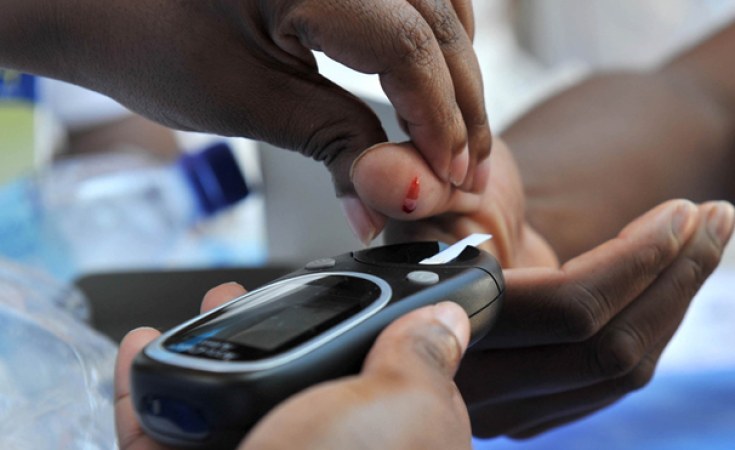
The Rwanda Biomedical Center (RBC) has called for special attention and support for children and young people living with Type 1 diabetes, saying proper treatment, practical knowledge and emotional support can help them regain confidence and continue living productive lives.
Gad Nshimiyimana of RBC’s department responsible for diabetes control, said Type 1 diabetes often affects children and young people who require specific support to learn how to manage the condition throughout their lives.
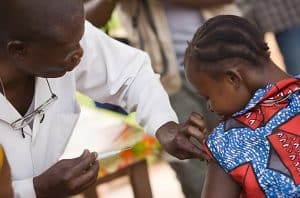
“Children need special care so that they can learn to live with the disease,” Nshimiyimana said, stressing the importance of helping young patients understand how to administer insulin, manage their diet and recognize warning signs requiring medical attention.
He said the psychological impact of being diagnosed with a lifelong condition can also be significant, particularly for young people who may become discouraged or even drop out of school after learning that they have diabetes.
“Many of them lose confidence when they are told that it is a disease they will live with for a long time,” he said.
Nshimiyimana said diabetes education should therefore go beyond medication to help young people regain confidence and understand that they can continue with their education and other activities.
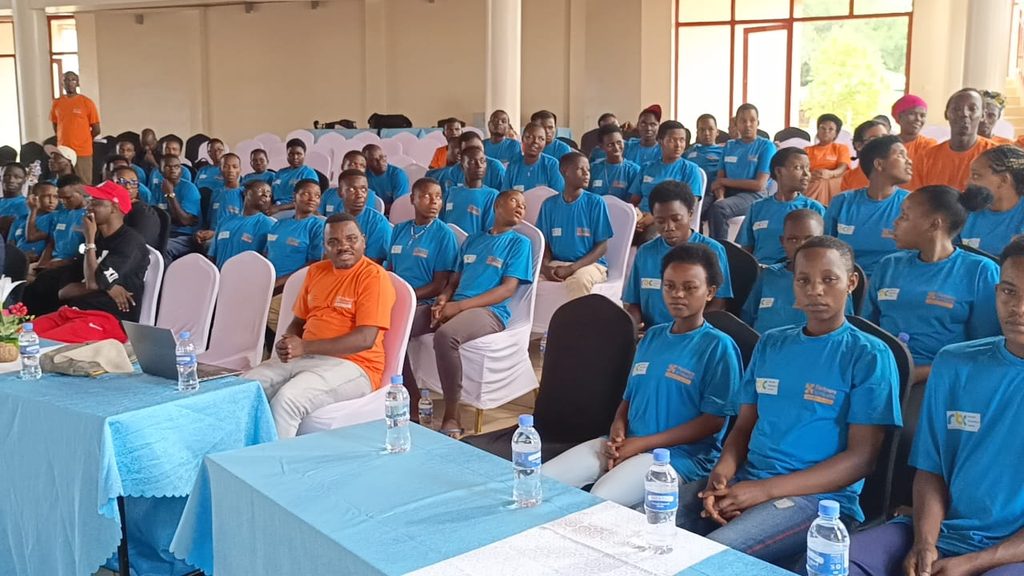
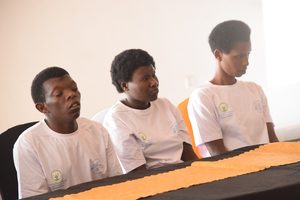
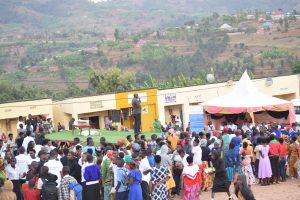
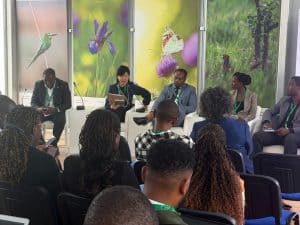
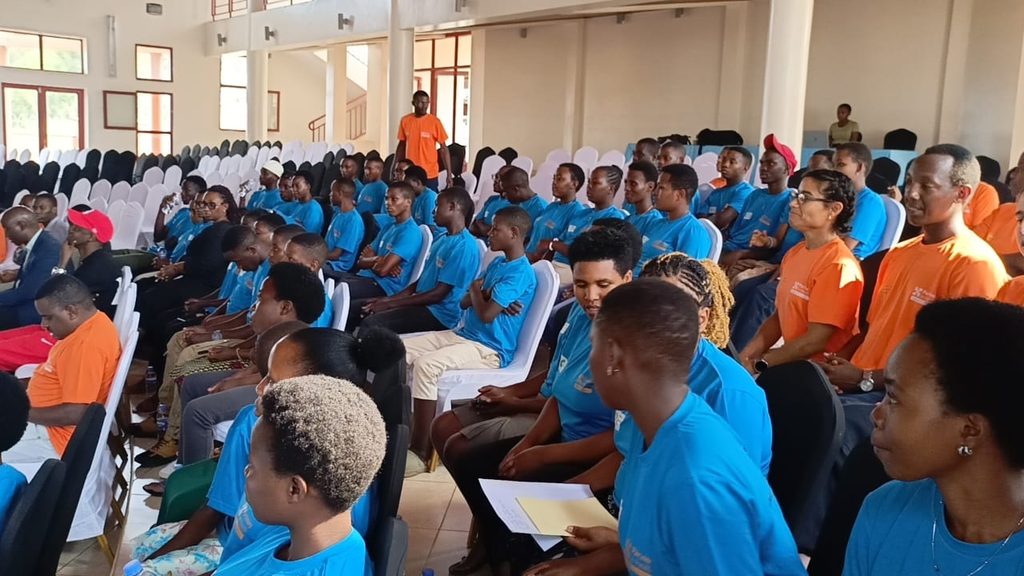
The comments came as young people living with Type 1 diabetes, caregivers and health workers gathered in Kabuga as part of a Type 1 Diabetes Patient and Family Camp held under the theme, “Thriving Together: Learning, Growing, and Living Well with Type 1 Diabetes.”
The camp, running from August 16 to 22, is designed to equip young people and their families with practical skills to manage diabetes in everyday life, including insulin administration, blood glucose monitoring, nutrition, physical activity, mental health and emergency management.
Living beyond the diagnosis
Nshimiyimana said being diagnosed with diabetes should not mean that a person has to stop pursuing their ambitions.
“After diabetes, life continues. A person lives with it and can carry out activities normally, just as they did before, as long as they receive treatment, take their medication properly and keep their blood sugar under control,” he said.
He urged people living with diabetes, particularly children and young people, to follow medical advice on medication, nutrition and physical activity.
“Diabetes is something a person lives with while still contributing to the country,” he said.
He added that RBC conducts similar activities in different parts of the country to reach children living with diabetes and provide them with knowledge and support.
Why Type 1 diabetes requires closer attention
Pacifique Hagenimana, Director of the Non-Communicable Disease Programme at Partners In Health (PIH), locally known as ‘Inshuti Mu Buzima’ (IMB), said about 70 people were taking part in the week-long activities, including 38 young people living with Type 1 diabetes, 12 adults living with the condition who serve as peer counsellors, and about 20 healthcare workers from Rwinkwavu, Butaro and Kirehe hospitals.
He said Type 1 diabetes receives particular attention because people living with the condition require insulin injections and face the risk of blood sugar becoming dangerously low or excessively high.
“The reason we put a lot of emphasis on Type 1 diabetes is that a person living with it is required to use insulin injections, and the condition can cause very low blood sugar, which is particularly dangerous, as well as high blood sugar,” Hagenimana said.
He said the condition can affect children and young people, making early education and support important in helping them learn to manage it.
Patients call for continued access to monitoring tools
For people living with diabetes, the knowledge gained from such programmes can make a difference in managing the condition and preventing complications.
Diane Uwingeneye, a Type 1 diabetes patient receiving treatment at Rwinkwavu Hospital, said the training had given participants more knowledge about diabetes and other non-communicable diseases that can arise when the condition is poorly managed.
She said failing to take medication properly and allowing blood sugar levels to remain high can increase the risk of developing other health problems.
“To protect your health in the future, the first thing is to follow the advice given by your doctor and stay on the right track,” Uwingeneye said.
She also emphasized the importance of regularly monitoring blood sugar levels so that patients can understand how their condition is progressing and take appropriate action.
Uwingeneye thanked Partners In Health for providing monitoring equipment to some young people living with diabetes, saying access to such tools helps them monitor their condition.
Recent national data show that diabetes affects about 2.9% of people in Rwanda.
The organisers say the broader goal of the camp is to ensure that young people progressively take responsibility for their own health while families and caregivers gain the knowledge and confidence needed to support them at home.
About The Author

SUBSCRIBE TO OUR NEWSLETTER