Rwanda’s Reckoning with Toxic Alcohol: Accountability Reaches the Regulators
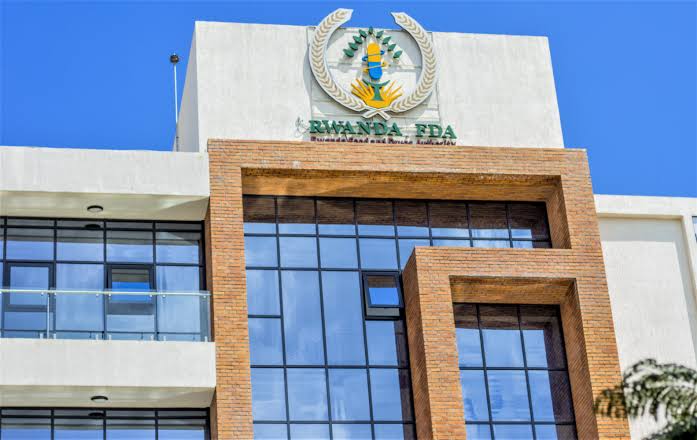
The arrest of Rwanda’s top food and drug regulator alongside nearly two dozen other officials marks a significant escalation in the country’s ongoing battle against toxic and illicit alcohol.
What began as a public health emergency involving cheap, dangerous brews has evolved into a broader examination of institutional failures, regulatory lapses, and the human cost of products that slipped through official safeguards.
Known locally as Ibyuma and similar unregulated drinks, these beverages have been linked to methanol contamination and other hazardous substances, resulting in deaths, permanent blindness, organ damage, and hundreds of hospitalizations across the country this year.
Authorities had already shuttered more than a hundred manufacturing facilities, withdrawn products from shelves, and detained producers and sellers.
The latest action by the Rwanda Investigation Bureau, targeting the director general of the Rwanda Food and Drugs Authority and officials from standards bodies and local government, signals that the investigation now reaches those responsible for licensing, inspection, and market oversight.
This development reflects a deliberate shift from addressing only the visible end of the supply chain—street vendors and small-scale manufacturers—to questioning how such products obtained formal approvals or escaped detection for so long.
Reports indicate some items carried official marks of quality despite lacking proper documentation, raising serious concerns about corruption, negligence, or systemic weaknesses in enforcement.
The human toll has been severe, particularly among younger consumers drawn to inexpensive options, turning what many viewed as a social or economic issue into a national tragedy that demanded stronger institutional responses.
Public conversation captures a complex mix of reactions that underscore both relief and lingering questions.
Many express strong support for the arrests, viewing them as evidence that no position is above accountability when lives are at stake and praising the government’s willingness to confront failures within its own ranks.
There is frequent emphasis on the importance of protecting citizens over protecting institutions, with some framing the crackdown as a model of decisive leadership on public safety.
At the same time, others push for the net to widen further, asking whether those who promoted or marketed the dangerous products, including certain online influencers, will face similar scrutiny.
A smaller current of skepticism appears, with some predicting that the intensity of the moment may eventually give way to releases or softer outcomes once public attention fades.
Calls for deeper structural reform of regulatory agencies surface repeatedly, alongside appeals for citizens to continue reporting remaining stocks of banned drinks and for young people to avoid them entirely.
The analysis of these events points to both progress and unresolved challenges.
Closing factories and removing products from the market addresses immediate risks, while arresting senior officials sends a powerful deterrent message about the consequences of regulatory failure.
Yet the scale of the health crisis suggests that oversight gaps had persisted long enough to allow widespread harm.
Restoring public trust will require transparent investigations, clear evidence of how licenses were granted or inspections overlooked, and lasting improvements in monitoring systems so that similar failures do not recur.
Rwanda’s approach demonstrates a readiness to treat public health threats with institutional seriousness, but the ultimate measure of success will lie in whether safer products dominate the market and whether the regulatory culture itself becomes more rigorous and resistant to compromise.
As the legal process unfolds, the focus remains on preventing further needless suffering while ensuring that accountability is applied consistently across every level of responsibility.
About The Author


SUBSCRIBE TO OUR NEWSLETTER