When the Soil Becomes a Health Challenge: Rwanda’s Fight Against Podoconiosis
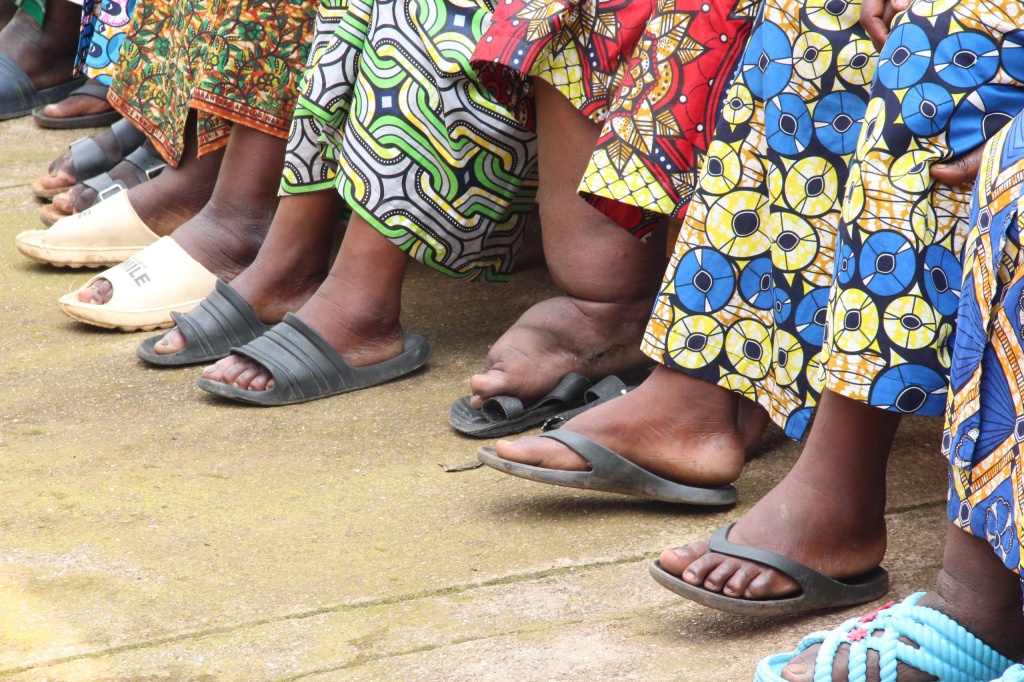
For many communities living in Rwanda’s highland areas, the soil is part of everyday life. But for some people, prolonged exposure to volcanic soil can be associated with a neglected tropical disease that affects mobility, wellbeing and livelihoods: podoconiosis.
Rwanda’s new Neglected Tropical Diseases Strategic Plan 2026–2030 identifies podoconiosis as one of the diseases that continues to require attention, particularly in the country’s North and West. A national prevalence study conducted in 2017 reported 68.5 cases per 100,000 people, with some of the highest rates recorded in districts including Nyamasheke and Rusizi, where the disease has been linked to exposure to volcanic soil in highland areas.
But the challenge is not only medical.
For people living with podoconiosis, the burden can extend into everyday life. The Strategic Plan describes the disease as contributing to a socioeconomic burden among affected rural communities and notes that cultural misconceptions—including beliefs associating the condition with supernatural causes—can discourage people from seeking care.
Building a pathway to care
There are, however, signs of progress.
According to the Strategic Plan, Rwanda has established 13 podoconiosis treatment centres. Eleven of these centres were created through a partnership between the HASA and the Rwanda Biomedical Centre (RBC), with funding from the Izumi Foundation, complementing two existing facilities.
The centres provide screening, treatment and preventive services. National treatment guidelines, awareness materials and reporting tools have also been developed, while 22 health professionals—11 nurses and 11 physiotherapists—have been trained in podoconiosis management.
Yet the national strategy acknowledges that important gaps remain.
Coverage is still incomplete in endemic districts, meaning that some people affected by the disease may remain outside the reach of specialized services. The plan therefore calls for stronger integration of podoconiosis care into primary healthcare and the national health insurance system to improve access and make care more sustainable.
Putting people at the centre
The challenge fits into a much broader picture.
Rwanda estimates that around 13 million people remain at risk of at least one neglected tropical disease, with rural and underserved communities carrying a disproportionate burden. The diseases can contribute to preventable illness, disability and productivity losses, making them not only health concerns but also development challenges.
The new strategy therefore moves beyond disease-specific campaigns toward a more integrated, people-centred approach.
Among its priorities is the expansion of Morbidity Management and Disability Prevention services, including national mapping of the burden of podoconiosis and snakebite envenoming between 2026 and 2028. The plan also proposes integrating essential services into primary healthcare and expanding access to items such as hygiene kits and appropriate footwear for people affected by podoconiosis.
The strategy also recognizes that health cannot be separated from the conditions in which people live.
Water, sanitation and hygiene are identified as important components of NTD prevention and control, including for podoconiosis. The plan notes continuing challenges in rural areas and calls for stronger coordination between WASH programmes and NTD interventions, particularly in districts where skin-related NTDs are more common.
From treatment to dignity
For Rwanda, the fight against podoconiosis is therefore not simply about establishing treatment centres.
It is about ensuring that people living with the disease can be identified earlier, receive appropriate care, overcome misconceptions and stigma, and continue participating in family and community life.
The country’s 2026–2030 NTD strategy places this challenge within a wider ambition: to make Rwanda free from neglected tropical diseases through integrated, equitable and sustainable approaches. Its mission is to protect more than 13 million people at risk of NTDs and ensure that neglected conditions receive greater attention within Rwanda’s health system.
By 2030, Rwanda aims to institutionalize case detection and clinical care for podoconiosis, alongside several other NTDs, and expand NTD services through primary healthcare and national health systems.
For communities affected by podoconiosis, the success of that ambition will ultimately be measured not only in strategies and targets, but in whether people who have lived with the condition can finally access the care, support and dignity they need.
About The Author


SUBSCRIBE TO OUR NEWSLETTER