Navigating Economic Uncertainty: Redefining Affordability for the Modern Consumer
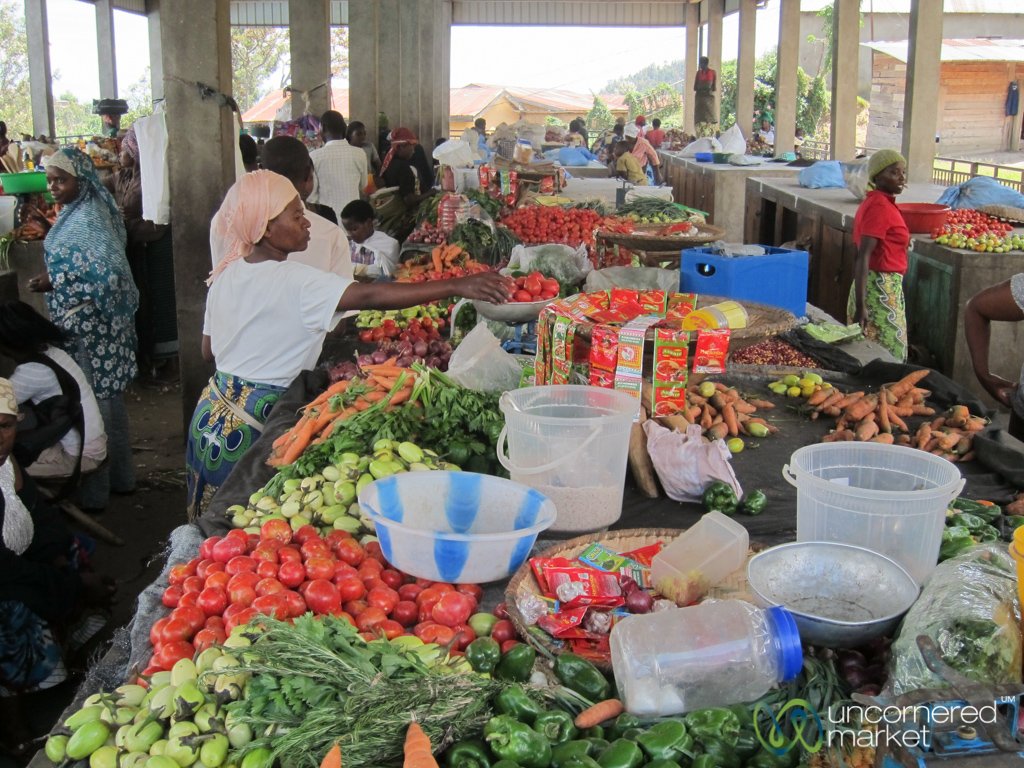
Kibuye food market, Rwanda.
Author’s Note: The insights and data in this article are drawn from a recent Lux Research report that specifically examined the United States consumer market between October 2024 and September 2025. However, the core behaviors, financial strategies, and cultural shifts identified offer universal value and can serve as a powerful blueprint for consumers in Africa looking to navigate local and global economic uncertainties.
As economic unpredictability deepens globally, the way we think about budgeting and living within our means is fundamentally changing. We are moving away from the idea that saving money requires constant sacrifice and compromise. Instead, an affordable life is increasingly defined as one where health, enjoyment, and stability are attainable through strategic, empowering choices.
If you are looking to take control of your finances and protect your household against inflation and rising costs, here are five innovative strategies to redefine affordability in your daily life:
1. Embrace Physical Ownership to Reclaim Financial Control
In an increasingly digital world, many consumers are finding that abstract spending methods—like digital payments and subscriptions—make it incredibly easy to lose track of rising costs. To combat this, there is a growing movement toward bringing money and value back into the physical world. For example, instead of paying endlessly for streaming subscriptions that frequently raise their prices or change their available content, consumers are returning to buying physical media (like DVDs) to save money and guarantee access to their favorite entertainment. Furthermore, true affordability means avoiding “buy now, pay later” services; while these may seem like a lifeline, they often lead to mounting debt and extra fees if repayment periods are extended or payments are missed.
2. Maximize Value Through Strategic Spending
Instead of settling for less because of inflation, consumers are focusing on calculated, well-timed purchases that keep their living standards intact. Eating affordably doesn’t have to mean eating plainly. You can elevate simple, low-cost meals by integrating just a few high-quality or seasonal ingredients, or by buying seasonal produce in bulk to freeze or ferment for later. Additionally, making a habit of comparing ingredients between name-brand and more affordable store-brand products allows you to maintain your standards while actively cutting grocery and pharmacy bills.
3. Cultivate Self-Sufficiency
Global supply chain disruptions and price fluctuations have highlighted the importance of protecting yourself from systems you cannot control. To stretch grocery budgets, consider growing some of your own food; whether that means planting a backyard vegetable garden, investing in indoor seed kits, or joining a community garden to learn from neighbors. Additionally, supporting local businesses, frequenting farmers’ markets, and choosing locally made goods can shield you from global supply chain vulnerabilities while bolstering your local economy.
4. Treat Your Health as Your Wealth
A major shift in affordability involves viewing a holistic, healthy lifestyle as a form of financial planning. The core belief is that investing in preventive health today will spare you from incredibly costly medical interventions in the future. This means combining nutritious eating with proactive mental and physical care. Seeking out low-intensity workouts—such as yoga or Tai chi—can provide the dual benefits of reducing stress and improving physical health, ultimately guarding against expensive stress-related or weight-related medical issues down the line.
5. Rethink Family and Community Living
The ideal of strict independence is shifting as consumers recognize the financial and emotional benefits of shared resources. By moving away from the “empty nest” ideal and embracing multigenerational living, families can spread household costs, pool caregiving responsibilities (such as childcare or caring for aging parents), and maintain financial stability. Even minor home upgrades, like adding slip-resistant rugs or shower chairs, can make a home safer for older generations, allowing families to stay together and support one another. For those who don’t live with relatives, moving to neighborhoods where people look out for one another and share resources serves as an essential extension of this family network.
By adopting these mindsets—focusing on self-sufficiency, maximizing value, prioritizing preventative health, and leaning on community—you can transform affordability from a source of daily stress into a strategy for long-term stability and empowerment.

SUBSCRIBE TO OUR NEWSLETTER