Musanze: Strategic Livestock Distribution Opens New Path in Fight Against Rural Poverty

MUSANZE, RWANDA — A targeted livestock distribution initiative is creating fresh hope for vulnerable families in Musanze District, where 35 cows have been allocated to households across three sectors under a joint intervention led by the Rwanda Environment Management Authority through the Volcanoes Community Resilience Project (VCRP).
The program, implemented in Nkotsi, Shingiro, and Kimonyi sectors, reflects a broader strategy that links poverty reduction, household resilience, and sustainable development by providing families with productive assets capable of generating long-term value.
Under the distribution, 13 cows were allocated to Nkotsi Sector, 12 to Shingiro, and 10 to Kimonyi. While the immediate impact is visible in the support offered to beneficiary households, the deeper significance lies in the economic opportunities these livestock create over time.

For many rural families, a cow represents more than livestock. It can become a source of regular income through milk production, improved family nutrition, organic manure for agriculture, and future herd growth through responsible management.
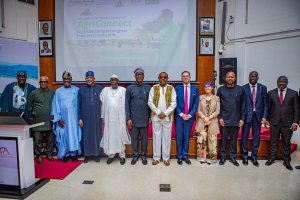
District leaders and project representatives emphasized that the initiative is designed not as temporary relief, but as a pathway toward self-reliance and lasting transformation. The handover ceremony was attended by local authorities alongside representatives from the Ministry of Environment and REMA, highlighting the importance of institutional collaboration in addressing grassroots socio-economic challenges.
Officials encouraged beneficiaries to prioritize proper care of the animals and to view them as long-term investments capable of strengthening household stability and improving quality of life.

They also underscored the importance of retaining and managing the livestock productively rather than seeking short-term gains, noting that the greatest value of the initiative will come through sustained productivity and careful reinvestment.
The intervention demonstrates how targeted development programs can generate impact when they combine practical support with a long-term vision. By empowering families with income-generating assets while reinforcing resilience at community level, the project contributes to Rwanda’s wider agenda of inclusive growth and poverty reduction.
In districts where livelihoods often depend heavily on agriculture and limited resources, such strategic support can create ripple effects that extend beyond individual households to the wider local economy.
As beneficiaries begin this new chapter, the cows symbolize more than assistance — they represent opportunity, dignity, and the possibility of lasting progress.

About The Author


SUBSCRIBE TO OUR NEWSLETTER