From Rwanda to Whole Africa: PABRA’s 30-Year Revolution Reshapes Food Systems

PABRA’s 30-Year Revolution Reshapes Food Systems
Thirty years after its roots were planted in Rwanda, the Pan-Africa Bean Research Alliance (PABRA) is emerging as far more than a bean research network: it has become a continental platform connecting science, farmers, schools, businesses and governments to tackle Africa’s biggest food-system challenges from malnutrition and low productivity to climate change, unemployment and growing demand for affordable food.
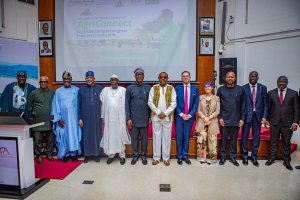
That transformation was at the centre of PABRA’s 30th anniversary celebrations held on the sidelines of the Africa Food Systems Forum in Kigali on Monday, where government officials, researchers, farmers and private-sector actors gathered to reflect on three decades of agricultural innovation and to chart a new course for the years ahead.
Today, about 150 million people across Africa regularly consume beans, making the crop one of the continent’s most important sources of food and nutrition. But PABRA’s achievement lies not simply in making beans available. Over three decades, the alliance has helped turn research into varieties, varieties into farms, farms into markets and markets into opportunities for millions of people.
Jean Claude Rubyogo, Director of PABRA and Global Bean Program Leader at the Alliance of Bioversity International and CIAT, said the alliance was born from a simple recognition that fragmented research efforts could not deliver the scale of transformation Africa needed.
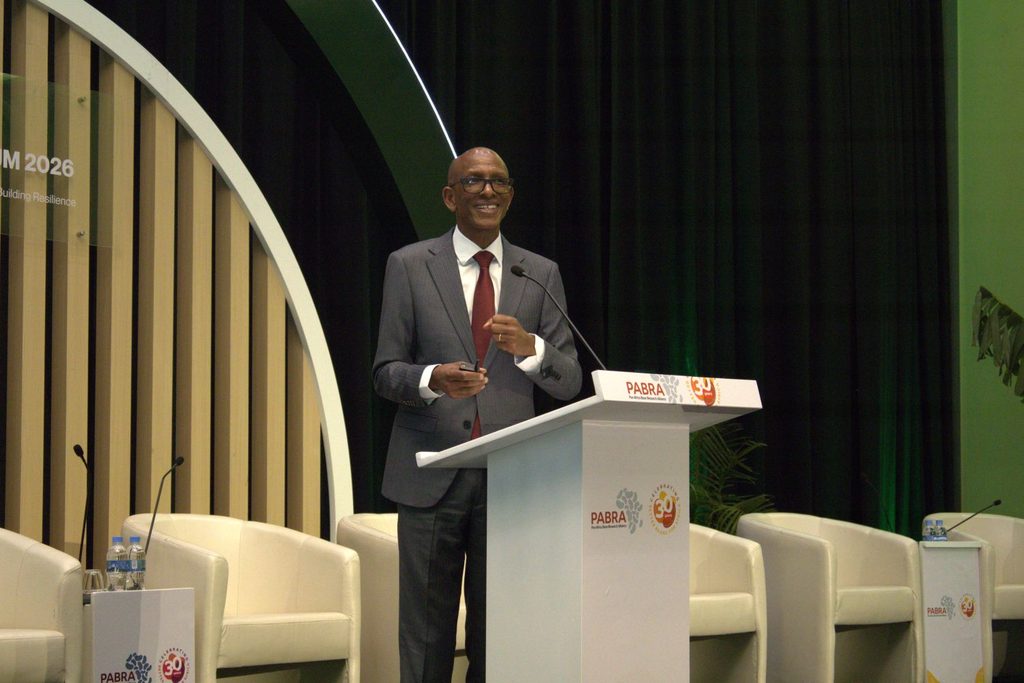
Jean Claude Rubyogo, Director of PABRA and Global Bean Program Leader at the Alliance of Bioversity International and CIAT
PABRA’s formal establishment dates back to 1996, but its foundations were laid even earlier through three regional bean research networks that had already been operating for almost a decade with support from the Swiss Agency for Development and Cooperation.
“Why don’t we come together?” Rubyogo recalled asking when the idea of greater regional collaboration emerged.
That question ultimately helped create a network that today operates across national borders and research systems.
“Today we have a strong network of national programmes working as one regional system,” Rubyogo said.”
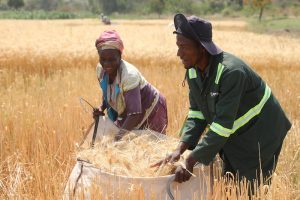
The results of that decision are reflected in the scale of innovation delivered over the past 30 years. PABRA has supported the release of 624 improved bean varieties that now reach more than 46 million farmers across Africa, with women accounting for 58 percent of those benefiting from the improved varieties.
But the transformation is also visible in Rwanda, where beans have become an important example of how agricultural research can move from national programmes to regional and continental impact.
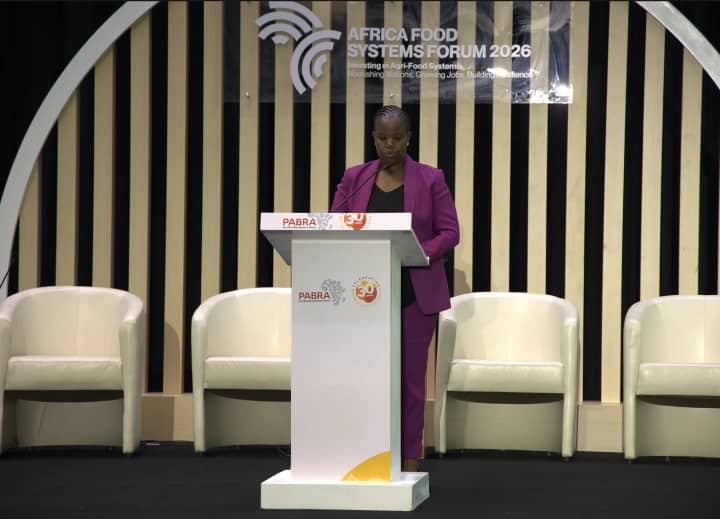
Florence Uwamahoro, Deputy director general of the Rwanda Agriculture and Animal Resources Development Board (RAB), said Rwanda has not only benefited from PABRA’s work but has also contributed varieties and knowledge to the wider African bean sector.
Varieties including RWR 2245, RWR 3194, RWR 2154 and RWR 1129 were bred in Rwanda and subsequently shared through PABRA’s regional networks for adoption in other countries.
With Rwandans consuming more than 100 grams of beans per person per day, Uwamahoro said the crop occupies a strategic place in the country’s food system.
“Investment in beans means investing in healthy populations, food security and economic well-being,” Uwamahoro said.
Rubyogo said Rwanda’s transformation in bean production is also reflected in the dramatic expansion of climbing beans. While climbing beans occupied only about five percent of the country’s bean-growing area in 1985, they now account for roughly 45 percent.
Several varieties developed in Rwanda have also travelled beyond the country’s borders, with six or seven now grown in countries including Tanzania, Uganda, Cameroon and Burundi.
The impact is not limited to production. A recent study cited by Rubyogo found that farmers adopting improved varieties reduced the number of days in a month when they went without beans in their meals by about 20 days—a result that illustrates the direct connection between agricultural innovation and household food security.
“When improved varieties reach farmers, the impact goes beyond higher yields; they can change what families eat and how secure those families are,” Rubyogo said.
The commercial side of that transformation is equally important. Juan Lucas Restrepo, director General of the Alliance of Bioversity International and CIAT, said the real significance of PABRA’s work should be measured by the opportunities created around the crop rather than by the crop itself.
“It is not about beans per se; it is about the economic opportunities they create,” Restrepo said.
Those opportunities include greater participation of women in business, new openings for young people and stronger connections between producers and expanding markets.
The experience of Rwandan entrepreneurs demonstrates how research can move into commercial reality. They said that PABRA and RAB’s Bean Programme influenced her professional journey from university and helped her company grow from supplying seed in eastern Rwanda to marketing across the country.
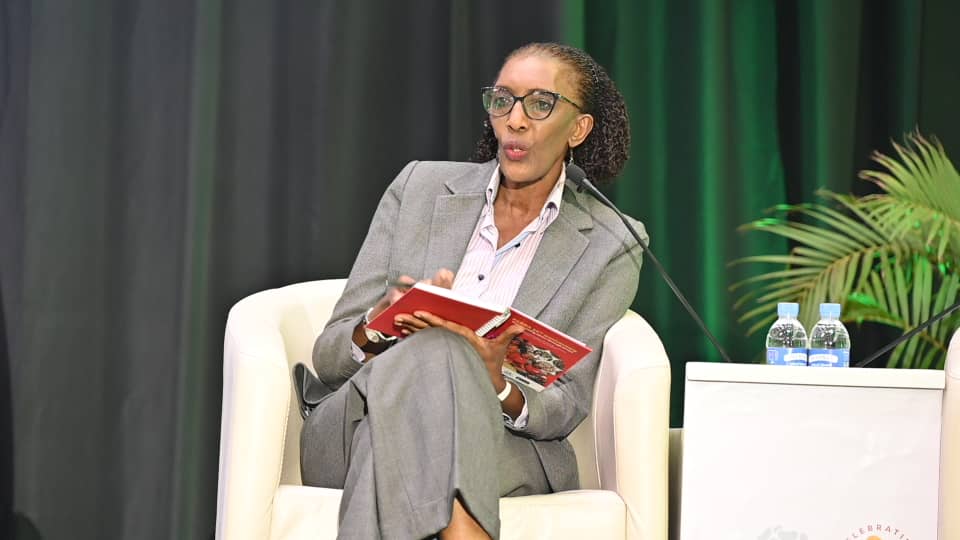
For Rose Kabuye, grain trader and bean off-taker who has worked in bean exports since 2020, market demand is increasingly rewarding beans that combine quality, productivity and faster cooking.
She said poor-quality grain remains a challenge, particularly in school feeding programmes where nutritional value is critical, and called for greater attention to post-harvest handling to ensure that quality is maintained from the farm to the consumer.
The connection between farms and classrooms was another major focus of the anniversary discussions.
Jean Damascène Nsengiyumva, director general of School Health and Wellness at Rwanda’s Ministry of Education, said the Scale Sustainable School Feeding Innovation Project is being implemented in 509 schools in Karongi, Nyamasheke and Rusizi districts, with an ambition to reach more than 445,000 schoolchildren.
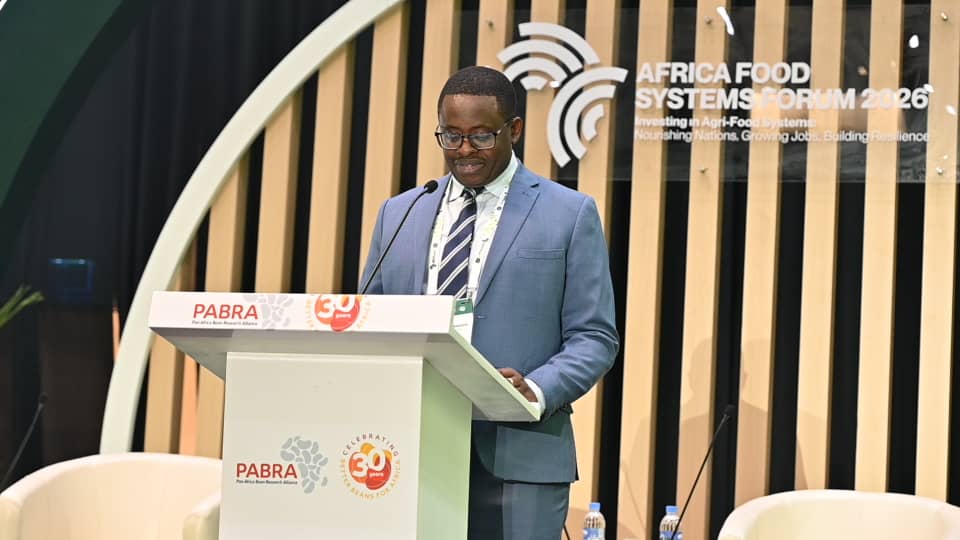
Dr. Olivier Kamana, Permanent Secretary at the Ministry of Agriculture and Animal Resources, said the approach supports Rwanda’s Agricultural Transformation agenda and called for continued investment in biofortified crops, school gardens and climate-smart agriculture.
The same approach is gaining importance across the region, with Rwanda, Kenya and Tanzania prioritising school feeding. Researchers have also developed bean varieties capable of reducing cooking time by around 30 percent, helping households save energy and reducing the time women spend preparing meals.
The economic impact of PABRA’s work is expanding alongside these nutrition gains. Its commodity-corridor model now covers about ten corridors across Eastern, Southern, Central and West Africa, involving roughly 200 enterprises within the bean system.
Eliud Birachi, project leader for markets and business fevelopment at the Alliance of Bioversity International and CIAT, said the model is designed to connect farmers with businesses and consumers while ensuring that research responds to market demand.
“Our commodity corridors are bringing research, farmers, businesses and markets closer together,” Birachi said.
The evidence of research-driven productivity gains is also substantial. In Ethiopia, nationally developed varieties have almost tripled yields compared with older varieties, while some yellow bean varieties popular in East Africa have doubled yields in certain locations.
The journey from research laboratory to farmer’s field has also become much faster. Rubyogo said the period between the release of a variety and its widespread adoption has fallen from about 10–15 years during PABRA’s early period to roughly three years today.
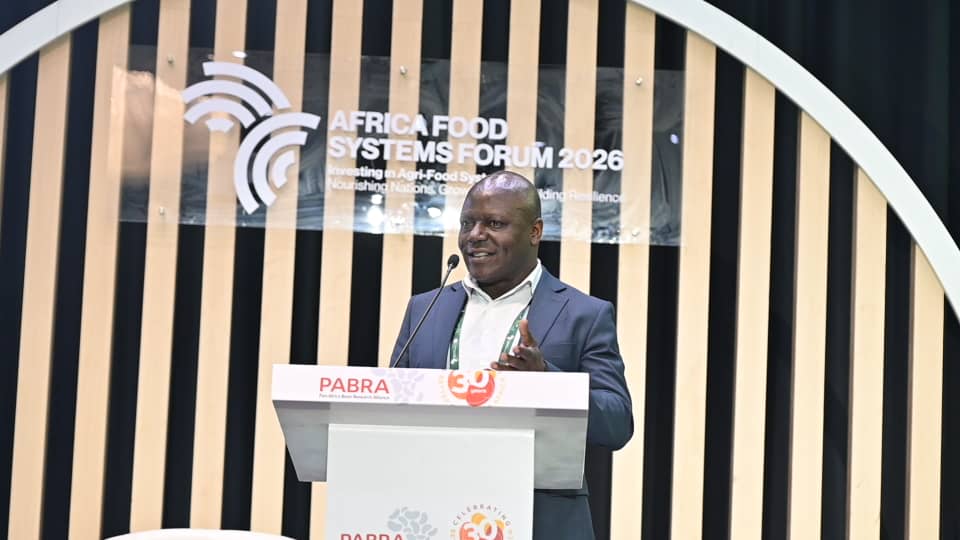
Eliud Birachi, project leader for markets and business fevelopment at the Alliance of Bioversity International and CIAT
Technology is creating additional economic opportunities. Mobile threshers introduced through PABRA partnerships with local artisans have reached about 152,000 smallholder farmers since 2018 and contributed to nearly 6,500 jobs.
In Ethiopia, bean exports have grown from approximately $8 million to more than $100 million annually, demonstrating how investment in agricultural research can eventually translate into significant commercial value.
Yet PABRA’s next challenge may be greater than anything it has faced during its first three decades.
Climate change is bringing rising temperatures and shifting rainfall patterns that threaten agricultural productivity, while Africa’s rapidly expanding cities are creating unprecedented demand for food that is nutritious, affordable and easy to prepare.
Africa’s urban transformation adds another layer of urgency. Cities such as Lagos and Kinshasa are expected to reach populations of tens of millions by 2050, increasing pressure on agricultural systems to produce enough food while keeping it affordable for growing urban populations.

PABRA is consequently preparing to take lessons from its bean revolution into a wider agricultural transformation. Discussions at the Kigali event explored how its demand-led, corridor-based model could be extended to other strategic crops, including groundnuts and sorghum.
The alliance also used the anniversary to look toward its next decade, with the launch of a new strategy for 2027–2037.
Organised by CGIAR through the Alliance of Bioversity International and CIAT on behalf of PABRA, the anniversary event brought together a partnership now involving more than 934 organisations and actors across 31 countries.
Three decades after its foundations were laid in Rwanda, PABRA’s biggest achievement may therefore be the system it has built around the bean: a system in which research is connected to farmers, farmers to markets, schools to agriculture, and agricultural innovation to jobs and nutrition.

About The Author


SUBSCRIBE TO OUR NEWSLETTER