Nyamasheke Communities Take Lead in Plans to Protect Karundura River Catchment
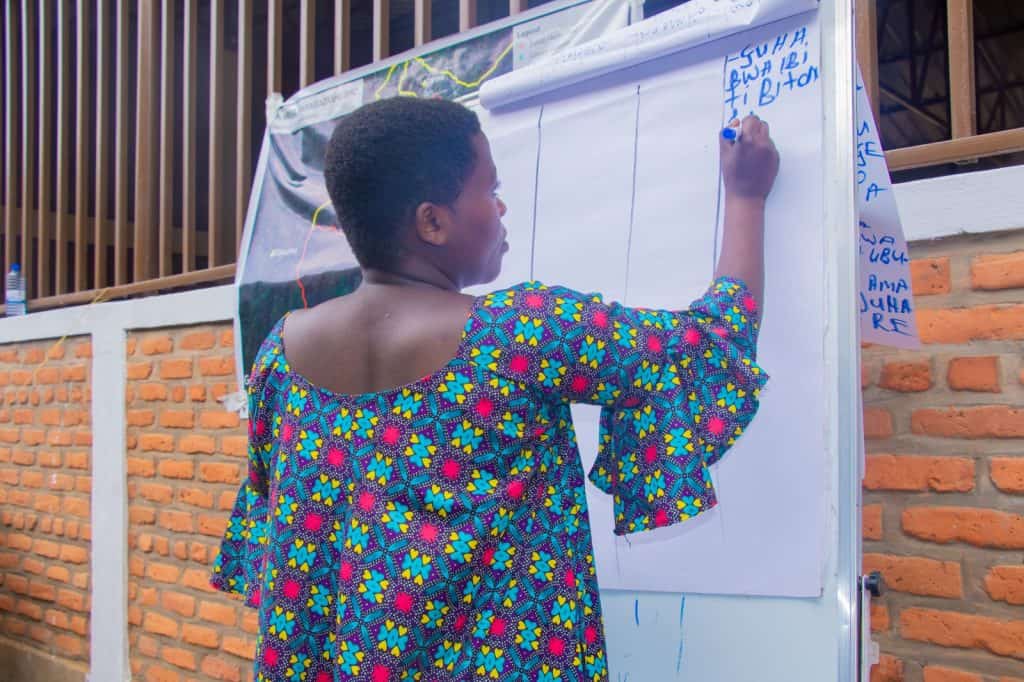
Village land-use planning initiative seeks to combat soil erosion, restore degraded land and strengthen sustainable agriculture through community participation.
NYAMASHEKE, Rwanda – Communities in Nyamasheke District are taking an active role in shaping land-use plans aimed at protecting the Karundura River catchment, addressing soil erosion and promoting sustainable management of natural resources.
The initiative, facilitated by the Rwanda Water Resources Board (RWB), places residents at the centre of decisions on how land should be managed, recognizing their knowledge of local environmental challenges and the impact of land degradation on their livelihoods.
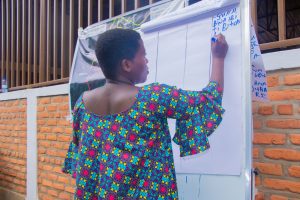
Through village-level consultations, residents are identifying environmental problems affecting their communities, explaining how these challenges influence agricultural activities and proposing practical interventions to address them.
The participatory process forms part of efforts to develop Village Land Use Action Plans (VLUAPs), which are expected to guide conservation activities and promote sustainable land management while protecting water resources.
One of the major challenges identified by residents is soil erosion, which threatens agricultural productivity, reduces soil quality and accelerates environmental degradation.
To address the problem, community members have identified progressive terraces as one of the practical measures that could help control soil erosion, conserve farmland and improve the sustainable use of agricultural land.
Other interventions will be informed by the environmental challenges and land-use priorities identified during community consultations.
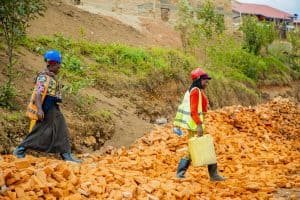
Beyond participating in the planning process, residents are also expected to contribute to implementing the proposed interventions. They will receive capacity-building support to strengthen their ability to protect land resources, maintain conservation practices and use their land productively.
The approach seeks to ensure that communities are not simply recipients of environmental projects but active partners in identifying problems, proposing solutions and sustaining conservation activities.
By involving residents from the planning stage through implementation, the initiative is expected to strengthen local ownership and increase the likelihood that restoration measures will respond to the actual needs of communities.
28 villages targeted in two districts
The Karundura River catchment initiative is part of a broader programme facilitated by RWB to develop 100 Village Land Use Action Plans, with support from the Rwanda Green Fund (RGF) through the INTEGO Facility Project.
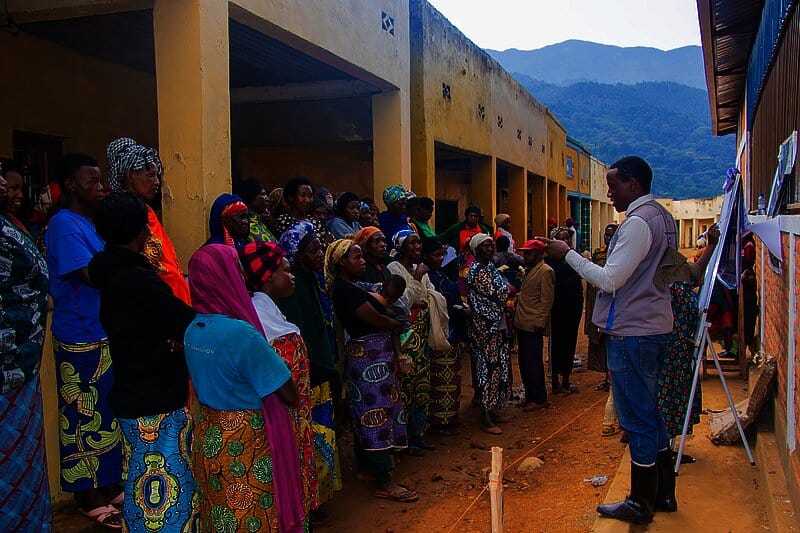
The current intervention covers 28 villages across Nyamasheke and Nyaruguru districts.
In Nyamasheke, 20 villages located in the Karundura sub-catchment are included in the planning process, while eight villages in the Agatobwe sub-catchment in Nyaruguru District are also targeted.
The plans are intended to identify land-use challenges and prioritize appropriate restoration interventions, including erosion control structures, soil and water conservation measures and suitable agroforestry models.
These interventions are expected to contribute to improved catchment management, protection of water resources and stronger resilience among communities whose livelihoods depend heavily on agriculture and natural resources.
Connecting environmental protection with livelihoods
The initiative highlights the importance of integrating environmental conservation with the economic realities of rural communities.
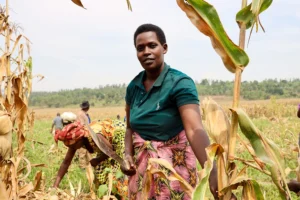
For farmers in the Karundura catchment, soil erosion and land degradation are not only environmental concerns but also direct threats to agricultural productivity and household livelihoods.
Promoting progressive terraces, appropriate agroforestry and other soil conservation practices could help protect agricultural land while supporting more sustainable farming systems.
Community involvement is therefore central to ensuring that proposed interventions are practical, locally relevant and maintained beyond the initial implementation of the project.
As Rwanda continues to pursue sustainable natural resource management and landscape restoration, village-level land-use planning offers an opportunity to connect national environmental priorities with the everyday experiences and decisions of rural communities.
The success of the initiative will ultimately depend on translating the priorities identified by residents into effective conservation measures that protect the Karundura River catchment, sustain agricultural land and safeguard natural resources for future generations.
About The Author


SUBSCRIBE TO OUR NEWSLETTER