TAAT Model Gains Prominence as Africa Explores the Next Phase of Food Systems Pathway
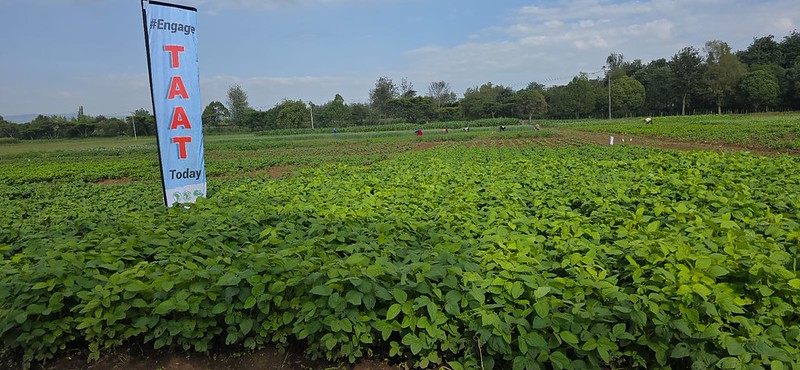
Kigali, Rwanda — As the African Food Systems Forum (AFSF) 2026 opens in Kigali, the Technologies for African Agricultural Transformation (TAAT) programme will be front and centre in two high-level events shaping how Africa invests in agriculture for the years ahead — one looking back at what worked during the continent’s most recent food security emergency, and one looking forward at how to scale proven science through the world’s development finance institutions.
Turning an Emergency Response into a Model for the Future
Africa’s food systems have absorbed shock after shock in recent years — the COVID-19 pandemic, climate change, conflict, the disruption of the Russia-Ukraine war, and, most recently, the closure of the Strait of Hormuz, which sent food, fuel, and fertiliser costs climbing across the continent.
When the Russia-Ukraine conflict cut off roughly 30 million metric tons of cereal supplies from the Black Sea region, the African Development Bank moved quickly, launching the USD 1.5 billion African Emergency Food Production Facility (AEFPF). Across 35 countries, the Facility pushed out improved seed systems, expanded fertiliser access, deployed technology, reformed policy, and built new partnerships — with TAAT technologies forming the backbone of the response.
The results speak for themselves: more than 45 million metric tons of food produced, over 406,000 metric tons of certified seed and 2.9 million metric tons of fertiliser distributed, and close to 15 million farmers reached — 38.8% of them women.
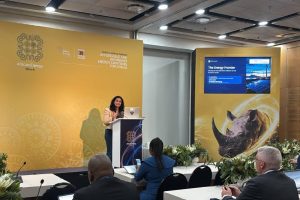
On 2 September, a High-Level Side Event at the Kigali Conference Centre will unpack what made that possible and what it means for the future.
Titled From Emergency Responses to Food Systems Resilience: Lessons Learned from the AEFPF for Africa’s Next Generation of Agricultural Investments, the session brings together ministries of agriculture, national research systems, development partners, CGIAR centres, the private sector, financial institutions, and farmer and youth organizations to examine how the Facility’s approach — grounded in TAAT’s proven technologies — can be built into national investment programmes rather than reserved for the next crisis.
Discussions will focus on scaling what worked, strengthening the partnerships that enabled rapid deployment, and building the monitoring and evaluation systems that will let a technology-driven response outlast the emergency that triggered it.
The goal is a shared roadmap — one that treats resilience as something to invest in now, not just respond to later.
From Science to Scale: TAAT’s Blueprint for Development Finance
The following day, 3 September, TAAT’s model moves to the centre of a different conversation: how to get proven agricultural science into the hands of the international financial institutions that fund large-scale transformation.
CGIAR Scaling in Food Systems: Capital, Science, Partners brings leaders from international financial institutions, governments, and development partners into direct dialogue about what it actually takes to move innovation from the research station to a national investment programme.
The African Development Bank–CGIAR partnership behind TAAT is one of the session’s central case studies, alongside the Islamic Development Bank–CGIAR partnership — both offered as proof that long-term collaboration between science and finance isn’t just possible, it’s replicable.
The session will make the case that the architecture for scaling already exists. Through mechanisms such as the ADB–CGIAR Clearinghouse Facility, CGIAR has shown it can help identify, validate, and package proven innovations, strengthen investment design, and remain engaged throughout implementation.
TAAT is the clearest demonstration of that architecture at work — and the discussion will explore how to extend it to more institutions and more countries, with catalytic support from partners like the Gates Foundation, the International Fund for Agricultural Development, and the Islamic Development Bank helping to de-risk adoption and unlock larger investment.
A Continuous Thread
Together, the two sessions tell a single story: TAAT’s technologies didn’t just help Africa respond to a food security crisis — they demonstrated a model for how proven science, strong partnerships, and development finance can work together at scale.
As AFSF 2026 brings together the continent’s agricultural leadership in Kigali, TAAT’s track record — from emergency response to long-term investment architecture — offers a clear answer to the question the Forum keeps returning to: how does Africa build food systems that don’t just survive the next shock but are ready for it?
About The Author


SUBSCRIBE TO OUR NEWSLETTER